


(Understanding lingering symptoms, rehab tips, and where to find trusted help)
Millions of people around the world continue to live with persistent symptoms after acute SARS-CoV-2 infection. Whether you call it Long COVID, post-COVID condition, or simply “still not right after COVID,” the experience can be bewildering, disruptive and isolating. This evidence-based, practical guide brings together the latest 2024–2025 data from global and national health authorities (US, UK, WHO), explains common symptoms, and gives clear rehabilitation tips, simple daily hacks and trusted places to turn for help — including peer-support networks.
You’ll also find an easy 7-step plan (with pacing, breathing, and cognitive strategies) you can start today, plus links to government-authorised resources for further reading.
Quick reality check: how big is the problem in 2025?
- Globally, the WHO estimates around 6 in 100 people who had COVID-19 may develop a post-COVID-19 condition (Long COVID). This suggests millions worldwide remain affected. (World Health Organization)
- United States: recent national analyses estimate roughly 6.4% of non-institutionalised U.S. adults reported current Long COVID in 2023 (about 1 in 16 adults), with regional variation. The CDC continues active surveillance and public-health work on Long COVID. (PMC, CDC)
- United Kingdom: survey data and ONS analyses show around 3–4% of people in England and Scotland report ongoing Long COVID symptoms in some recent waves; roughly 1.8–3.3% are commonly cited ranges depending on the study and timepoint. Many report symptoms lasting a year or longer. (Office for National Statistics, University of Oxford)
Bottom line: Long COVID is a common, global public-health issue in the 2025 covid landscape. The precise prevalence varies by study, time-period and case definition, but the human impact is unmistakable. (PMC)
What is Long COVID (plain language)?
Health authorities define Long COVID (post-COVID-19 condition) as new, returning or ongoing symptoms that appear or persist three months or more after the first COVID-19 infection and last at least two months, cannot be explained by another diagnosis, and affect everyday life. Common symptom clusters include fatigue, breathlessness, cognitive dysfunction (“brain fog”), pain, and mental-health problems. (World Health Organization, CDC)
A major systematic review found that the most common symptom subtypes are respiratory (~20%), general fatigue (~20%), psychological (~18%) and neurological (~16%), although many people experience overlapping symptoms. (PMC)

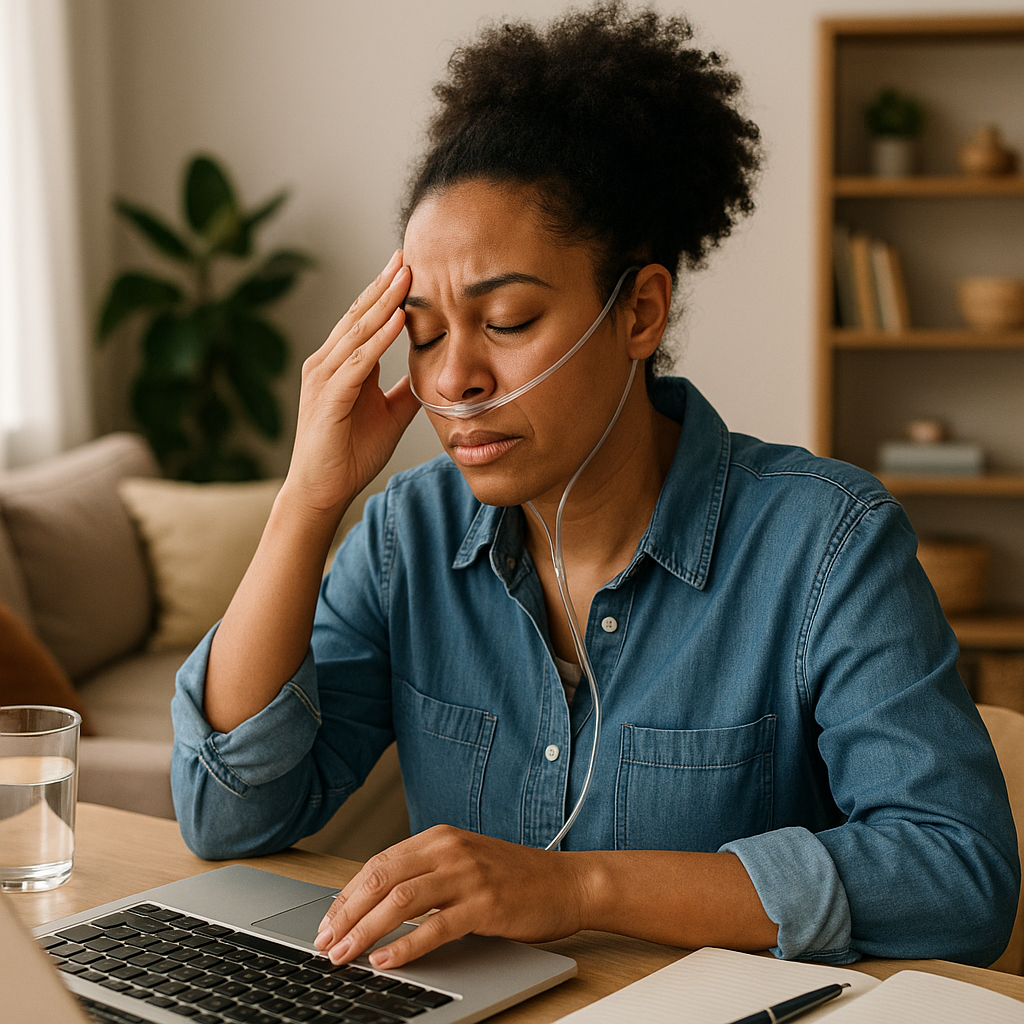
Why some people get Long COVID (simplified)
Researchers are still untangling causes. Current hypotheses include:
- persistence of viral fragments driving low-level inflammation,
- immune-system dysregulation or autoimmunity,
- organ damage from the initial illness (lungs, heart, brain), and
- deconditioning or post-viral fatigue mechanisms.
Vaccination and preventing severe acute illness remain the best tools to reduce Long COVID risk, according to public-health agencies. (CDC, World Health Organization)
Common symptoms to watch for (so you can get help earlier)
Symptoms vary, come and go, and affect people differently. Typical clusters include:
- Severe fatigue or post-exertional symptom exacerbation (PESE / PEM)
- Breathlessness or reduced exercise tolerance
- Cognitive problems — memory lapses, concentration issues, “brain fog”
- Chest pain, palpitations (sometimes related to autonomic dysfunction)
- Muscle and joint pain
- Sleep disturbance and mood changes
- Headaches, dizziness, smell/taste changes
If symptoms substantially limit your daily life for weeks or months after infection, discuss them with your GP or primary healthcare provider. NHS and CDC pages offer clinical overviews and referral advice. (nhs.uk, CDC)
7 Practical, evidence-based steps to live better with Long COVID (start today)
These are practical actions used by clinicians, rehab specialists and patient groups worldwide. They’re designed to be safe, scalable and low-cost.
1) Learn and apply pacing (the single most impactful self-strategy)
Many people with Long COVID experience PEM — a delayed worsening of symptoms after activity. Pacing means balancing activity and rest to avoid crashes:
- Keep a daily symptom/activity diary (energy envelope).
- Break tasks into short, manageable chunks (e.g., 10–15 minutes), and intersperse rest.
- Use “activity stacking”: do only the most important tasks on higher-energy days.
Pacing prevents setbacks, helps preserve function and is recommended by specialist clinics. (CDC)
2) Start gentle graded rehabilitation — only if tolerated
If breathlessness and deconditioning are limiting you and you don’t have significant PEM, carefully introduced graded activity (short walks, seated strengthening) can help rebuild function. Always:
- Start very low (one minute of light activity), monitor symptoms, and progress slowly.
- If symptoms worsen substantially after activity, stop and revert to pacing.
Physiotherapists experienced in post-viral rehab guide personalized plans. (CDC)
3) Prioritise sleep, mental health and stress reduction
Improve sleep hygiene (regular schedule, wind-down routine). Psychological support (CBT, trauma-informed therapy, peer groups) can reduce distress and improve coping — many services now include mental-health pathways. Mindfulness, breathwork and gentle relaxation exercises are helpful adjuncts. (CDC)
4) Use breathing and cardiopulmonary strategies for breathlessness
- Pursed-lip breathing and diaphragmatic (belly) breathing can ease breathlessness.
- Practice short breathing retraining sessions 2–3× daily (guided apps or physio).
- For persistent breathlessness, ask your clinician about a chest X-ray, spirometry or specialist referral. (CDC)
5) Manage cognition (“brain fog”) with micro-tasks and tools
- Break cognitive tasks into short segments and use reminders/notes.
- Use “external memory aids” (phone alarms, lists).
- Reintroduce complex tasks gradually; allow longer time for concentration.
Cognitive rehabilitation with a neuropsychologist can help when symptoms are severe.
6) Nutrition, hydration and gradual strengthening
- Eat balanced meals to support recovery; ensure adequate protein and micronutrients (avoid crash diets).
- Rebuild strength with short resistance exercises (theraband or bodyweight) as tolerated.
- Consider referral to a dietitian for weight loss or malnutrition concerns.
7) Connect with peer support & specialist clinics
Peer groups reduce isolation and provide practical tips. Many countries now offer post-COVID clinics (NHS has commissioning guidance; the CDC provides clinic directories and resources). Specialist multidisciplinary teams (med, physio, OT, psych) can assess complex cases. (NHS England, CDC)

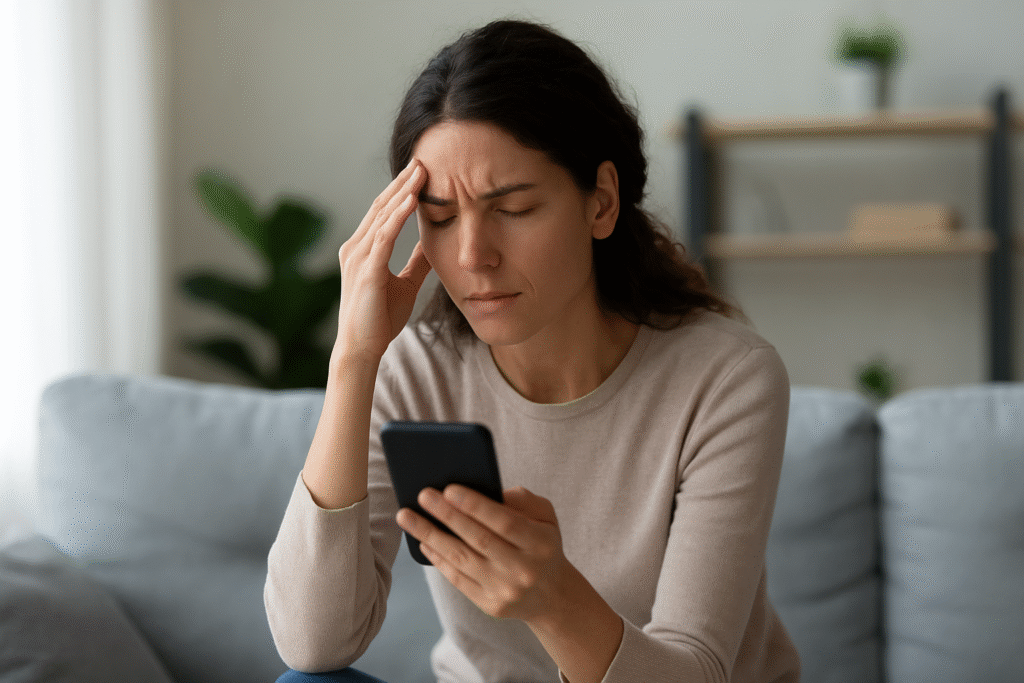
Simple hacks you can use every day (fast wins)
- Energy bank: do one meaningful thing per day (shower, short walk) and rest after.
- Micro-tasks: set 10–15-minute timers; stop when timer ends.
- Buddy system: ask a friend/family member to check in and help with tasks on low-energy days.
- Symptom calendar: track triggers (food, heat, exertion) to identify patterns.
- Medication checklist: maintain an up-to-date list for providers; some meds (e.g., antihistamines) can worsen fatigue — discuss side effects with clinicians.
Rehabilitation therapies and when to escalate care
If simple measures don’t help, consider escalation:
- Multidisciplinary rehab (physio, OT, speech & language therapy, psychology) for substantial functional impairment.
- Cardiology or autonomic testing if palpitations, syncope or orthostatic intolerance are present.
- Pulmonary clinics if persistent breathlessness or abnormal lung tests.
Referral criteria and commissioning guidance are available for NHS services and CDC clinical overviews explain when to seek specialist input. (NHS England, CDC)
Emerging treatments and the research horizon (what to expect in 2025)
Research into antivirals, immunomodulators and targeted rehabilitation continues. While no single “cure” exists yet, trials are under way globally to test therapies and better define subtypes of Long COVID. Health agencies stress vaccination, early acute-phase care and evidence-based rehab as mainstays while research progresses. (CDC, PMC)
Peer support & community resources (where others found help)
Peer networks can be invaluable for practical coping strategies, emotional support and navigating services. Examples:
- Patient-led online groups (search for Long COVID / post-COVID support in your country)
- Local NHS or health-system peer programs (UK: local post-COVID services often include group support).
When joining groups, look for moderated communities that share evidence-based advice and signpost official services.
How employers, schools and families can help
Practical workplace adjustments often make a big difference:
- Flexible hours, reduced workloads, gradual return-to-work plans, and permission for rest breaks.
- Educate managers and colleagues so workplace stigma is reduced.
Schools and universities should offer adjusted workloads, extra time for exams and hybrid attendance options for students recovering from COVID.
Quick FAQ
Q: Is Long COVID the same as chronic fatigue syndrome (ME/CFS)?
A: They overlap in symptoms like fatigue and PEM, but Long COVID may have different triggers and biological markers. Care pathways often share approaches (pacing, symptom management). Research is ongoing.
Q: Will I recover fully?
A: Many people improve over months; some recover fully, others take longer. Early pacing and tailored rehab increase the chance of meaningful recovery.
Q: Does vaccination help Long COVID?
A: Vaccination reduces the risk of developing Long COVID by lowering the risk of severe acute infection and appears to reduce risk overall. Agencies recommend staying updated with COVID vaccines. (CDC)
Trusted official resources (click to open)
- CDC — Science & Public Health Approach to Long COVID (US): https://www.cdc.gov/long-covid/php/scientific-approach/index.html. (CDC)
- CDC — Clinical Overview & Patient Resources: https://www.cdc.gov/long-covid/hcp/clinical-overview/index.html. (CDC)
- NHS — Long COVID (post-COVID syndrome) overview & services (UK): https://www.nhs.uk/conditions/post-covid-syndrome-long-covid/. (nhs.uk)
- NHS England — Commissioning guidance for post-COVID services (adults & children): https://www.england.nhs.uk/long-read/commissioning-guidance-for-post-covid-services-for-adults-children-and-young-people/. (NHS England)
- WHO — Post-COVID-19 condition (fact sheet & guidance): https://www.who.int/news-room/fact-sheets/detail/post-covid-19-condition-(long-covid). (World Health Organization)
Final notes: practical priorities for the 2025 covid era
- Treat Long COVID as a real, multi-system condition — not only a personal failing.
- Start with pacing and gentle symptom management before intensive rehab.
- Seek a multidisciplinary assessment when symptoms limit daily life.
- Use trusted government resources (CDC, NHS, WHO) and local post-COVID clinics for assessment and referrals.
- Join peer groups for practical tips and emotional support — connection matters.
Long COVID is complex, but there are clear, practical steps that help many people regain function and quality of life. If you or someone you love is struggling, take one small step today — track symptoms, try pacing and contact your healthcare provider for next steps.
Disclaimer
This article is for informational purposes only and does not replace professional medical advice. Always consult your healthcare provider before starting rehabilitation or making changes to treatment. Links above lead to official public-health agencies (CDC, NHS, WHO) and were valid at the time of publication. All images used in this article are royalty‑free or licensed for commercial use and are provided here for illustrative purposes.