


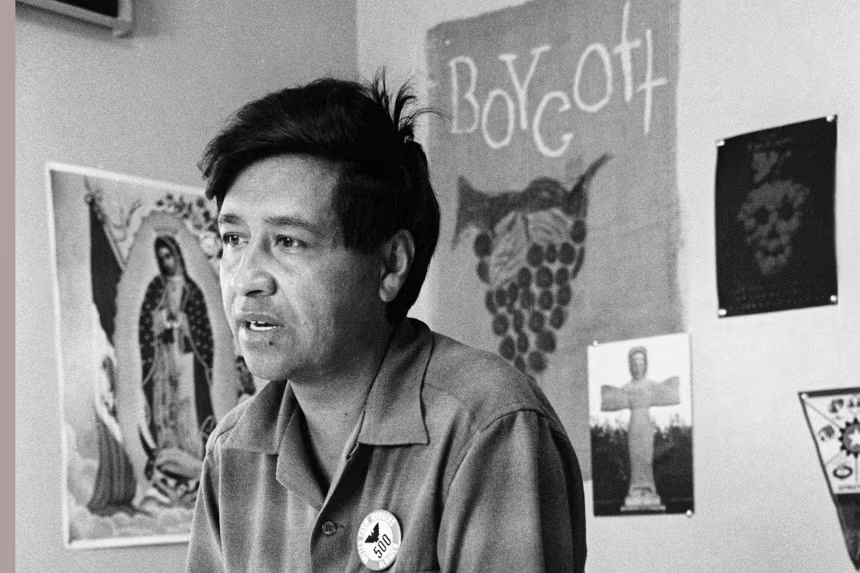
Key points
- New investigative reporting has surfaced historic sexual-abuse claims tied to Cesar Chavez and prompted cancellations of celebrations nationwide.
- Dolores Huerta has publicly said she was abused and is urging support for survivors while calling for movement-first accountability.
- The United Farm Workers and Cesar Chavez Foundation have paused formal events and are creating confidential reporting channels.
- Cities, colleges and unions are re-evaluating how (and whether) to mark Cesar Chavez Day on March 31.
- This is a live story with legal, moral and historical dimensions — communities are choosing to prioritize listening to survivors now.
A wave of reporting published in March 2026 has reignited debate about a complex legacy: Chavez is celebrated as a founder of farmworker organizing, yet new allegations now claim he sexually abused young women and minors during his leadership.
Cesar Chavez allegations 2026: Those allegations prompted immediate institutional responses: unions and foundations connected to the farmworker movement announced cancellations or retooling of events scheduled for Cesar Chavez Day. Many said they lacked direct eyewitness reports but felt the claims required serious, survivor-centered responses.
Dolores Huerta — long a public partner in farmworker organizing — broke her decades-long silence this week, saying she had been sexually abused by Chavez in the 1960s and that she had kept quiet to protect the movement. Her statement reframes the conversation and has influenced organizers’ decisions.

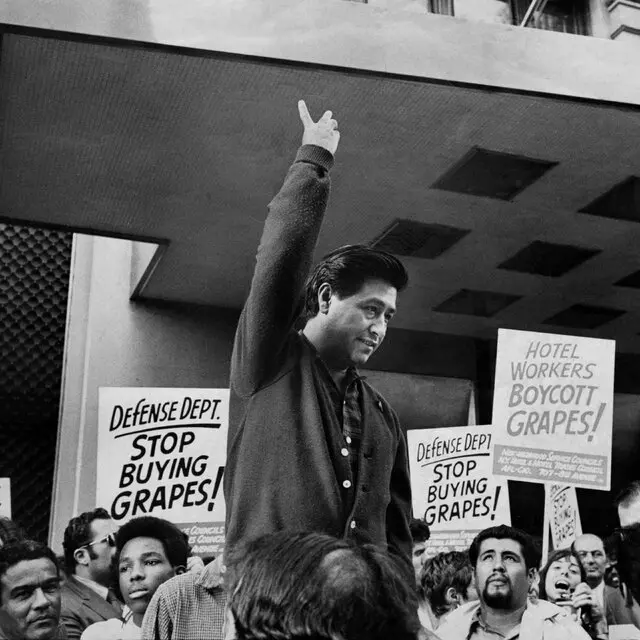
Across the country, local marches, campus commemorations and institutional observances have been canceled or shifted to service-oriented activities while organizations set up confidential ways for possible victims to share testimony. This pattern shows how groups are balancing historical memory with immediate support for survivors.
For communities that have long honored Chavez, the situation raises practical questions: how should commemorations proceed, who decides, and what role do survivor processes play in reshaping legacy narratives? Public institutions from colleges to city governments are already reconsidering official honors.
What survivors and advocates are asking for now is a survivor-centered approach: independent reporting channels, confidentiality protections, trauma-informed outreach, and transparent processes that do not retraumatize. Several organizations have pledged to create confidential mechanisms to gather accounts and begin accountability work.
How this affects political and cultural recognition is uncertain. Chavez’s work for farmworker labor rights is historically significant, yet recognition and honors can be paused or reframed when credible harm allegations surface. The focus for many leaders is to separate the movement’s mission from any individual’s actions.
What to watch next
- Independent investigations or survivor disclosures that add corroboration or new details.
- Official responses from the Cesar Chavez Foundation, the UFW, municipal governments, and educational institutions.
- How survivors’ requests for confidentiality and reparative processes are implemented.
Why this matters nationally
This moment is a case study in how societies handle complicated histories: achievements that materially improved people’s lives versus credible allegations of harm by prominent figures. The balance many institutions are striking is short-term pause plus survivor outreach, with long-term conversations about commemoration and accountability to follow.
What we don’t yet know
Key investigative and legal questions remain unresolved: corroboration of claims, the scope of alleged misconduct, who may have enabled it, and what formal processes — if any — will be used to collect testimony and recommend remedies. Responsible coverage and institutional restraint are essential until clearer facts emerge.
Disclaimer
This article aims to report recent developments and provide context for readers. It includes emerging allegations that are subject to further investigation and verification. If you have relevant information or need support, please contact local survivor services or organizations offering confidential assistance.