


Key points
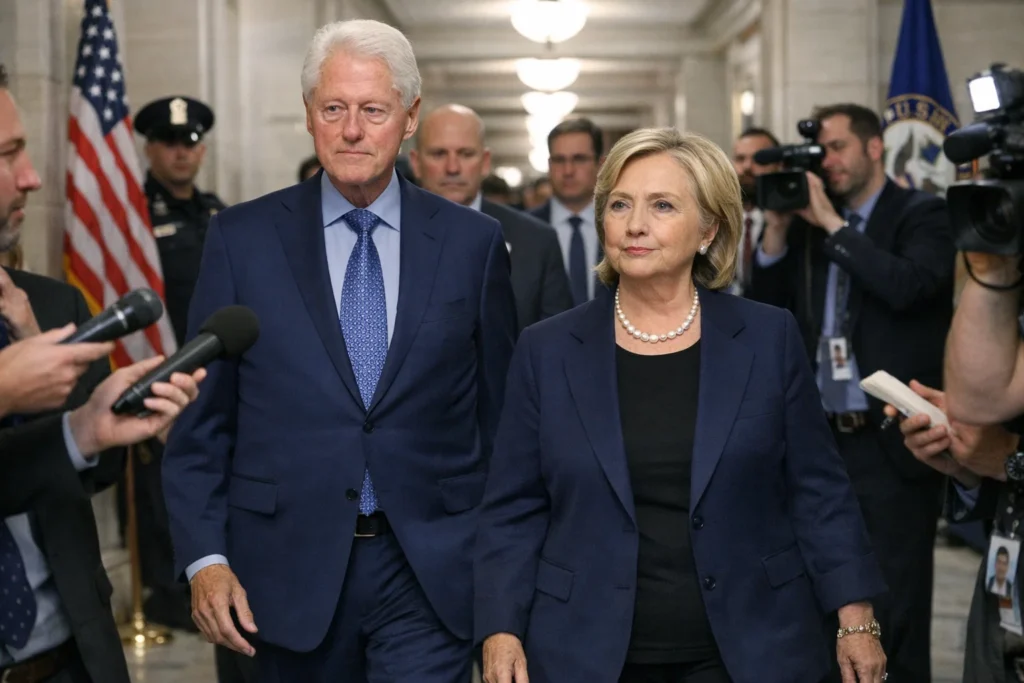
- Former President Bill Clinton and former Secretary of State Hillary Clinton have agreed to testify in the House’s Jeffrey Epstein investigation as a looming contempt-of-Congress vote approaches.
- The agreement comes after the House Oversight Committee advanced contempt measures for both Clintons when they previously refused subpoenas, calling the probe politically motivated.
- Committee Republicans say the move could head off a historic contempt vote, but leaders emphasize details — dates, format, and scope — still need to be finalized.
- The decision follows renewed attention to Epstein after large DOJ document releases and has sharpened partisan lines on Capitol Hill.
What changed: Clintons Agree to Testify on Epstein
The Clintons declined earlier interview requests and criticized the committee as partisan, prompting the panel to advance contempt resolutions in January.
Late Monday the Clintons’ camp told House staff they would appear to give testimony, an offer that may avert or delay a floor vote to hold them in contempt.
Why the committee pushed contempt measures
Republican investigators have pressed for sworn answers about the Clintons’ ties to Epstein, citing flight logs and social ties.
Oversight leaders argued subpoenas were necessary after limited cooperation and what they called incomplete responses.
What the Clintons say (their position)
The Clintons’ lawyers previously called the subpoenas politically motivated and argued the committee’s approach lacked legitimacy.
Their offer to testify now reflects what aides called a willingness to cooperate on mutually agreed terms — but the parties must still settle specifics.
Why this matters: precedent and politics
Holding a former president in contempt of Congress would be extraordinary; the move has legal, political and historical implications.
For Democrats the proceedings look like political theater; for Republicans they are positioned as oversight of high-profile connections revealed in the Epstein records.

What to watch next (concise checklist)
- Whether the committee withdraws the contempt resolution if and when testimony dates are set.
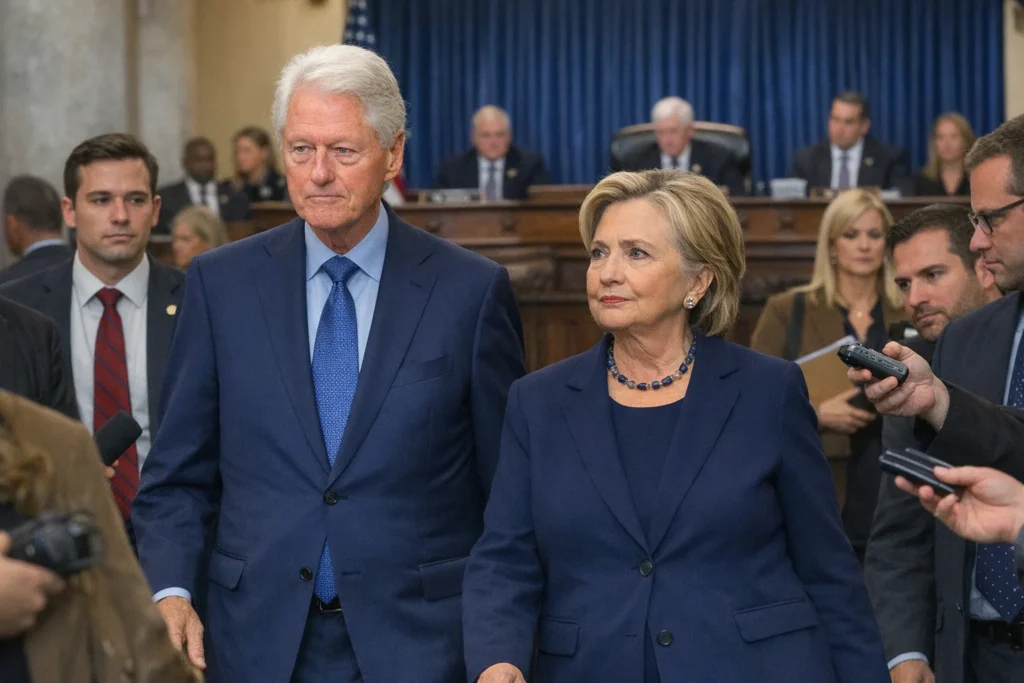
- The format of testimony — in-person depositions, transcribed interviews, or sworn declarations — and how those choices affect the committee’s leverage.
- Any new documents or DOJ disclosures that prompted renewed urgency in the panel’s requests.
Quick FAQ — short answers readers want
Are the Clintons accused of crimes in the Epstein probe?
No public filings charge the Clintons with crimes; the panel seeks testimony and documents as part of oversight.
Would a contempt vote lead to criminal prosecution?
A House contempt referral sends the matter to the U.S. attorney’s office, which could pursue charges — but prosecution is not automatic and would face legal hurdles.
Does agreeing to testify mean the Clintons were cooperative all along?
Not necessarily — the committee says earlier offers were insufficient; the new agreement reflects ongoing negotiations about scope and timing.
Reporting responsibly — what to keep in mind
A name or appearance in Epstein-related files is not a legal finding; documents can include unverified tips, social notes and mundane references.
Coverage should prioritize primary sources (court filings, committee records, DOJ statements) and avoid equating presence in files with criminal culpability.
Should the Clintons be held in contempt if they delay or limit testimony?
Bottom line
The Clintons’ agreement to testify shifts a high-stakes standoff into negotiation territory, but it does not end the political tug-of-war over the Epstein files.
How Congress frames testimony and how prosecutors respond to any contempt referral will shape this chapter of the Epstein saga.
Disclaimer: This article summarizes contemporaneous reporting as of February 2026. It is informational and does not assert legal guilt; readers should consult committee records and official filings for authoritative documents.