


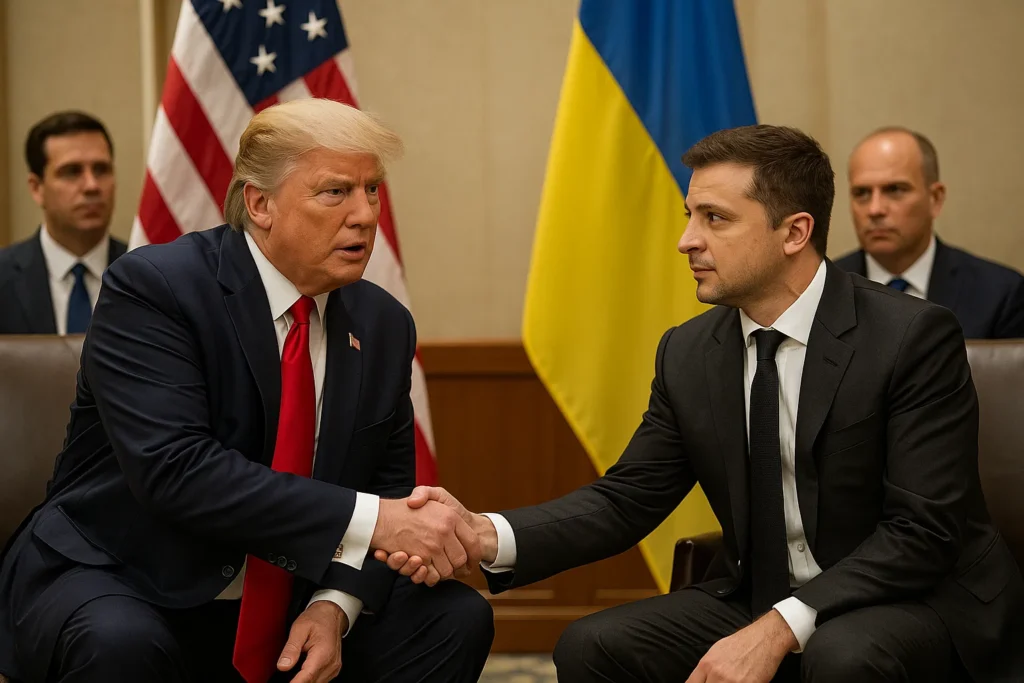
Snapshot — Did Ukraine really agree on Peace Plan
U.S. and Ukrainian officials say Kyiv has accepted the core terms of an updated U.S. peace framework; only a few “minor details” reportedly remain.
The White House described talks in Geneva as “constructive,” while Reuters and other outlets caution that sensitive items — and Moscow’s willingness to sign — are still unresolved.
Diplomacy is happening even as lethal strikes continue across Ukraine and the border regions, underlining how fragile any deal would be.
1) What’s in the picture right now — short version
U.S. and Ukrainian delegates met this week in Geneva to revise an earlier 28-point proposal into a shorter, more Kyiv-friendly framework.
Officials say Ukraine agreed to the “essence” of the updated plan; U.S. sources told CBS News Kyiv has agreed to a deal with only minor details left.
That is a big diplomatic development — but not a final peace treaty. The plan still needs Russian buy-in and international agreement on verification, security guarantees and restoration of borders.
Reporting emphasizes that wording and implementation details will decide whether the framework can survive political and battlefield realities.
2) Who’s doing what — the U.S. role and the Secretary of State
The United States has been the chief broker of these talks, with its diplomats and envoys drafting, shuttling and refining language among Kyiv, Moscow and allied capitals.
Secretary of State Marco Rubio led public briefings and closed consultations in Geneva, stressing that the outstanding issues are “delicate” but not insurmountable.
Rubio’s public posture — pressing for a deal while insisting it must respect Ukraine’s sovereignty — reflects the administration’s effort to balance pragmatic diplomacy with political limits.
That balance matters because any U.S. signal affects European allies’ willingness to commit forces or monitors in a post-deal security arrangement.
3) CBS News’ role — what they reported and why it matters
CBS News reported that a U.S. official said Ukraine had “agreed to the peace deal” with only small items left to sort out, a line that quickly circulated in international media.
Why this matters: when a major U.S. outlet reports Kyiv’s acceptance, it raises immediate expectations of rapid moves — including a possible visit by President Zelenskyy to Washington — and political pressure on Moscow.
But early media reports can compress complex negotiations into simple headlines; diplomatic sources warn that “agreement in principle” often masks hard bargaining about troop withdrawals, territory, and verification.
That gap between headline and implementation is where many peace efforts have historically faltered.

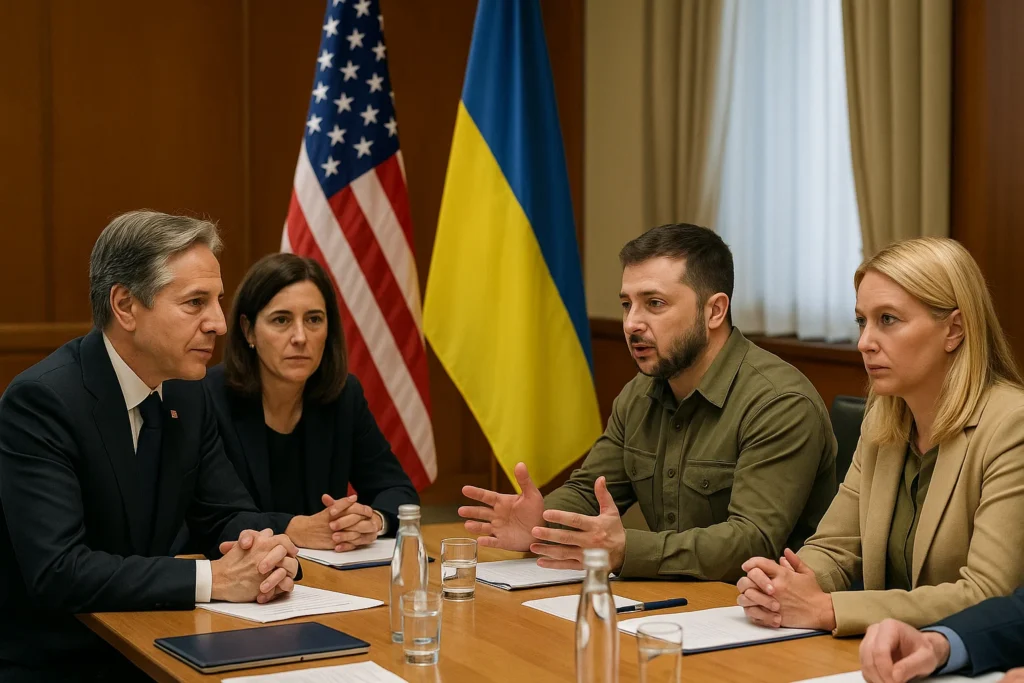
4) What Ukraine reportedly accepted — the “core terms” (high level)
Public summaries say the revised framework trims earlier demands seen as favorable to Moscow and emphasizes protection of Ukrainian sovereignty and territorial integrity.
Reports also suggest some earlier Russian demands — such as formal Ukrainian withdrawal from certain urban areas, caps on the Ukrainian military, and an explicit ban on NATO membership — were removed or softened in the updated version.
Even so, media outlets report Kyiv accepted limits on military posture and other confidence-building steps that are politically sensitive at home.
Those sorts of compromises explain why Ukrainian leaders publicly frame the result as “preserving the essence” of sovereignty while negotiating hard over the remaining clauses.
5) What Moscow has said so far — noncommittal and cautious
Kremlin officials have been publicly restrained, calling media coverage “an information frenzy” and saying they had not yet formally received the latest draft.
Russian diplomats in parallel have continued military operations in several sectors, signaling that any acceptance will hinge on how the text addresses security and political guarantees for Moscow’s interests.
Put simply: a paper agreement among Kyiv and Washington is not the same as Kremlin acceptance — and Moscow’s response remains the single most decisive variable.
Analysts say even small Russian demands, if unmet, could lead to rejection and renewed fighting.
6) The battlefield reality — talks amid strikes and casualties
Diplomatic optimism has been undercut by continued violence: major overnight strikes damaged Kyiv and other regions, leaving civilians dead and infrastructure battered.
That mismatch — negotiating a ceasefire framework while missiles keep falling — is a recurring phenomenon that complicates trust and verification.
Both sides have incentives to keep pressure on the ground while they negotiate, but active strikes increase the political cost of concessions and can harden domestic audiences against compromise.
Any peace plan will therefore need very robust verification and rapid, neutral mechanisms to stop fresh attacks.
7) Europe’s reaction — supportive, skeptical, and wanting a seat at the table
European leaders welcome any credible path to de-escalation but have publicly demanded a say in the details and security arrangements.
France, Germany and the UK have emphasized that any blueprint must not become a vehicle for concessions that leave Ukraine vulnerable to renewed aggression.
That European insistence matters because a post-deal security architecture will likely require NATO/European contributions to peacekeeping, monitoring, and rapid reaction.
Without European buy-in, any U.S.-brokered framework would struggle to secure the multinational mechanisms Ukraine and its allies say are necessary.
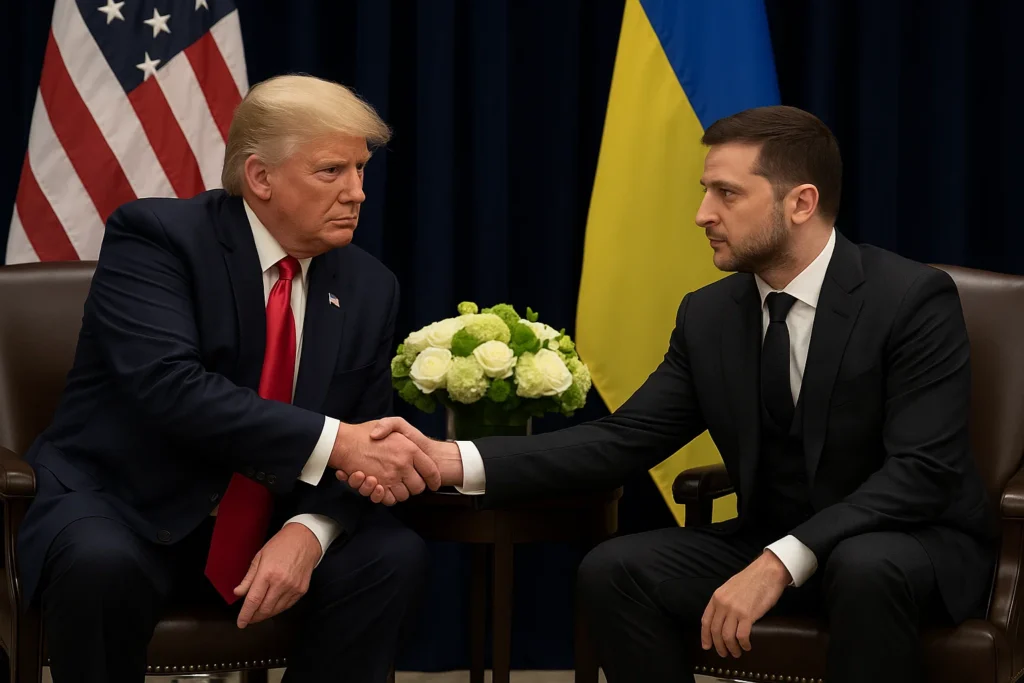
8) Key sticking points that could still derail a deal
Verification mechanisms: who polices a ceasefire, how inspectors are protected, and how violations are punished.
Territory and sovereignty: precise border maps, the status of occupied regions, and whether Kyiv must change laws or security postures.
Military limits: caps on force size, weapons restrictions, and how to handle foreign military support and NATO aspirations.
Each of these is legally and politically complex; negotiators can agree on principles quickly but take far longer to draft enforceable text.
That is why the current “agreement in principle” is promising but far from conclusive.
9) What a deal would look like in practice (one plausible scenario)
A staged approach: immediate ceasefire, a limited multi-national peacekeeping force in hotspots, verified withdrawal timetables, and a long timetable for political resolution of contested areas.
Security guarantees could involve Ukraine’s promise not to join NATO for a specified period and international pledges to restore sovereignty if violations occur.
Such a package would be politically painful for actors on all sides — but it is the kind of compromise that diplomats often design to convert combat fatigue into a sustainable truce.
Whether it becomes reality depends on Moscow’s acceptance and how robustly the international community backs enforcement.
Do you think the updated Ukraine peace plan will hold?
Final thought — cautious optimism, not a fait accompli
The current moment may be the most concrete diplomatic opening since the war began — but good headlines are only the first step.
Durable peace will require Russian agreement, enforceable verification, and sustained international support — none of which is guaranteed yet.
Disclaimer
This TrenBuzz article summarizes reporting and official statements current as of November 25, 2025. It is informational and not policy advice.
For primary documents and official diplomatic texts, rely on government releases and verified international reporting.
.