


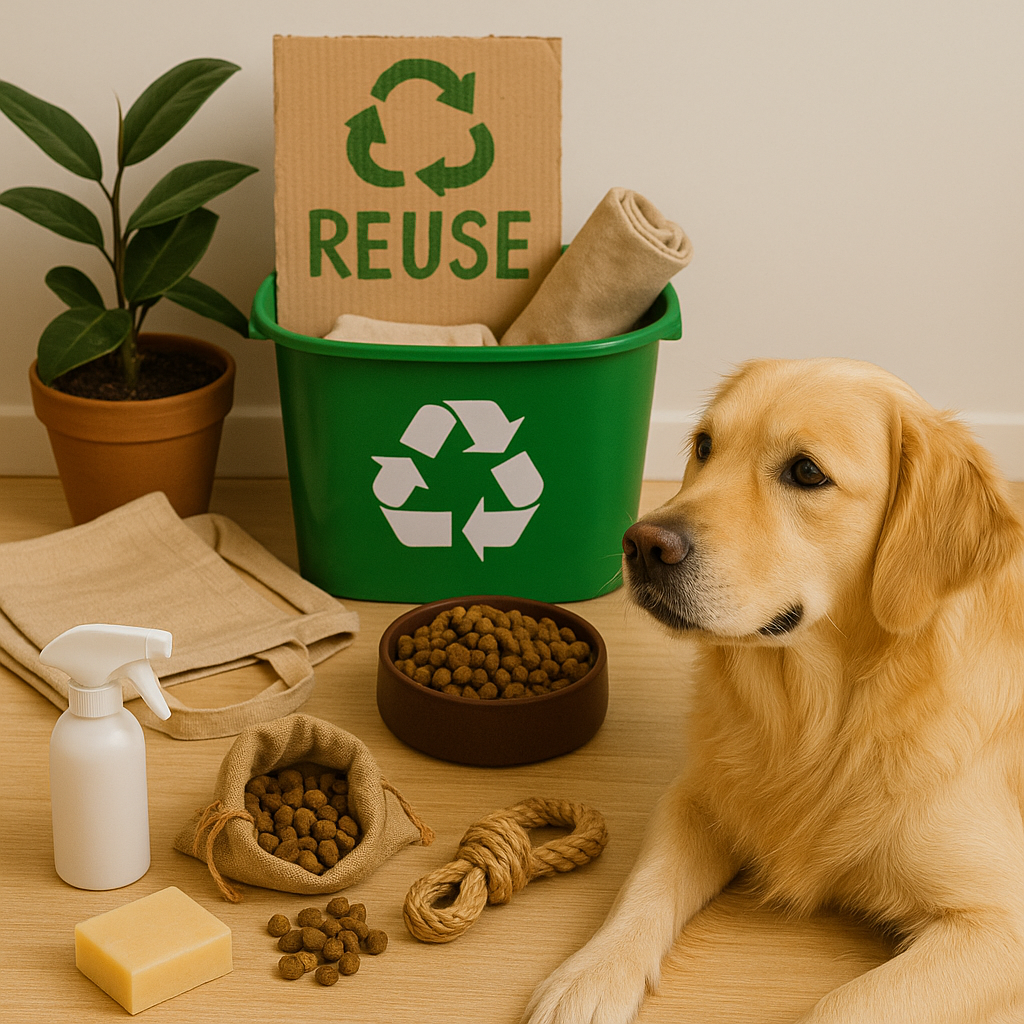
Let’s be real: our furry (or feathery, or scaly) family members bring immeasurable joy. But let’s also face a less glamorous truth – pets have an environmental pawprint. From mountains of plastic poop bags heading to landfills to resource-intensive pet food production, the impact adds up. The good news? Embracing Eco-Friendly Pet Parenting isn’t about sacrifice; it’s about smarter, more sustainable choices that often save you money and keep your pet healthy. As a pet parent in 2025, you have more planet-loving options than ever! Let’s dive into actionable, step-by-step ways to shrink that pawprint together.
Why Eco-Friendly Pet Parenting Matters More Than Ever (2025 Update)
Think globally, act locally – even with pet care. Recent reports (like the 2024 UNEP Global Resource Outlook) highlight the urgency of reducing waste and resource consumption. In the US alone, landfills receive millions of tons of pet waste in plastic bags annually. The UK’s DEFRA emphasizes reducing single-use plastics, directly impacting pet products. Globally, sustainable pet food production is a growing focus. Choosing Eco-Friendly Pet Parenting means directly contributing to cleaner land, water, and air for everyone, including future generations of pets and people.
Hack #1: Ditch the Plastic Poop Bags – Go Truly Biodegradable (Step-by-Step)
The Problem: Standard plastic poop bags? They might sit in landfills for centuries, leaching microplastics.
The Eco-Friendly Pet Parenting Solution: Certified Biodegradable Bags.
- Step 1: Understand the Labels (Crucial in 2025!): Don’t be fooled by “degradable” or “oxo-degradable.” These often break down into harmful microplastics. Look for certifications:
- TÜV Austria OK compost HOME (or INDUSTRIAL): The gold standard. HOME means it breaks down in your backyard compost. INDUSTRIAL needs a facility. HOME certified is ideal for pet waste.
- ASTM D6400 (US) / EN 13432 (EU/UK): Indicates industrial compostability.
- BPI Certified: Common in the US, signifies industrial compostability.
- Step 2: Choose the Right Type: For backyard composters: OK compost HOME certified bags are best. For municipal collection (if accepted): OK compost INDUSTRIAL, ASTM D6400, or EN 13432 are suitable. Always check your local waste guidelines for pet waste disposal.
- Step 3: Proper Disposal is Key: Even certified bags need the right environment. If composting at home (only with HOME certified bags!), use a dedicated pet waste composter away from edible gardens. If using municipal compost, only put bags in if explicitly accepted.
- DIY Tip: While composting pet waste at home requires care, you can create a simple dedicated pet waste digester bin using a large lidded bucket with holes drilled in the bottom, buried deep in a non-food garden area. Add septic starter or lime layers. Never use this compost on food plants.
- Bonus: Consider flushable poop (not litter!) for dogs, if your plumbing and municipal system explicitly allows it (check local regulations!). Brands like Flush Puppies offer certified flushable bags.
Hack #2: Revolutionize the Litter Box: Recyclable & Sustainable Options
The Problem: Clay litter is strip-mined, non-renewable, and creates massive landfill waste. Even some “natural” litters aren’t recyclable or compostable.
The Eco-Friendly Pet Parenting Solution: Recyclable, Compostable, or Sustainably Sourced Litter.
- Step 1: Explore the Sustainable Landscape (2025 Favorites):
- Recycled Paper Pellets: Highly absorbent, low dust, often recyclable (check local rules!) or compostable (urine only, usually). (e.g., Yesterday’s News).
- Wood Pellets/Sawdust: Made from reclaimed lumber industry waste. Super absorbent, controls odor well, compostable (urine only). (e.g., Feline Pine, Ökocat).
- Grass Seed Litter: Renewable, flushable (check packaging!), clumping, low dust. (e.g., SmartCat Grass Seed Litter).
- Walnut Shell Litter: Made from reclaimed walnut shells, clumping, good odor control. (e.g., Naturally Fresh).
- Wheat or Corn Litter: Renewable, clumping, often flushable (check!). (e.g., Swheat Scoop, World’s Best Cat Litter).
- Step 2: Transition Slowly: Cats are creatures of habit. Mix 25% new litter with 75% old for a few days, then 50/50, then 75/25, finally 100% new litter. Patience prevents box avoidance!
- Step 3: Master Eco-Disposal:
- Composting: Only urine-soaked litter from certified compostable litters (like paper, wood, grass, wheat, corn) in a dedicated pet waste composter. Never feces, and never in compost for food.
- Flushing: Only feces from explicitly flushable litters (like some grass, wheat, corn). Check packaging! Never flush clay, silica gel, or non-flushable types.
- Landfill (Last Resort): For feces or non-compostable litter, use certified biodegradable bags in the trash. Minimize volume by scooping frequently.
- DIY Tip: For small pets (rabbits, guinea pigs), recycled paper bedding or untreated aspen shavings are excellent, compostable (urine/feces together often OK for ornamental plants) options.
Hack #3: Suds Up Sustainably: Plant-Based & Natural Pet Grooming
The Problem: Conventional pet shampoos often contain harsh chemicals (sulfates, parabens, synthetic fragrances) that harm aquatic life when washed down the drain and can irritate sensitive skin.
The Eco-Friendly Pet Parenting Solution: Plant-Based, Biodegradable Shampoos & Conditioners.
- Step 1: Decode the Label: Look for:
- “Plant-Based,” “Botanical,” “Natural Ingredients.”
- “Biodegradable Formula” (certifications like Ecocert COSMOS are a plus).
- No SLS/SLES, parabens, phthalates, artificial dyes or fragrances.
- Organic ingredients where possible (USDA Organic, Soil Association).
- Step 2: Concentrate is King: Choose concentrated formulas. You use less per wash, meaning less plastic packaging and fewer shipping emissions over time. Dilute as directed!
- Step 3: Water Wisdom: Bathe only when necessary (over-bathing strips natural oils). Use lukewarm water, not hot. Turn off the tap while lathering. Shorter showers = less water waste.
- DIY Tip: Simple Oatmeal Soothing Bath: Grind plain, uncooked oatmeal into a fine powder in a blender or coffee grinder. Mix a tablespoon or two into lukewarm water in a basin or bucket. Let your pet soak for 5-10 minutes, then rinse thoroughly. Great for itchy skin! Always patch test first.


Hack #4: Shrink the Overall “Pawprint” – Beyond the Basics
True Eco-Friendly Pet Parenting is holistic. Here’s how to tackle other areas:
- Food with Footprint in Mind:
- Step 1: Quality over Quantity: Feed appropriate portions to avoid obesity and food waste. Consult your vet.
- Step 2: Protein Source Matters: Livestock farming has a high environmental cost. Consider:
- Brands using ethically sourced, sustainable proteins (e.g., MSC-certified fish, pasture-raised meats).
- Insect-based foods (rapidly growing in 2025!). They require minimal land/water and are highly nutritious (e.g., Yora, Jiminy’s).
- Reducing meat content only if vet-approved and using nutritionally complete foods specifically formulated for this.
- Step 3: Packaging: Choose brands using recyclable or compostable packaging (e.g., TerraCycle partnerships, paper bags). Buy larger bags to reduce packaging per kg. Store food properly in airtight containers to prevent spoilage.
- DIY Tip (Supplement): Add safe, cooked veggie scraps (like carrots, green beans, pumpkin – no onions, garlic, grapes!) to kibble to bulk it up slightly and reduce meat portion (check with vet first).
- Toys & Accessories: Durable, Recycled, or DIY:
- Step 1: Choose toys made from natural materials (hemp, organic cotton, natural rubber) or recycled plastics/ocean-bound plastics.
- Step 2: Prioritize durability. A long-lasting toy beats 5 cheap plastic ones that break quickly.
- Step 3: Repair! Can that ripped stuffy be stitched? Can the squeaker be replaced?
- DIY Tip – Braided T-Shirt Tug Toy: Cut an old cotton t-shirt into 3 long strips (1-2 inches wide). Knot the three strips together at one end. Braid tightly. Knot the other end. Great for dogs! Always supervise play.
- Bedding & Gear:
- Look for beds filled with recycled plastic bottle fiber (rPET) or natural latex, covered in organic cotton or hemp.
- Choose collars, harnesses, and leashes made from recycled materials, hemp, or cork.
- Upcycle! An old sweater can become a cozy cat bed liner.
- Adopt, Don’t Shop (The Ultimate Eco-Act): Reducing pet overpopulation is profoundly eco-friendly. Shelters are full of amazing animals needing homes. Adoption bypasses the resource-intensive breeding industry.
Hack #5: Reduce, Reuse, Recycle – The Pet Edition
- Reduce: Buy only what your pet needs. Avoid impulse buys on cheap, disposable toys or accessories. Choose concentrates (shampoo, cleaning sprays).
- Reuse: Repurpose old towels as pet drying towels or crate/bed liners. Use glass jars for homemade treats or storing pet supplies. Pass on outgrown items (carriers, gently used toys) to shelters or friends.
- Recycle: Rigorously recycle pet food cans, cardboard packaging, and plastic containers (check local codes!). Participate in take-back programs (e.g., TerraCycle for specific pet food pouches or treat bags). Rinse containers thoroughly!
Hack #6: Conscious Consumption & Second-Hand Savvy
Before buying new:
- Check Second-Hand: Platforms like eBay, Facebook Marketplace, Freecycle, or local pet thrift stores often have high-quality carriers, crates, strollers, and even unused toys/beds at a fraction of the cost and environmental impact.
- Borrow: Need a specialized item (e.g., a puppy playpen for just a few months)? Ask fellow pet parents or local groups.
- Research Brands: Support companies genuinely committed to Eco-Friendly Pet Parenting – B Corps, those using sustainable sourcing, transparent about manufacturing, and offering take-back/recycling schemes.
Hack #7: Spread the Word & Advocate
- Chat with Your Vet: Discuss sustainable food options and preventative care (keeping your pet healthy reduces medical resource use).
- Talk to Pet Stores: Ask about their sustainable product range and packaging reduction plans. Demand drives change!
- Share Your Journey: Post your Eco-Friendly Pet Parenting wins (and challenges!) online. Inspire your network. Tag brands doing good.
Conclusion: Every Paw Step Counts
Embracing Eco-Friendly Pet Parenting isn’t about achieving overnight perfection. It’s about making conscious choices, one step at a time. Start with swapping those poop bags or trying a new litter. Explore a plant-based shampoo. Consider the packaging on your next pet food purchase. Repair a toy instead of tossing it. These actions, multiplied by millions of pet parents across the US, UK, and globally, create a powerful force for positive environmental change. You’ll likely find it saves money, benefits your pet’s health, and deepens your connection to the planet we all share. So, go on – give your eco-conscious pet a cuddle, and know you’re making a difference!
Disclaimer: This blog post contains affiliate links. If you make a purchase through these links, we may earn a small commission at no extra cost to you. This helps support our work in providing free, valuable content on Eco-Friendly Pet Parenting. We only recommend products we genuinely believe in based on our research and experience. Product availability and regulations may vary by region; always check local guidelines for waste disposal and product suitability. All images used in this article are royalty‑free or licensed for commercial use and are provided here for illustrative purposes.
Helpful Resources for Eco-Friendly Pet Parents (August 2025 Verified):
- United States:
- Environmental Protection Agency (EPA) – Sustainable Management of Food: https://www.epa.gov/sustainable-management-food (Includes info on composting)
- Federal Trade Commission (FTC) – Green Guides: https://www.ftc.gov/news-events/topics/truth-advertising/green-guides (Understanding environmental marketing claims)
- USDA BioPreferred Program Catalog: https://www.biopreferred.gov/BioPreferred/ (Search for pet care products)
- United Kingdom:
- Department for Environment, Food & Rural Affairs (DEFRA) – Resources and Waste Strategy: https://www.gov.uk/government/publications/resources-and-waste-strategy-for-england
- Recycle Now (Recyclability Locator): https://www.recyclenow.com/ (Check what packaging can be recycled in your UK postcode)
- WRAP (Waste and Resources Action Programme): https://wrap.org.uk/ (Information on reducing waste and recycling)
- Global/General:
- TÜV Austria – OK compost Certification: https://www.tuv-at.be/ok-compost (Details on HOME/INDUSTRIAL standards)
- Biodegradable Products Institute (BPI): https://bpiworld.org/ (US-focused compostability certification info)
- TerraCycle Pet Supplies Programs: https://www.terracycle.com/en-US/brigades (Check for active free recycling programs for hard-to-recycle pet packaging)