


1) What Eric Dane announced — the basic fact
In April 2025 Dane publicly disclosed he had been diagnosed with ALS and asked for privacy as he and his family adjusted.
The disclosure appeared in a People exclusive and was widely picked up by major outlets that have followed his updates since.
Dane is best known for television roles on Grey’s Anatomy and Euphoria, which gave his announcement broad public reach and an immediate platform for awareness.
2) Why ALS matters — a short primer
ALS (amyotrophic lateral sclerosis) is a progressive neurological disease that attacks motor neurons, producing muscle weakness, speech and swallowing problems, and eventually compromised breathing.
There is no cure yet; treatments can slow progression for some people but prognosis varies. Dane’s decision to speak publicly puts a spotlight on a condition that affects thousands but gets limited funding compared with other major diseases.
Raising public awareness matters because visibility can drive donations, clinical-trial enrollment and legislative attention to research funding.
That’s one reason Dane’s public advocacy — and acting choices that reflect his experience — carry policy as well as human weight.
3) The Brilliant Minds cameo — what happened and why it struck a nerve
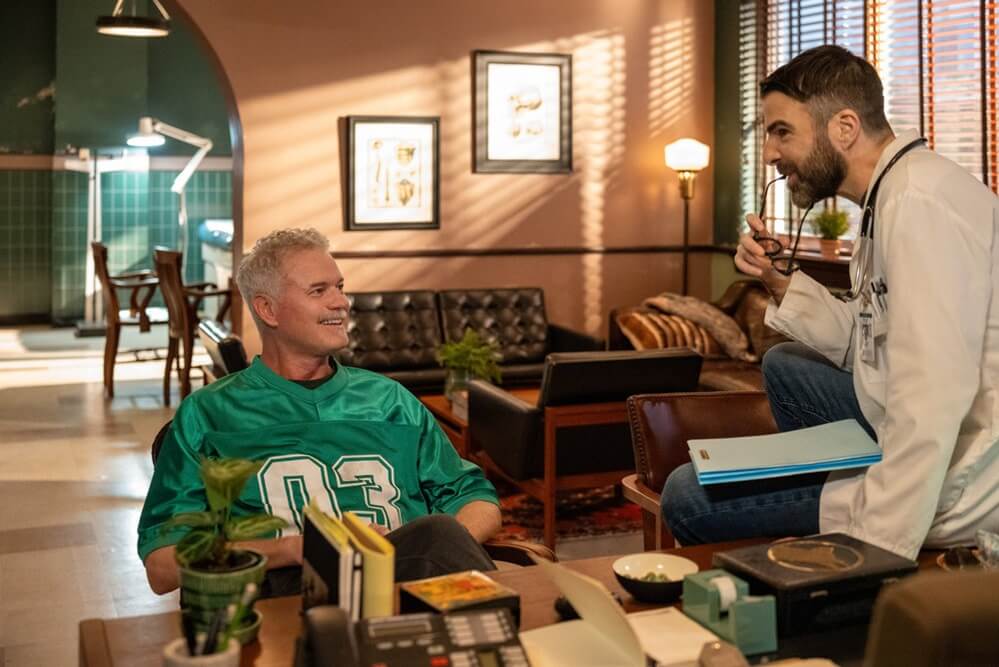
On November 25, 2025, Dane guest-starred on NBC’s medical drama Brilliant Minds as Matthew Rimati, a firefighter struggling to tell his family about an ALS diagnosis.
Cast and crew reportedly gave Dane a sustained standing ovation after filming; the episode intentionally echoed Dane’s real-life challenges to bring authenticity to the storyline.
Critics and viewers praised the episode for humanizing the disease — showing loss of hand function, respiratory difficulty and the emotional weight of seeking help.
That resonance is rare on mainstream TV and matters to families who want accurate portrayals of what living with ALS looks like day to day.

4) How Dane’s personal experience shaped the performance
Dane and Brilliant Minds creator Michael Grassi connected over shared family health issues, and producers said the role was crafted with Dane’s input to reflect real symptoms.
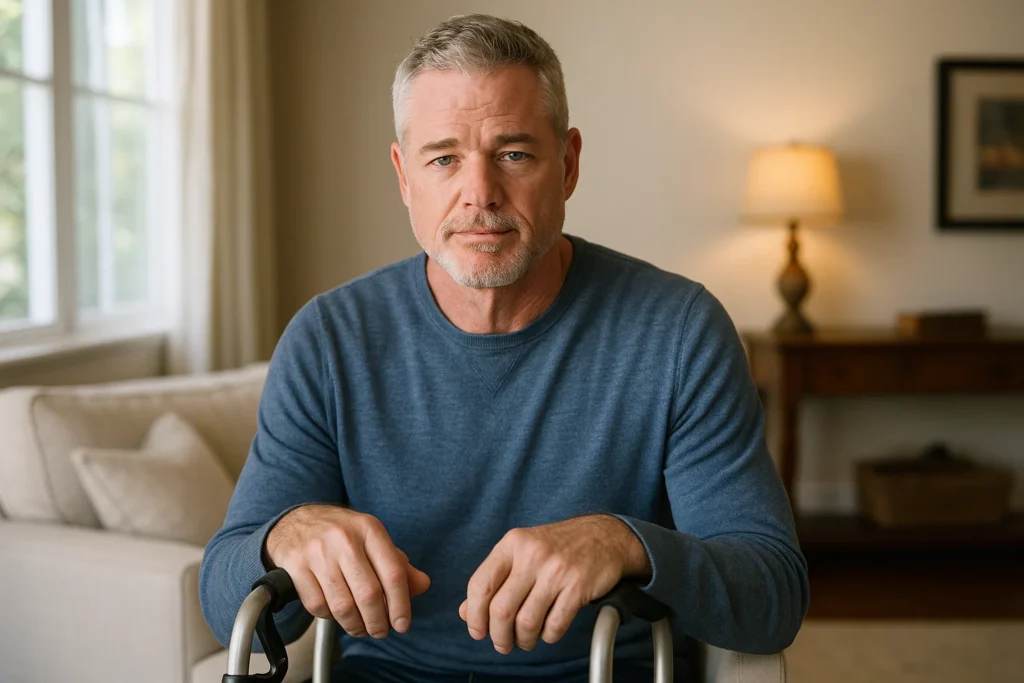
Because Dane himself is living with ALS, the physical limitations and emotional beats he brought to the part gave the episode extra credibility and weight.
On-set reactions — including the reported 10-minute standing ovation — signaled deep respect from colleagues for Dane’s bravery and the care taken to portray ALS honestly.
Those gestures also amplified the show’s message: ALS affects families, careers and identities, and authentic depictions can galvanize public compassion and action.
5) Timeline recap: diagnosis, public disclosure and advocacy milestones
- April 2025: Dane publicly revealed his ALS diagnosis in an exclusive interview and statement, asking for privacy while continuing to work where possible.
- September 2025: Dane received recognition from ALS organizations for his advocacy and fundraising efforts, highlighting his role beyond acting.
- November 2025: Dane’s Brilliant Minds cameo aired and was widely covered as a notable moment of representation on television.
Those public steps show a shift from private diagnosis to visible advocacy and storytelling intended to educate and motivate.
Each milestone matters because public figures can accelerate interest in clinical trials and research dollars.
6) Advocacy and policy: what Dane is pushing for now
Dane has used interviews and public appearances to call for accelerated ALS research, better patient support and more clinical-trial access.
Organizations like the ALS Network have recognized his advocacy work, underscoring the real-world effect celebrity engagement can have on fundraising and legislation.
Advocacy priorities often include increasing federal research funding, expanding trial enrollment pathways, and enhancing caregiver supports — all areas Dane has publicly highlighted.
Because policy change requires attention and sustained pressure, Dane’s visibility can help keep ALS on lawmakers’ agendas and in funders’ minds.

7) What the ALS community says about media portrayals like this episode
ALS advocates generally welcome accurate, human depictions because they reduce stigma and improve understanding of daily caregiving needs.
However, community leaders also press producers to avoid sensationalism and to include information about resources and research at the end of stories.
Dane’s involvement — a person with lived experience performing the role — reduces the risk of error and increases the chance audiences will respond with empathy and action.
Advocacy groups hope that storylines translate into concrete engagement: donations, trial enrollees, and political pressure for research funding.
8) Medical realities — what symptoms the episode showed accurately
Reviewers noted the episode portrayed loss of fine motor control (hand weakness), difficulty speaking and the emotional struggle to accept help — all common ALS features.
Scenes that showed respiratory difficulty and the use of assistive devices mirrored experiences many ALS patients and families described as realistic.
Those accurate beats matter because they teach viewers what to watch for, how family dynamics change, and why early referral to multidisciplinary ALS clinics matters.
If television prompts someone to seek evaluation earlier, it can shorten the time to diagnosis and access to supportive care and trials.
9) The human story: family, caregiving and Dane’s personal choices
Dane has publicly thanked his wife, Rebecca Gayheart, and his children for their support and asked for privacy as medical needs advance.
He has balanced work and health — returning to sets where feasible — while also stepping into advocacy roles that connect patients, scientists and lawmakers.
That balance is difficult and deeply personal: caregiving, home modifications, and palliative planning are practical issues families face early in the ALS course.
Dane’s openness about those realities helps destigmatize the conversation and shows that choosing to work and to advocate are both valid responses.

10) Why public figures matter in rare-disease awareness
When well-known actors speak out, they magnify research priorities and catalyze fundraising in ways individual advocates often can’t.
High-profile attention can funnel more patients into registries and clinical trials — a direct, measurable benefit for researchers chasing cures.
Dane’s combination of personal experience and continued public work makes him a particularly effective messenger: he demonstrates the human stakes while advocating for systemic change.
That mix of storytelling and policy pressure is how many medical-advocacy wins have historically gained traction.
11) What to watch next — research, legislation and public campaigns
- Clinical-trial news: watch for announcements of new ALS trials that need participants — advocates want faster enrollment.
- Funding moves: federal budget items and private foundation grants to ALS research could expand in response to increased visibility.
- Media follow-ups: producers may add resources to website pages or public-service notices after airing episodes like Brilliant Minds.
12) How you can help — practical steps for readers who want to act
- Donate to reputable ALS organizations that fund research and patient services. Verify charity credentials before giving.
- Join patient registries or encourage eligible patients to enroll in clinical trials to speed research.
- Share accurate resources when you see portrayals of ALS online — link to clinic pages, research centers, and advocacy groups rather than speculation.
Did Eric Dane’s *Brilliant Minds* episode change how you think about ALS?
Final takeaway — storytelling can accelerate science
Eric Dane’s public journey with ALS shows how storytelling, personal courage and mainstream media can combine to raise awareness and nudge research priorities.
If the Brilliant Minds episode prompts one more person to join a trial, donate to research, or support a family coping with ALS, its cultural impact will already be measurable.
Disclaimer
This TrenBuzz article is informational and summarizes reporting available as of November 25, 2025. It is not medical advice.
For clinical guidance about ALS, contact qualified medical professionals and reputable ALS clinics or organizations.