


How Rodney Rogers Died: by TrenBuzz — a careful, compassionate look at the life, sudden passing, medical background and community impact after the death of former NBA forward Rodney Rogers.
Who Rodney Rogers was — short biography
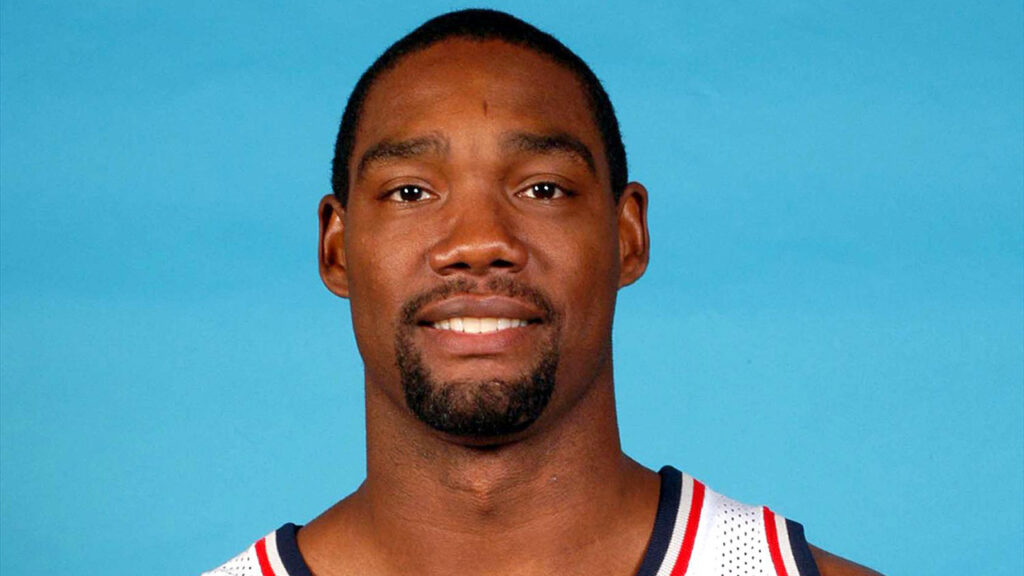
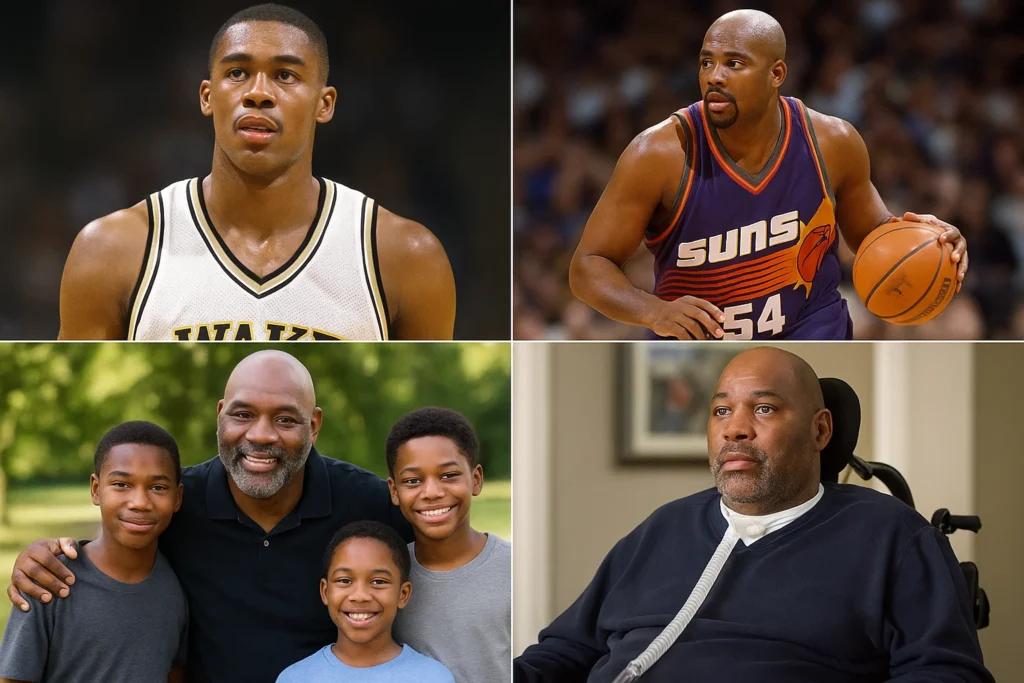
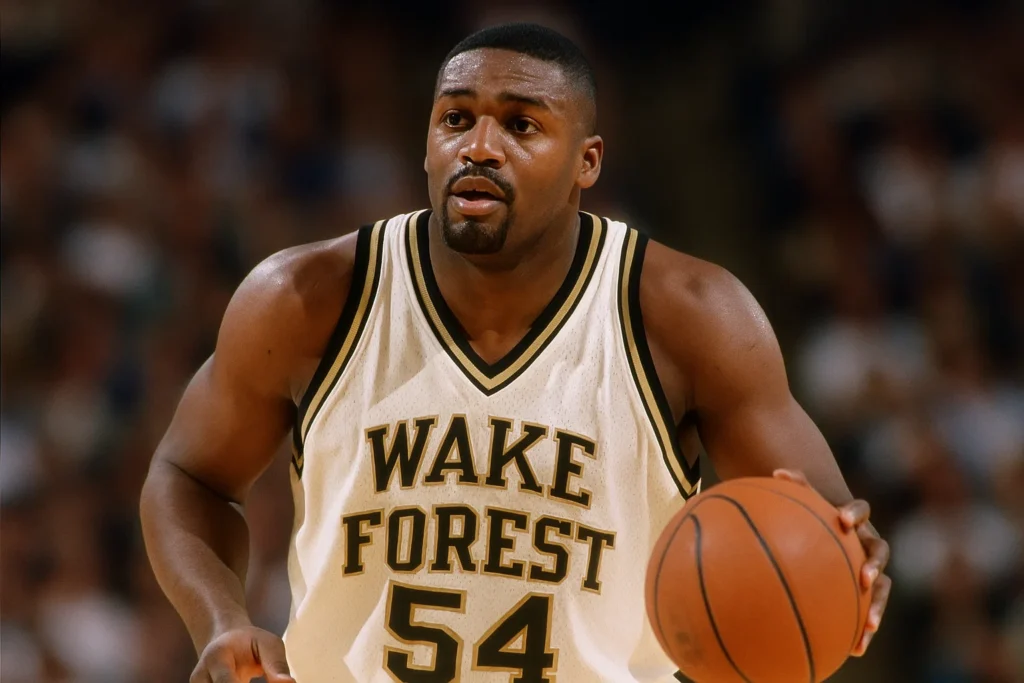
Rodney Rogers rose from Durham, North Carolina to national prominence at Wake Forest, where he became an All-American and ACC star.
He was the ninth overall pick in the 1993 NBA Draft and played 12 seasons for seven NBA teams, earning Sixth Man of the Year honors in 2000.
After his NBA career Rogers remained active in his community, founding youth programs, coaching and later launching a foundation to support people with spinal injuries.
His resilience after the 2008 accident — and the work he did afterward — was central to how fans and teammates remembered him.
The basic facts about his death (what officials said)
Wake Forest and multiple major outlets announced Rogers died on November 21, 2025, at age 54.
Family and association statements described the passing as peaceful and tied it to long-term complications from the 2008 spinal-cord injury he sustained.
Those are the public, attributable facts: university and family statements plus the National Basketball Players Association’s messaging.
Until a formal death certificate or expanded family release is issued, reporting will rely on those official announcements.
How the 2008 accident changed everything — a brief timeline
On November 28, 2008, Rogers was critically injured in an all-terrain vehicle (ATV) crash in rural Vance County, North Carolina.
He was medevacked to Duke University Medical Center and later moved to a specialized rehabilitation center; the injury left him paralyzed from the shoulders down.
Rogers spent years in rehabilitation and then devoted himself to family, coaching and advocacy for people with spinal injuries.
His public life after 2008 was defined by resilience, quiet leadership and work to help others facing paralysis.

What “natural causes related to a spinal-cord injury” means — medical context
Medical experts note that people living with a spinal-cord injury (SCI) face serious long-term risks that can lead to death even years after the initial trauma.
Respiratory infections (especially pneumonia), urinary and other infections, pressure-ulcer complications, and cardiovascular disease are common causes of mortality in chronic SCI patients.
Research and major health authorities say respiratory complications are the leading cause of death after SCI, often because weakened respiratory muscles and reduced cough ability make pneumonia more likely.
In short: a long-ago spinal injury can produce chronic vulnerabilities that later lead to “natural causes” listed on a death notice or certificate.
Did Rogers die from the accident itself or from later complications?
The 2008 accident caused a permanent spinal-cord injury; medically speaking, that injury created ongoing health risks.
When obituary notices say a patient died of “natural causes related to their spinal-cord injury,” they typically mean the initial trauma led to chronic medical conditions that eventually proved fatal.
Reporting so far attributes Rogers’s passing to those long-term effects rather than to a new external event.
Official and family statements emphasized a peaceful passing surrounded by loved ones, not an acute public incident.

Immediate reactions — NBA, Wake Forest, teammates and fans
Tributes poured in quickly: Wake Forest announced his passing and posted a remembrance; the NBA and the NBPA issued condolences.
Teams and former teammates — from the Suns to the Nets and 76ers — shared memories of his competitive spirit and generosity.
Fans across social media remembered signature moments — playoff shots, Sixth Man award nights — and celebrated his commitment to community work after the accident.
Local leaders in Durham noted his role in youth sports programs and his steady presence as a hometown icon.
The ripple effects — what changed or will change after his death
- Family and community grief: Rogers leaves behind his wife, children and a close circle of family; Wake Forest and Durham communities have organized remembrances.
- Awareness for SCI issues: high-profile deaths tied to spinal-cord injuries often prompt renewed attention and fundraising for research and patient care.
- Tributes and memorials: expect commemorative events, jersey tributes and alumni gatherings to honor his Wake Forest and NBA legacy.
Those ripple effects combine personal mourning with a public conversation about long-term care for people living with paralysis.
Rogers’s foundation work and local programs provide concrete channels for fans who want to support his legacy.
Why his story matters beyond sports
Rogers’s life is a case study in how athletes pivot after career-ending injuries: from on-court achievement to disability advocacy and community leadership.
His public resilience after paralysis helped destigmatize severe disability and showed how sustained support networks can enable meaningful work and family life.
His passing also highlights broader public-health challenges: how to provide long-term, affordable care for people with lifelong disabilities and prevent secondary complications.
Those are policy and community concerns that extend far beyond any single athlete’s biography.
Medical takeaways for readers (practical, not clinical advice)
People living with chronic spinal-cord injuries should have proactive plans for respiratory care, skin and pressure-ulcer prevention, bladder management and regular infection screening.
Care teams typically include rehabilitation physicians, pulmonologists, urologists and wound-care specialists — coordinated care lowers risks for the common complications noted above.
If you care for someone with SCI, encourage vaccination (flu and pneumococcal vaccines), routine respiratory vigilance and quick evaluation of fevers or breathing changes.
Those steps are general prevention measures recommended by major medical centers; always consult your care team for individualized medical advice.
How the basketball world can honor Rodney Rogers
Teams and alumni groups often create memorial scholarships, charity games, or donate to foundations focused on spinal-cord research.
Wake Forest and local organizations are natural partners for memorial efforts that both honor Rogers and support prevention, treatment and rehabilitation services.
Fans who want to help should look for family-approved channels or established spinal-injury nonprofits where donations directly fund research and patient programs.
Avoid speculative fundraisers unless they’re clearly verified by the family or trusted institutions.
Frequently asked questions — short answers
Q: When did Rodney Rogers die?
A: He died on November 21, 2025, at age 54, and the death was publicly announced the following day.
Q: What was the cause of death?
A: Family and institutional statements say he died of natural causes related to the spinal-cord injury suffered in a 2008 ATV accident.
Q: Was his death sudden?
A: Reports describe a peaceful passing; there was no indication of a new public accident or trauma in initial reporting.
Which legacy of Rodney Rogers matters most to you?
Final thoughts — grief, gratitude and action
Rodney Rogers’s death is a moment of mourning for family, teammates and fans — but also an occasion to spotlight the long road many people live after life-changing injuries.
If you admired his career or his courage after 2008, consider supporting verified spinal-injury research and local programs that help families navigate similar journeys.
Disclaimer
This TrenBuzz article summarizes reporting and public statements available as of November 2025. It is informational and not medical advice. For clinical concerns about spinal-cord injuries or related conditions, consult licensed medical professionals and authoritative health resources.