


Key points
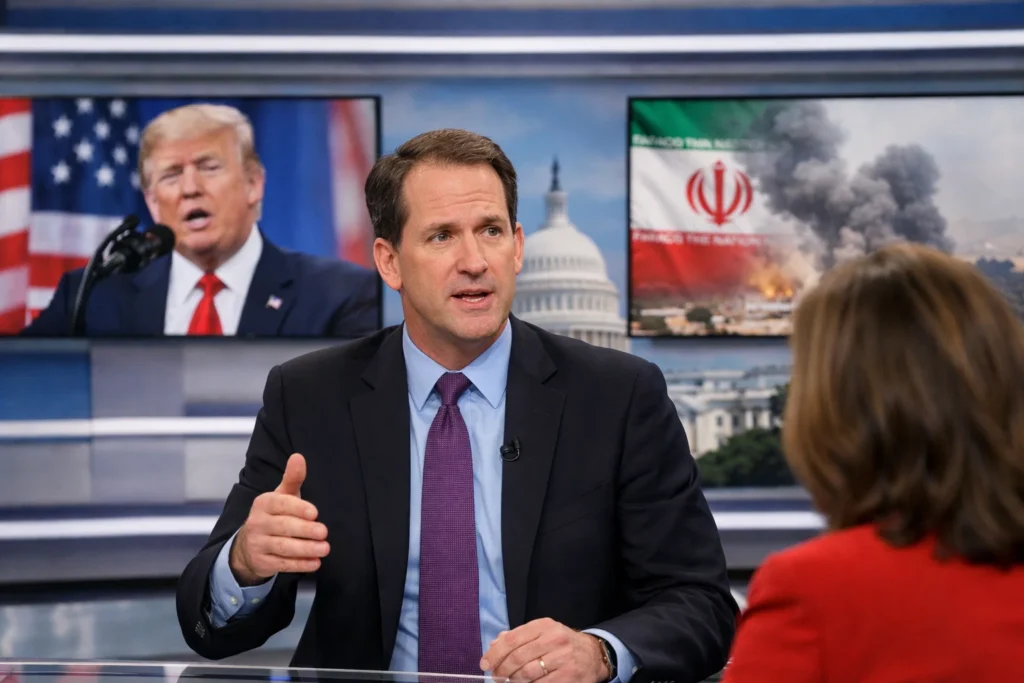
- Rep. Jim Himes, the top Democrat on the House Intelligence Committee, said President Trump was “flat-out lying” about talks with Iran during an appearance on Face the Nation.
- Trump has publicly claimed that Washington was making progress with Tehran, while Iran has repeatedly denied that direct negotiations are taking place.
- The dispute comes as the Iran war continues to drive market volatility, pressure allies and raise questions about whether the White House is managing the conflict through diplomacy, force, or both.
Himes takes direct aim at Trump’s Iran narrative
Rep. Jim Himes did not soften his words. Speaking on CBS’s Face the Nation, the Connecticut Democrat said he believed Trump was “flat-out lying” when he described active negotiations with Iran. CBS reported that Himes argued the president had “made up” the idea of talks after facing market panic and political pressure.
That accusation landed in the middle of a fast-moving information war. Trump has repeatedly suggested that diplomatic progress was being made, including claims that the U.S. and Iran had held “very good” talks, while Iranian officials have denied that direct negotiations are happening at all. Reuters and People both reported that Tehran rejected the White House’s version of events and called it false or misleading.
Why the disagreement matters
This is not just a Washington shouting match. If the White House is telling Congress and the public that diplomacy is advancing while Iran says no such talks exist, lawmakers are left trying to separate messaging from reality. Himes, as the top Democrat on the House Intelligence Committee, is one of the figures who typically gets briefings on national-security matters, so his criticism carries more weight than a routine partisan swipe.
The timing also matters because Trump has coupled diplomatic language with military threats. Reuters reported that he recently warned Iran to reopen the Strait of Hormuz or face severe retaliation, including strikes on infrastructure. AP likewise reported that Trump threatened to destroy Iranian civilian infrastructure if a ceasefire deal is not reached quickly.
The political message behind Himes’ attack
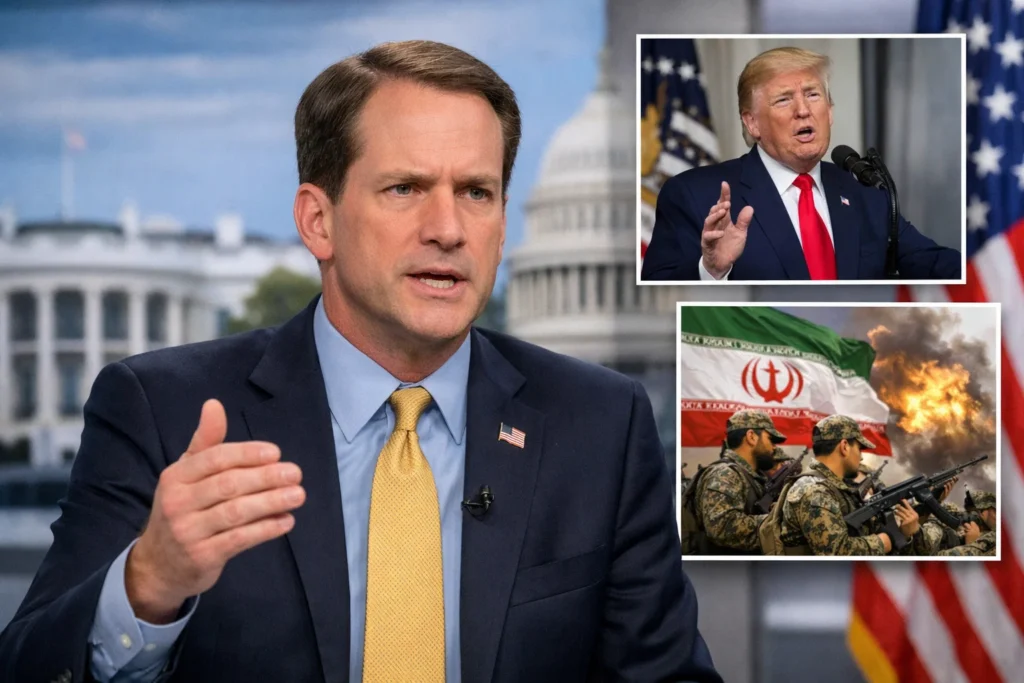
Himes’ criticism goes beyond the Iran file. It reflects a broader Democratic argument that the administration is improvising on foreign policy and shaping its public narrative around political needs rather than verified progress. CBS’s report suggests Himes viewed the claimed diplomacy as a response to market panic rather than a breakthrough in negotiations.
That point matters because the conflict has already affected oil prices, shipping routes and global confidence in U.S. strategy. Reuters reported that Trump has alternated between threats and talk of progress, while other outlets described Iran as skeptical that Washington is negotiating in good faith. When those messages collide, credibility becomes part of the battlefield.
What readers should watch next
Watch for three things: whether the White House provides clearer evidence of talks, whether Iran acknowledges any indirect channel, and whether Congress pushes for more oversight of the war’s diplomacy and funding. The Himes comments show that the debate is no longer only about Iran’s behavior. It is also about whether Americans believe their own government’s account of the conflict.
Bottom line
Jim Himes’ “flat-out lying” accusation cuts to the center of the Iran debate: is the administration genuinely negotiating, or is it framing the conflict in a way that serves the moment? Until there is a verifiable diplomatic track, that question will keep following Trump’s Iran policy.