



Table of contents
- Quick summary
- The viral moment and how it spread
- What Astronomer and the board did next
- Kristin Cabot breaks her silence — her account
- Andy Byron’s status and public appearances since
- Personal fallout: family, threats, and privacy harms
- Why companies and boards react the way they do
- Lessons for leaders, employees, and public figures
- Reader poll (interactive)
- Closing, resources and disclaimer
1. Quick summary
A kiss-cam moment at a Coldplay concert in July 2025 showed Kristin Cabot and her then-CEO, Andy Byron, on the jumbotron, and the clip went viral worldwide.
Both figures faced swift public scrutiny; the episode triggered board inquiries, reputational fallout, and months of online harassment for Cabot.
2. The viral moment and how it spread
The short, candid clip—captured on the stadium jumbotron—was viewed and shared by millions within hours.
It quickly evolved from a momentary joke into sustained social-media coverage and mainstream headlines.
Once a story hits that velocity, context is often lost and narratives harden before those involved can respond.
That dynamic shaped the weeks of coverage and the public reaction to Cabot and Byron.
3. What Astronomer and the board did next
After the incident surfaced, Astronomer’s board initiated an internal review and placed involved executives on leave.
The company later accepted leadership departures and began a formal CEO search to stabilize operations.
Corporate boards typically act quickly in such cases to limit legal risk, protect employees, and reassure investors.
Those procedures can look abrupt to the public, but they are standard practice in reputational crises.

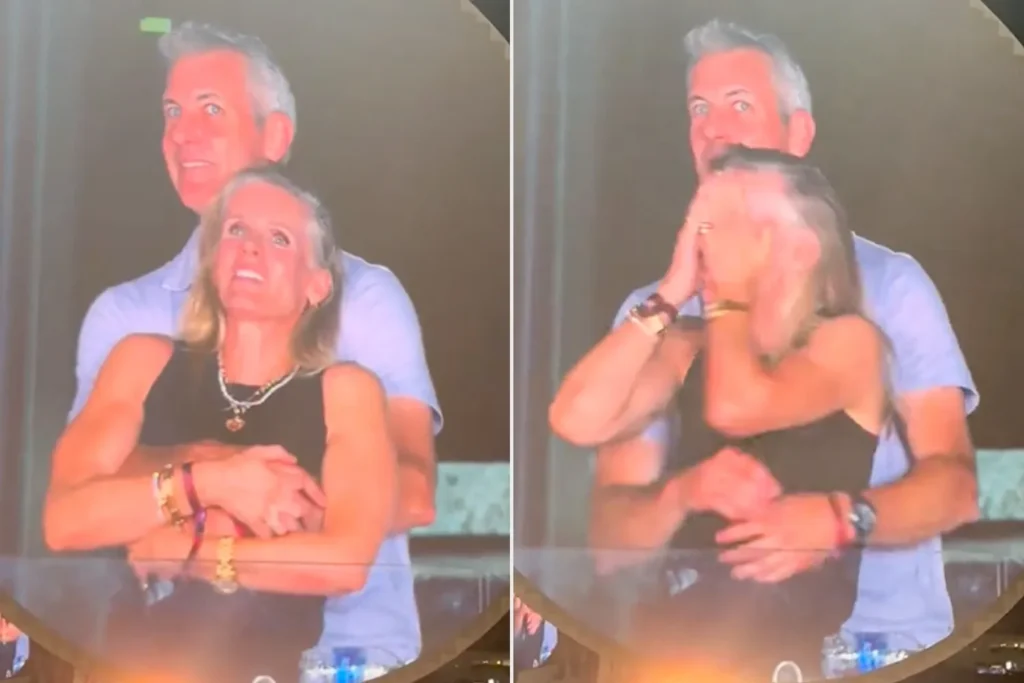
4. Kristin Cabot breaks her silence — her account
Months after the viral moment, Cabot publicly described the episode as a single lapse influenced by alcohol and regret.
She said she had not been in a romantic relationship with Byron and that the aftermath included severe online harassment and threats against her family.
Cabot also explained that, despite being asked to remain, she chose to resign to protect her children and rebuild privacy.
Her comments underline the human consequences that can follow a widely circulated, out-of-context clip.
5. Andy Byron’s status and public appearances since
Byron also stepped away from his role and tendered a resignation that the board accepted during the post-incident review.
Since then, media sightings and social posts have shown Byron in public with his wife, suggesting varying personal paths after the scandal.
Public-facing recovery—whether professional or private—looks different for every figure involved.
6. Personal fallout: family, threats, and privacy harms
Cabot has said her teenage children feared for their safety and that she received a large volume of threatening calls and messages.
That level of harassment prompted her to increase home security and consider long-term career impacts; she described feeling “unemployable” for a time.
The episode highlights how quickly online mobs can escalate private moments into sustained public harm.
It also shows why victims of viral shaming often request privacy and legal protection.
7. Why companies and boards react the way they do
Boards weigh legal exposure, investor confidence, employee morale, and public optics when deciding whether to discipline or remove leaders.
When a story threatens multiple business interests at once, the immediate remedy is often personnel change while an investigation proceeds.
That does not always resolve underlying cultural issues, which require policy updates, clear conduct standards, and consistent enforcement.
For companies, the event is an urgent prompt to review HR policies, social-media training, and executive behavior expectations.


8. Lessons for leaders, employees, and public figures
First: accept that public moments can become viral and prepare accordingly—behavior in public settings matters more than ever.
Second: companies must have protocols for crisis response that balance transparency with due process and compassion.
Third: the public should exercise restraint—share facts, not speculation—and remember that photographed presence is not proof of intent.
10. Closing, resources and disclaimer
The Kristin Cabot–Andy Byron episode is a modern cautionary tale: brief, public incidents can cascade into career and personal crises.
For anyone facing online harassment, contact local law enforcement and document threats; for employers, review crisis and HR protocols immediately.
Disclaimer: This article is written for TrenBuzz and synthesizes contemporary reporting available as of December 18, 2025.
It is informational only, aims to avoid speculation, and does not allege wrongdoing beyond what cited sources report. If you are directly affected by harassment, consult legal counsel or law enforcement.