

Key points
- A man shot by federal immigration agents in Minneapolis on Saturday has died, according to hospital records obtained by the Associated Press.
- The incident occurred near Glam Doll Donuts on Nicollet Avenue and was captured in circulating video that shows a struggle and agents firing at the scene.
- Minneapolis city officials and local police say they are investigating reports of a shooting involving federal officers; state leaders and the governor condemned the use of force.
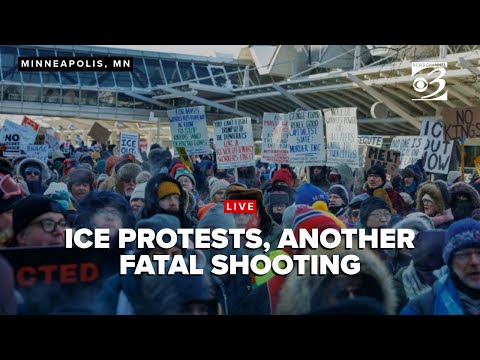
- The episode came amid weeks of intense protests after the fatal ICE shooting of Renee Good on Jan. 7, deepening tensions across the Twin Cities.
What the record shows right now (Minneapolis Man Killed)
A hospital record reviewed by AP lists a 51-year-old man who was shot by federal immigration officers as deceased; officials described the situation as evolving.
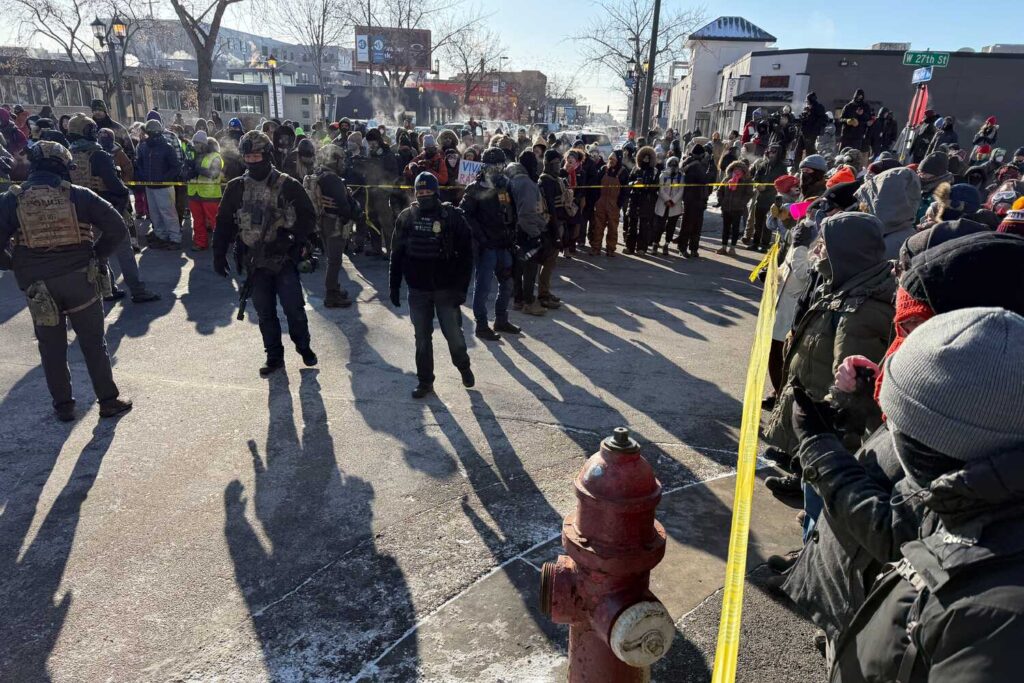
Local authorities have confirmed they were responding to reports of a shooting in the area of 26th Street and Nicollet Avenue and asked the public to avoid the scene.
Video and witness accounts — what’s publicly available
Cellphone and inside-store video circulating on social platforms appears to show federal agents confronting a person near Glam Doll Donuts, with onlookers inside the shop reacting in shock.
Multiple outlets have posted clips or frame grabs; footage has been a focal point for authorities, journalists and protesters seeking clarity about the chain of events.
Federal agencies and local oversight — the jurisdictional tangle
Federal immigration authorities (including ICE and Border Patrol personnel) confirmed an incident involving their officers and said details remain under review.
Minneapolis police and city officials say they are working to confirm facts and preserve evidence while the federal presence complicates investigative access.
Political and community reaction — growing outrage
Minnesota Gov. Tim Walz called the shooting “sickening” and urged the White House to end the federal enforcement operation in the state, arguing the deployment is inflaming violence.
The new death occurred after weeks of marches and a statewide “economic blackout” protest that followed the Jan. 7 killing of Renee Good by an ICE agent, making the city a focus of national debate about federal enforcement tactics.

What reporters and readers should treat as verified vs. unconfirmed
Verified: hospital record reports the man has died; local authorities confirm response to a shooting involving federal agents; video exists that shows a confrontation.
Unconfirmed or disputed: motive, whether the person fired a weapon before being shot (DHS statements and some video frame analyses differ), and exact sequence of events that led to shots being fired — those remain under official review.
How investigations usually proceed in mixed-jurisdiction incidents
When federal officers are involved, investigations can include internal DHS reviews, the FBI (for possible civil-rights inquiries), and local law enforcement fact-gathering; access to evidence and coordination between agencies often becomes a contentious issue.
Citizens and advocacy groups typically press for public release of body-cam or agent-recorded footage and for independent oversight.
Safety and civic guidance for readers near the scene
If you are in the area, follow official public-safety instructions and avoid the immediate scene while investigators work.
If you witnessed the event, preserve footage and consider submitting it to investigators; verified video often plays a crucial role in reconstructing contested incidents.
Short FAQ — quick answers readers want
Has anyone been charged?
No criminal charges have been reported yet; investigations are ongoing and officials say details are still being confirmed.
Is this connected to the Jan. 7 ICE shooting of Renee Good?
The events are separate incidents, but both involve federal agents in Minneapolis and have contributed to sustained protests and political fallout in the city.
Will federal investigators lead the probe?
That is likely: when federal personnel are involved, internal DHS reviews and potential FBI civil-rights probes are common, though local authorities also collect evidence. Coordination is often complex.
Why this matters beyond one headline
Two high-profile incidents involving federal agents in Minneapolis in recent weeks have ignited a broader debate about the tactics, training and oversight of federal enforcement operations deployed to cities.
The outcomes of investigations — and whether prosecutors pursue charges — will shape public trust, legal accountability and the shape of future deployments.
Disclaimer: This article summarizes developing reporting as of January 25, 2026. It aims to consolidate verified facts from multiple outlets and to distinguish those facts from evolving or disputed claims. For official records and the latest updates, consult statements from law-enforcement agencies and primary reporting.