


By TrenBuzz — Special report
Key points
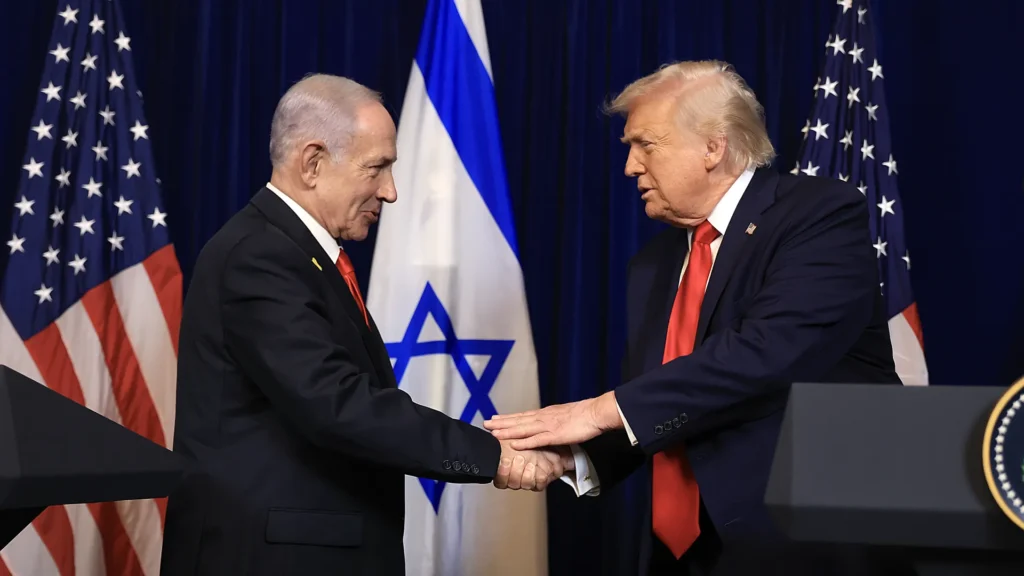
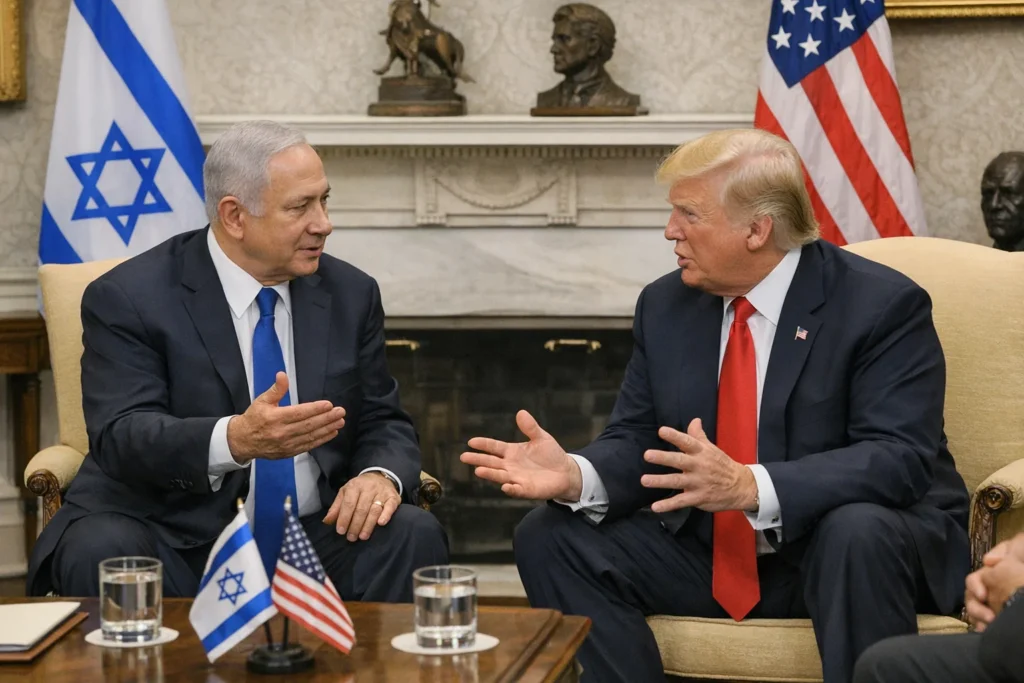
- Israeli Prime Minister Benjamin Netanyahu has moved a planned Washington trip forward and will meet President Donald Trump on Wednesday to discuss U.S. negotiations with Iran.
- The meeting follows fresh rounds of indirect U.S.–Iran talks in Muscat/Oman and recent U.S. diplomatic and military signaling in the region. Netanyahu is pushing for any deal to include restrictions on ballistic missiles and Iran’s support for regional militias.
- Tehran has warned of possible retaliation against U.S. bases if attacked, raising the stakes for Washington and its regional partners. The Netanyahu–Trump meeting is being treated as a high-stakes effort to coordinate strategy and red lines.
Netanyahu to hold urgent meeting with Trump— the short version
With American envoys recently holding talks with Iranian officials, Israel’s leader has expedited a visit to Washington. Prime Minister Benjamin Netanyahu will see President Trump on Wednesday to press Israel’s position: any U.S. breakthrough with Tehran must curb Iran’s missile program and end its support for proxy forces across the Middle East. The meeting lands at a tense moment, with Iranian warnings and mounting regional anxieties elevating the diplomatic risk.
What we know (facts, briefly)
- Netanyahu’s office announced the trip was moved up from February 18 to Wednesday amid the renewed diplomatic activity between the U.S. and Iran.
- U.S. envoys, including Jared Kushner and Steve Witkoff, held talks in Oman with Iran’s foreign ministry officials; the U.S. says talks were “positive,” while Iranian officials publicly expressed deep scepticism.
- Israel’s red lines remain: limits on uranium enrichment are necessary but not sufficient—Netanyahu wants explicit curbs on ballistic missiles and Iran’s support to Hezbollah, Hamas and allied militia groups.
Why the meeting matters
- Coordination on red lines: Israel fears a deal that addresses nuclear limits but leaves missile and proxy capabilities intact. Netanyahu’s visit is meant to synchronize U.S. and Israeli positions before any concrete concessions are made.
- Signal to Iran and to regional partners: A joint U.S.–Israel posture can raise the political and military costs for Tehran if it continues behavior Israel calls destabilizing; it also reassures Gulf partners who worry about any U.S. accommodation.
- Risk management: With Iran publicly threatening strikes on U.S. bases if attacked, talks between allies aim to avoid miscalculation and to prepare contingency options should negotiations fail.

What Netanyahu is likely to press for
- Missile limits and credible verification for any ballistic-missile restrictions.
- End to external meddling: concrete language and enforcement mechanisms to halt Iranian support for proxy groups across Lebanon, Gaza and Syria.
- Security guarantees: tighter security cooperation and contingency plans with the U.S. if Iran does not accept Israel’s demands.
What the U.S. likely needs from Israel
- Realistic negotiating parameters: Washington needs clarity on which Israeli red lines are politically and militarily non-negotiable vs. those that might be phased or traded for other guarantees.
- Intelligence and operational coordination: shared assessments that can inform U.S. leverage and calibrate any punitive or incentive measures.
- Political cover for compromise: if the U.S. seeks a partial deal, it would want Israeli input to shape language that minimizes the appearance of rewarding destabilizing behavior.
Possible scenarios after the meeting
- Tightened joint stance: Netanyahu and Trump agree on hardline conditions, reducing the chance of a quick deal but increasing pressure on Tehran.
- Managed compromise roadmap: Leaders agree short of all Israeli demands but add enforcement or verification steps (inspections, timelines) to limit missile and proxy activity.
- Split strategy: The U.S. pursues a negotiated nuclear package while Israel continues to press for military options and regional deterrence—raising the risk of asymmetric escalation.
What to watch in the coming 72 hours
- Readouts and language: Carefully compare the official statements from the White House and the Israeli PM’s office — every word on “missiles,” “proxies,” “verification” and timelines will be parsed.
- Iran’s immediate public reaction: Tehran’s tone (threatening vs. conciliatory) after the meeting will indicate how it interprets allied unity or division.
- Regional military posture: Watch for naval moves, air patrols or defensive alerts near U.S. bases in the Gulf and the Arabian Sea; such activity signals how close policymakers think the risk is.
Quick FAQ
Q: Is this a surprise visit?
A: The trip was accelerated — previously planned for later this month — reflecting the perceived urgency after recent U.S.–Iran contacts.
Q: Does Israel get a veto over U.S.–Iran talks?
A: No formal veto, but Israel is a key security partner whose objections carry weight; successful diplomacy often requires allied buy-in to be sustainable.
Q: Could this trigger military action?
A: The meeting is primarily diplomatic and aimed at de-escalation; however, hardened positions or failed diplomacy can increase the chance of kinetic options being considered. Close monitoring is required.
Bottom line
Netanyahu’s expedited meeting with President Trump is a classic diplomatic sprint: Israel wants to shape the terms of any U.S.–Iran accommodation, especially on missiles and proxies, while Washington balances outreach to Tehran against allied security concerns. The outcome will help determine whether diplomacy produces enforceable limits on Iran’s regional capabilities — or whether the failure to reconcile red lines could push the region closer to confrontation.