


Key points
- Senate Republicans blocked a Democratic plan to fund most of the Department of Homeland Security while excluding funding for Immigration and Customs Enforcement and Customs and Border Protection, prolonging a partial DHS funding lapse that is already snarling airport security.
- Democrats say they offered a targeted short-term bill to keep agencies like Transportation Security Administration, Federal Emergency Management Agency and the Cybersecurity and Infrastructure Security Agency running — while pressing for reforms to ICE and CBP — but Senate GOP leaders united to block it.
- The impasse has produced mounting airport delays, unpaid TSA staff, and bruising public back-and-forth between the Republican Party and the Democratic Party as lawmakers trade blame.
What happened — the short version (Republicans block bill to fund DHS)
Senate Republicans blocked a Democratic bill that would have funded most DHS functions except Immigration and Customs Enforcement and Customs and Border Protection. Democrats framed the measure as a pragmatic way to keep critical homeland programs running (TSA, FEMA, CISA, Coast Guard and others) while continuing reform fights over enforcement agencies. Republicans argued that partial funding would create an incomplete, confusing posture and pushed for full-department funding instead. The standoff left key DHS components operating without new appropriations and worsened airport staffing and service problems.
Why Democrats proposed the carve-out (and why Republicans opposed it)
Democrats say the carve-out was driven by two pressures: (1) urgent operational needs — TSA screeners and FEMA responders were being squeezed by missed pay and staffing churn — and (2) political accountability over high-profile incidents by ICE and CBP that Democrats want to reform through oversight and conditions. Republicans counter that partial funding would hamstring the department, create legal and logistical confusion, and fail to treat DHS as an integrated security agency. The result is a political and procedural deadlock.

Who said what (quick quotes and posture)
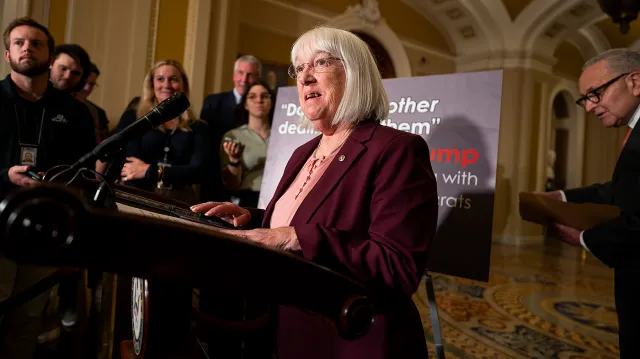
- Senator Patty Murray (lead Democratic appropriator) criticized Republicans for blocking a vote to keep TSA and other front-line functions funded and warned of worsening airport chaos.
- Senate GOP leaders — including Senator John Thune — argued Democrats’ proposal was politically motivated and pledged to pursue full DHS funding while blaming Democrats for delaying agreement.
The operational impact so far
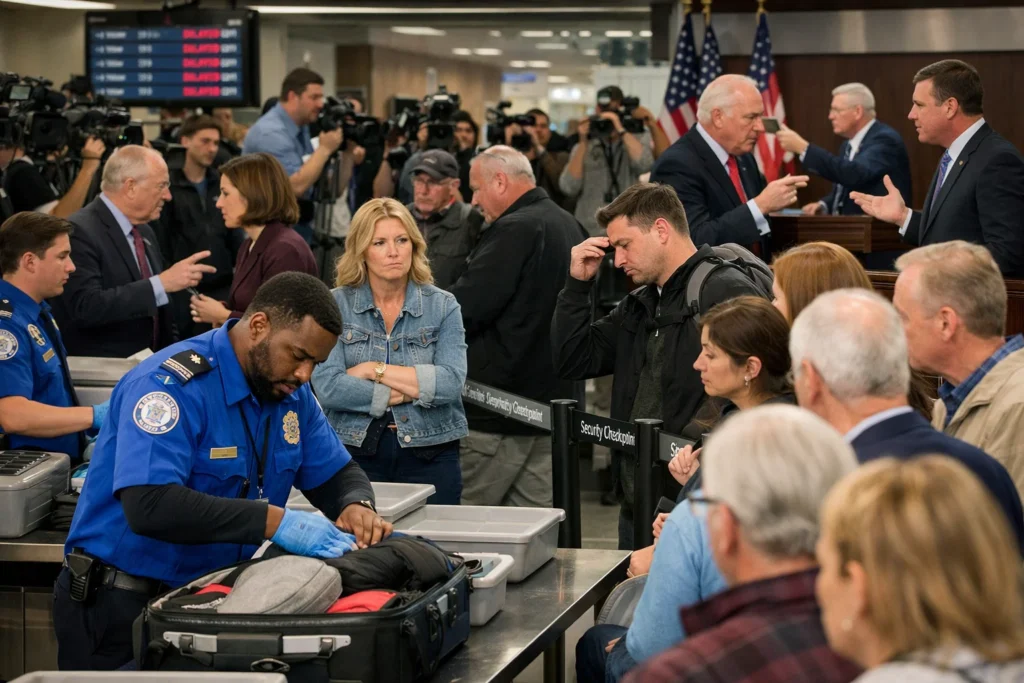
- Air travel: TSA officers have missed paychecks and some airports reported long lines or even short-term checkpoint closures as staffing thinned. That has prompted airports, unions and local officials to press Congress for action.
- Other DHS missions: Agencies that rely on annual appropriations (for example, some FEMA programs and ongoing cyber-security initiatives at CISA) face uncertainty, hiring freezes and delays to contracts and training. The Coast Guard has continued operations but at the cost of deferred maintenance and personnel hardship.
What’s blocking a deal (three mechanics)
- Policy vs. funding tradeoff: Democrats want to attach or secure ICE/CBP reforms before approving open-ended money; Republicans say funding must come first.
- Procedural hurdles: Senate cloture rules and the 60-vote filibuster threshold make it hard to pass either side’s preferred approach without some cross-party compromise.
- External pressure points: The White House’s posture, media attention on airport delays, and events overseas (which can change national-security calculus) all affect floor dynamics.
Why this matters to ordinary people
- Travelers: Expect more delays and the potential for more checkpoint disruptions if TSA pay issues and staffing problems persist.
- Local responders: Some grants and disaster-preparedness programs may be slowed just as severe-weather season and other risks approach.
- Business & supply chains: Continued disruption at ports, airports and border crossings could add friction to supply chains already strained by geopolitical tensions and energy price swings.
What to watch next (signals that will tell you whether the shutdown ends)
- A procedural vote or compromise language from Senate leaders — any motion to package a short-term continuing resolution (CR) or a clean full-DHS funding bill.
- White House action: whether the administration intervenes publicly to broker a deal or proposes conditional spending language.
- Union & industry pressure: coordinated appeals from airport authorities, airlines and first-responder groups can create real political urgency.
- Media & market pressure: escalating airport chaos or market hits (insurance, shipping delays) can prompt quicker compromise.
Bottom line
The Senate standoff — Republicans blocking a Democratic carve-out to fund DHS agencies other than ICE and CBP — has turned a policy fight into an operational problem for travelers, first responders and federal workers. Unless negotiators find a path forward that addresses both immediate operational needs and the broader political questions about immigration enforcement, the partial funding lapse is likely to linger, producing more airport pain and political heat on both parties.