


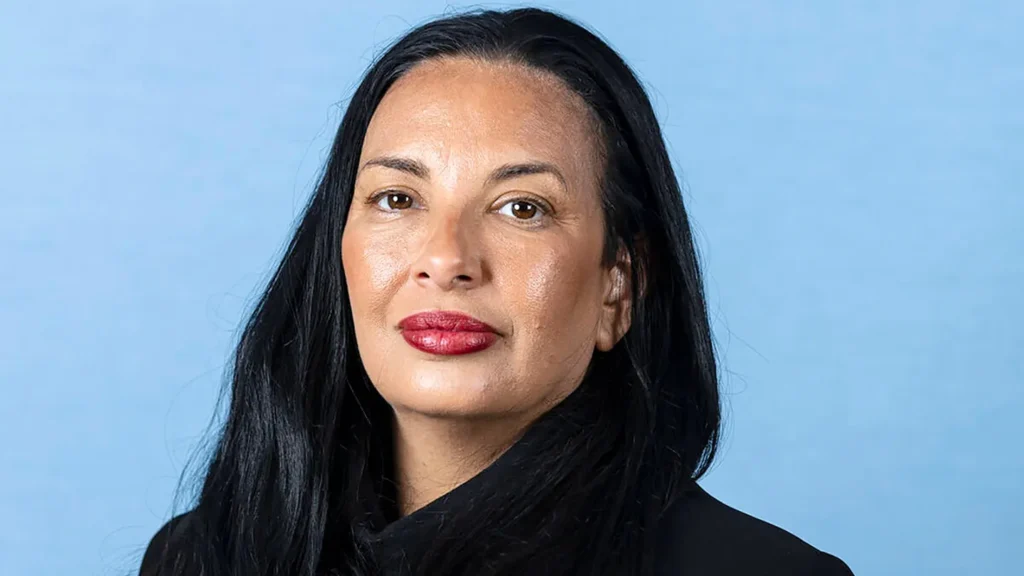
Key Points: Sigal Chattah federal prosecutor disqualification
- Sigal Chattah federal prosecutor disqualification has now been upheld twice, first by a district judge and now by a federal appeals court.
- The Ninth Circuit ruled Monday that Chattah was never legally installed as Nevada’s acting United States Attorney.
- The decision blocks her from supervising three ongoing Nevada criminal prosecutions tied to the original legal challenge.
- Her case joins a growing list of Trump appointed prosecutors nationwide facing identical legal roadblocks this year.
Sigal Chattah Federal Prosecutor Disqualification Explained
Sigal Chattah federal prosecutor disqualification is now official at the appellate level. On Monday, a three judge panel from the Ninth Circuit Court of Appeals confirmed what a lower court already found months earlier.
Chattah cannot legally lead the United States Attorney’s office for the District of Nevada. The ruling strips away any authority she held over a handful of active federal cases in the state.
How Chattah Ended Up In This Position
Chattah first stepped into the role in April 2025 as an interim appointee under President Trump. Federal law only allows an interim United States Attorney to serve 120 days without formal Senate confirmation.
As that deadline approached in July, then Attorney General Pam Bondi tried a workaround. She named Chattah “first assistant” to the now vacant office, a maneuver meant to extend her authority by roughly 210 additional days.
Nevada defense attorneys in multiple criminal cases challenged that move almost immediately, arguing it sidestepped the Senate confirmation process entirely.
What The Courts Actually Decided
In September, U.S. District Judge David Campbell agreed with the defense attorneys. He ruled that the Justice Department’s appointment method was never something Congress intended to allow.
Campbell disqualified Chattah from supervising the specific prosecutions tied to the challenge, though he paused enforcement while the case moved through appeal.
The Ninth Circuit’s newest ruling settles that appeal decisively. Judge Eric Miller, himself a Trump appointee, authored the panel’s opinion affirming that the shortcut used to keep Chattah in place violated the Federal Vacancies Reform Act.
Why This Case Extends Beyond Nevada
This is not an isolated legal defeat for the Justice Department. Similar appointment tactics used to install other Trump aligned prosecutors have already been struck down in New Jersey and elsewhere this year.
That pattern suggests a broader legal vulnerability in how the administration has staffed key prosecutor roles nationwide, relying on procedural workarounds instead of pursuing full Senate confirmation for contested nominees.
Legal analysts following these cases note that courts across ideological lines, including judges appointed by Trump himself, have reached the same conclusion repeatedly.
The Political Backdrop In Nevada
Chattah is a familiar name in Nevada Republican politics. She previously ran unsuccessfully for state attorney general and served as a Republican National Committee official before taking the federal prosecutor role.
Nevada’s Democratic senators have publicly said they intend to block any permanent nomination for Chattah, which effectively locked the administration into relying on temporary appointment strategies in the first place.
That standoff helps explain why the Justice Department kept extending her authority through procedural means rather than pushing a confirmation vote that seemed unlikely to succeed.
What Happens To The Nevada Cases Now
For the three criminal prosecutions directly tied to this ruling, another qualified prosecutor will need to step in to supervise the cases moving forward. The underlying charges themselves are not affected by the ruling.
The Justice Department still has the option to appeal further to the Supreme Court, something it has not pursued in similar cases from other states so far.
Whether Nevada becomes the exception remains an open question, especially with a formal nominee, George Kelesis, already before the Senate for the permanent role.
What This Means Going Forward
For now, the United States Attorney’s office in Nevada operates under a cloud of legal uncertainty. Prosecutors and defense attorneys alike will be watching closely for the next procedural move.
This ruling adds fresh momentum to a broader legal debate over how far any administration can stretch emergency appointment powers before courts step in to draw a hard line.