

► Key Points – Social Security Electronic Benefits Update 2026
- The SSA officially announced on June 2, 2026 that it will complete its full transition to electronic-only payments for all beneficiaries in 2026
- Executive Order 14247, signed by President Trump in March 2025, mandated that all federal benefits must be paid electronically as of September 30, 2025
- As of May 2026, fewer than 281,000 beneficiaries, less than 0.4% of all Social Security recipients, are still receiving paper checks
- Paper checks are 16 times more likely to be lost, stolen, altered, or returned undeliverable than electronic payments
- The average cost to print a paper check is $3.07, roughly 20 times more expensive than processing an electronic transfer
- Recipients can switch to direct deposit or the Direct Express prepaid debit card, which requires no traditional bank account
- Beneficiaries who cannot comply due to disability or lack of banking access can request a waiver through the U.S. Treasury
By TrenBuzz Staff · June 8, 2026 · 4 min read

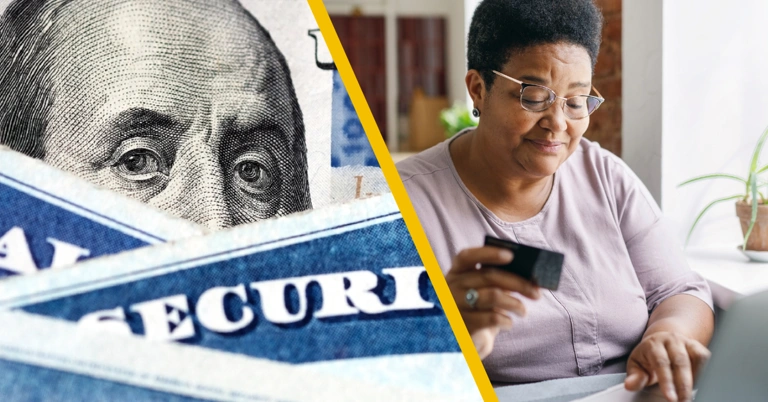
If you or someone you love still receives a Social Security check in the mail each month, this update is urgent. The Social Security Administration posted a formal announcement on June 2, 2026 confirming that the era of paper checks for Social Security and Supplemental Security Income is officially ending this year. The Social Security electronic benefits update 2026 is not a proposal or a pilot program. It is federal law, and the deadline has already passed for most recipients.
Under Executive Order 14247 signed by President Donald Trump in March 2025 and federal statute, all Social Security benefit payments must now be delivered electronically. The SSA is making this the centerpiece of its 2026 modernization push, and the window for switching without disruption is narrowing fast. If you have not yet switched, here is everything you need to know before your next payment date.
Why the Social Security Electronic Benefits Update Matters So Much
The numbers behind this switch are striking. Paper checks are 16 times more likely to be lost, stolen, altered, or returned undeliverable compared to electronic payments, and the average cost to print a single check is $3.07, approximately 20 times more expensive than an automated electronic transfer. Across tens of millions of monthly payments, that inefficiency adds up to hundreds of millions of dollars in avoidable federal spending every year.
The SSA notes that as of May 2026, fewer than 281,000 beneficiaries, less than 0.4% of all Social Security recipients, are still receiving paper checks. That small remaining group is now the focus of the SSA’s final push to complete the transition entirely before the end of 2026. If you are in that group, acting now protects your payments from delay or loss.
The SSA’s blog confirmed that Social Security plans to complete the full transition to electronic payments for all beneficiaries this year, and beneficiaries still on paper checks are strongly encouraged to switch as soon as possible. The administration has made this one of its top efficiency and security priorities under Commissioner Frank Bisignano, who took over the SSA in early 2025 as part of the broader federal government modernization effort.
“Switching now ensures you receive your Social Security or Supplemental Security Income quickly and securely. Paper checks are 16 times more likely to be lost, stolen, altered, or returned undeliverable than electronic payments.”
Social Security Administration Official Blog, June 2, 2026
Your Two Electronic Payment Options Explained Simply
The SSA offers two ways to receive benefits electronically and both are straightforward. The first is direct deposit, where your monthly payment goes directly into your checking or savings account at any bank or credit union, typically available the same day the SSA releases the funds. This is the fastest, most reliable method and requires only a bank account and routing number to set up.
The second option is the Direct Express prepaid debit card, a program run by the U.S. Treasury specifically for federal benefit recipients who do not have a traditional bank account. The card works like any Mastercard debit card and can be used for purchases, ATM withdrawals, and bill payments. It is free to enroll and there are no monthly fees for the basic service tier, making it accessible for recipients without traditional banking relationships.
To switch to direct deposit, log into your account at ssa.gov or call the SSA helpline at 1-800-772-1213, available Monday through Friday from 8 a.m. to 7 p.m. local time. To sign up for the Direct Express card, call 1-800-333-1795. Both methods can be set up without visiting a Social Security office in person, which is important for elderly or disabled beneficiaries who have limited mobility.
What If You Cannot Switch: The Waiver Option
The SSA and U.S. Treasury have acknowledged that not every beneficiary can make this switch without assistance. Some recipients face cognitive or mental health challenges that make managing electronic accounts difficult. Others live in remote areas with limited banking infrastructure. For these individuals, a formal waiver process exists that allows continued paper check delivery under specific documented circumstances.
Beneficiaries who believe they qualify for a waiver can contact the Treasury Electronic Payment Solution Center at 1-855-290-1545 to discuss their individual situation and apply for an exception. The SSA has emphasized that no one in genuine need will be cut off from their benefits. But the waiver must be formally requested and approved. Simply continuing to receive paper checks without applying is not an option as the SSA completes the transition.
For recipients whose payments are late or do not arrive as expected after switching, the SSA advises waiting three additional business days, as banks sometimes delay posting even after the SSA releases funds, and logging into the my Social Security portal at ssa.gov/myaccount to verify payment status before calling the helpline. Report a missing payment only after that three-business-day window has passed, as the SSA will not investigate sooner.
June 2026 Payment Dates: When to Expect Your Money
For the approximately 99.6% of recipients already on electronic payments, the June 2026 payment schedule is straightforward. Payments for June 2026 are issued on the 10th, 17th, or 24th of the month, depending on the recipient’s birth date. Those born between the 1st and 10th receive benefits on the second Wednesday, those born between the 11th and 20th on the third Wednesday, and those born between the 21st and 31st on the fourth Wednesday.
SSI recipients receive their payments on the first of each month, with adjustments made when the first falls on a weekend or federal holiday. It is also worth noting that Social Security benefits are paid one month in arrears, meaning the payment received in June 2026 covers the May 2026 benefit period. This is a consistent feature of the system that sometimes confuses newly enrolled beneficiaries who expect payment for the current month.
With the Social Security electronic benefits update 2026 now in its final phase, the SSA is urging every remaining paper check recipient to act before their next scheduled payment date. The system has been built to make switching simple and the SSA has helplines, online tools, and in-person offices available to walk every recipient through the process at no cost.
🔗 Also Read: https://trenbuzz.com/how-to-apply-social-security-benefits/
Disclaimer: This article is intended for informational and news reporting purposes only. Content is based on publicly available information sourced from the Social Security Administration official blog, NerdWallet, Legal United States, and ECIKS as of June 2 to 8, 2026, and does not constitute financial, legal, or benefits advice. Phone numbers and procedures referenced are sourced from official SSA communications and are subject to change. TrenBuzz.com is not affiliated with the Social Security Administration or the U.S. Treasury. Always verify current SSA guidance directly at ssa.gov. Content is produced in compliance with Google AdSense publisher policies.