



Michael and Susan Dell have pledged a landmark $6.25 billion to seed and encourage millions of the new government-backed Trump accounts for kids.
Their gift is being billed as one of the largest philanthropic pushes tied to a federal savings program for children.
This article explains who the Dells are, what the Trump accounts do, how the donation will work, the arguments for and against the plan, and practical steps families can take next.
Read this clear, step-by-step brief to understand the headlines and the real-world effects on families.
Quick snapshot — the headline facts
Michael and Susan Dell pledged $6.25 billion to contribute roughly $250 each to 25 million U.S. children’s accounts as a complement to the federal $1,000 deposit.
The federal program (often called “Trump accounts” in coverage) gives $1,000 to eligible children born within specified years and encourages long-term investing.
Who are Michael and Susan Dell?
Michael Dell is founder and CEO of Dell Technologies; Susan Dell runs the Michael & Susan Dell Foundation, a long-standing philanthropic entity focused on education and family economic stability.
Their foundation has a history of large-scale grants aimed at reducing opportunity gaps for children.
What exactly are “Trump accounts for kids”?
The program establishes government-backed investment accounts for children born in a designated window, seeded by a one-time federal deposit.
Accounts are structured to encourage long-term investing for education, housing, job training, or starting a business at adulthood.

How the Dell gift fits in
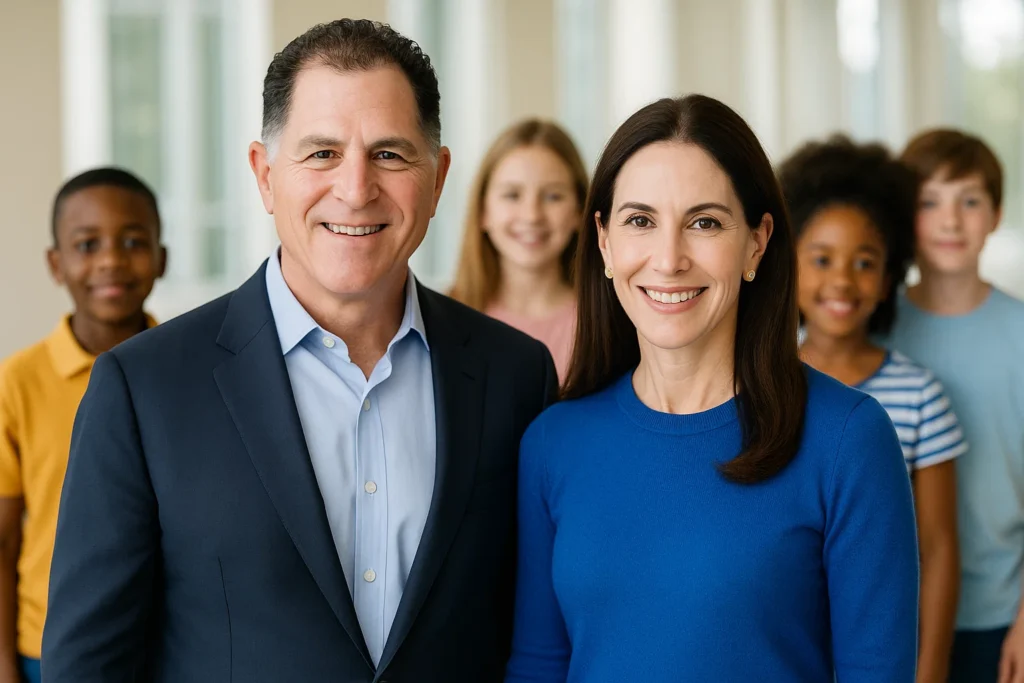
The Dells’ pledge adds private funding to the national rollout, effectively topping up many families’ accounts to boost early participation.
Philanthropic top-ups — especially when scaled across ZIP codes — are intended to make the program more attractive to lower-income families who might otherwise not enroll.
Why supporters applaud the move
Proponents say seed money reduces inertia and nudges families toward long-term saving behavior, narrowing the wealth gap across generations.
When an immediate, visible balance exists, behavioral economics suggests households are more likely to keep and grow that account.
Key criticisms and policy concerns
Critics warn that a one-time account doesn’t replace sustained safety nets like targeted child tax credits or welfare supports.
Others worry that tying childhood savings to market investments exposes vulnerable families to market volatility decades before payout.
How the accounts will likely be administered
The Treasury will oversee program rules while private custodians and asset managers operate the investment windows.
Regulation will cover eligibility, contribution limits, permissible investments, and withdrawal rules when recipients turn 18.
What this means for families — plain guidance
If your child is eligible, the account will be opened in their name and start with the federal deposit; donor top-ups like the Dell pledge may appear as program incentives.
Families should learn the account’s fees, investment options, and restrictions before relying on it for future bills.
What philanthropies and employers could do next
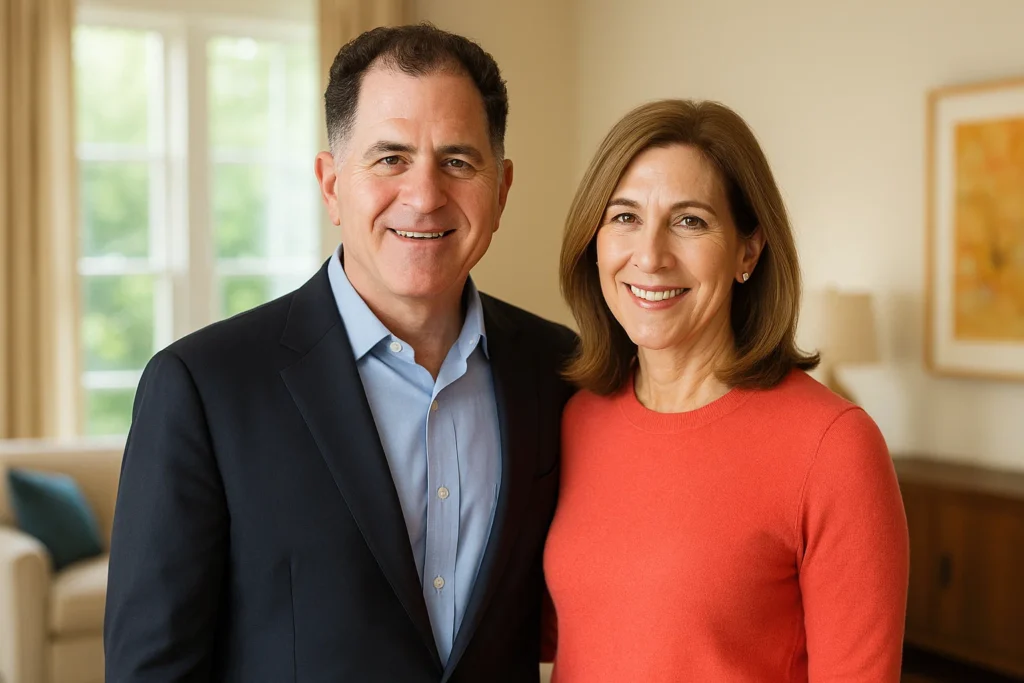
Large gifts can be directed by ZIP code, school district, or demographic focus, creating local “opt-in” campaigns that raise awareness.
Employers and community groups could match contributions or offer financial education alongside account enrollment to maximise long-term benefits.
Market and social impacts to watch
The Dell pledge intensifies public-private partnerships in social policy and may prompt other donors to fund account top-ups.
Watch how participation rates change in targeted communities and whether donations translate into sustained savings behavior.
Quick FAQ — short answers
Q: Who’s eligible for a Trump account?
A: Children born in the program’s eligible window (as defined by law); parents or guardians typically register accounts.
Q: Can funds be withdrawn early?
A: The rules limit uses until adulthood, usually allowing withdrawals at 18 for specified purposes; check the official plan rules for details.
Q: Does this replace other child benefits?
A: No — it’s designed as a complement, not a replacement, though critics argue policy trade-offs exist.
Do you support private donors topping up government ‘Trump accounts for kids’?
Bottom line — measured takeaways
The Dells’ $6.25 billion pledge turns a policy idea into immediate dollars for millions of children and signals strong philanthropy-policy alignment.
Whether the move produces long-term wealth mobility depends on enrollment, account design, education, and complementary social policies.
Disclaimer: This piece is informational and not financial or legal advice.
For detailed eligibility, tax implications, and enrollment procedures, consult official program materials and a licensed financial professional.