


Published by TrenBuzz.com | April 17, 2026
Key Points at a Glance
- President Trump claimed on April 16, 2026 that Iran has agreed to hand over its stockpile of highly enriched uranium — which he calls “nuclear dust.”
- The uranium is buried deep underground following US B-2 bomber strikes on Iran’s Fordow and Natanz nuclear facilities.
- Trump declared both sides are “close” to a full peace deal to end six weeks of war.
- Iran has not publicly confirmed the concession as of this writing.
- The US has sought a 20-year suspension of Iran’s uranium enrichment; Iran has proposed just 5 years — a key gap.
- Iran’s foreign ministry insists its right to enrich uranium is “indisputable” — though the level is “negotiable.”
- The US naval blockade has already turned back 13 vessels from Iranian ports.
- The two-week ceasefire expires Tuesday, raising the stakes dramatically.
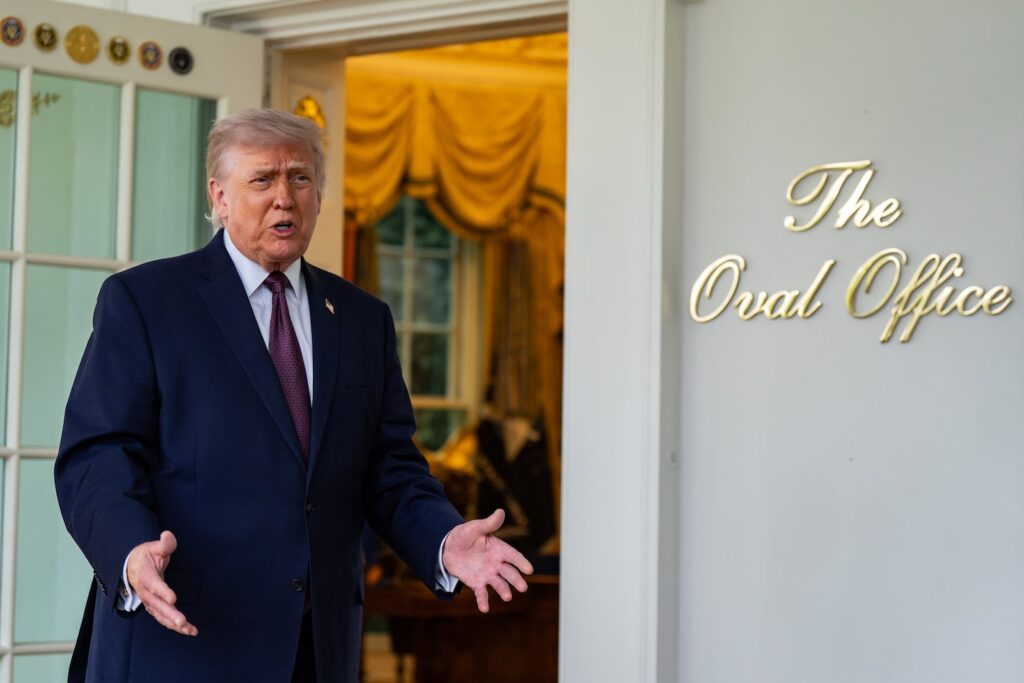
Trump Claims Iran Just Agreed to Hand Over Its Nuclear Dust: In a stunning claim that sent shockwaves through diplomatic circles, President Donald Trump stepped onto the South Lawn of the White House Thursday and delivered what could be one of the most consequential statements of his presidency.
Trump told reporters: “Iran does not have a nuclear weapon, and they’ve agreed to that. Iran’s agreed to that, and they’ve agreed to it very powerfully. They’ve agreed to give us back the nuclear dust that’s way underground because of the attack we made with the B-2 bombers.”
What Is “Nuclear Dust” — And Why Does It Matter?
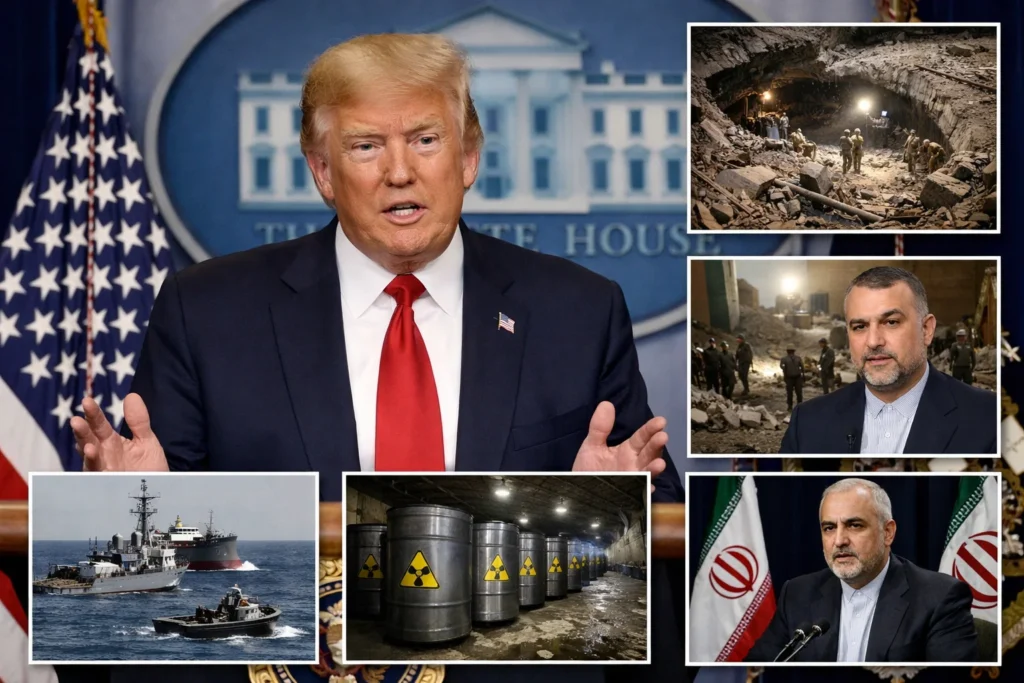
“Nuclear dust” has been Trump’s phrase to describe the highly enriched uranium that is believed to be buried deep underground following US strikes in June on the Fordow and Natanz nuclear facilities.
The enriched uranium has been a serious security concern for the United States, because the material could be used in service of creating a nuclear weapon. Before the ceasefire, Trump had requested that the US military devise a plan for a highly risky raid to fly into Iran and recover the radioactive material without Iran’s agreement.
If Iran follows through, it would eliminate one of the world’s most dangerous nuclear stockpiles — and give Trump an unambiguous victory claim.

Trump’s Confidence — And the Critical Caveat
Trump told reporters at the White House: “They’ve agreed to give us back the nuclear dust. There’s a very good chance we’re going to make a deal.”
There was no immediate confirmation from the Iranian side that it had made the concession in talks with Americans and their Pakistani interlocutors as the two-week ceasefire nears its expiration Tuesday.
Previous US claims about Iranian nuclear commitments have turned out to be inaccurate or have fallen through — a fact that analysts are keeping front of mind.
The Enrichment Gap — Where Talks Could Still Break Down
Washington has reportedly sought a 20-year suspension of Iran’s uranium enrichment programme, while Tehran has proposed suspending nuclear activity for five years — an offer US officials rejected.
Tehran insists its nuclear programme is for civilian purposes. Its foreign ministry said Wednesday that Iran’s right to enrich uranium was “indisputable,” although the level of enrichment was “negotiable.”
That gap — 20 years vs. 5 years — remains the single biggest obstacle standing between a deal and renewed military strikes.
The Blockade Is Working — And the Clock Is Ticking
The US naval blockade of Iran’s ports has intensified pressure on Tehran, with US Central Command claiming to have “completely halted economic trade going into and out of Iran by sea.” CENTCOM said it had already turned back 13 vessels.
The United States had earlier threatened to resume airstrikes on Iran and maintain the naval blockade of its ports if Tehran refused to accept a deal to solve the conflict that broke out on February 28.
What This Would Mean — If It Holds
If Iran really has agreed to surrender its nuclear material, that would explain why Israel has also agreed to a ceasefire in Lebanon. The nuclear threat is Israel’s highest priority, and if Trump and the US have ended that threat, Israel could afford to take a break from its Hezbollah campaign to help secure the agreement.
If confirmed, the reported agreement would represent a major diplomatic breakthrough, addressing core US concerns over Iran’s nuclear capabilities while potentially easing regional tensions. However, key questions remain around verification, enforcement, and the exact terms of the deal.
The world is now watching one phrase — “nuclear dust” — and wondering whether it marks the beginning of the end of the most dangerous conflict of 2026, or just another headline that unravels by morning.
Disclaimer: This article is for general informational and news reporting purposes only. All claims, quotes, and facts referenced are based on publicly available and credible news sources as of April 17, 2026. Iran has not officially confirmed the nuclear concession described by President Trump as of publication. TrenBuzz.com does not make independent assessments of diplomatic or military claims. Readers are encouraged to follow official government and credible international news sources for real-time updates.