


Key points
- Newly released DOJ documents in the Epstein files have put fresh scrutiny on Donald Trump’s past interactions and public statements — sparking renewed media, congressional and public interest.
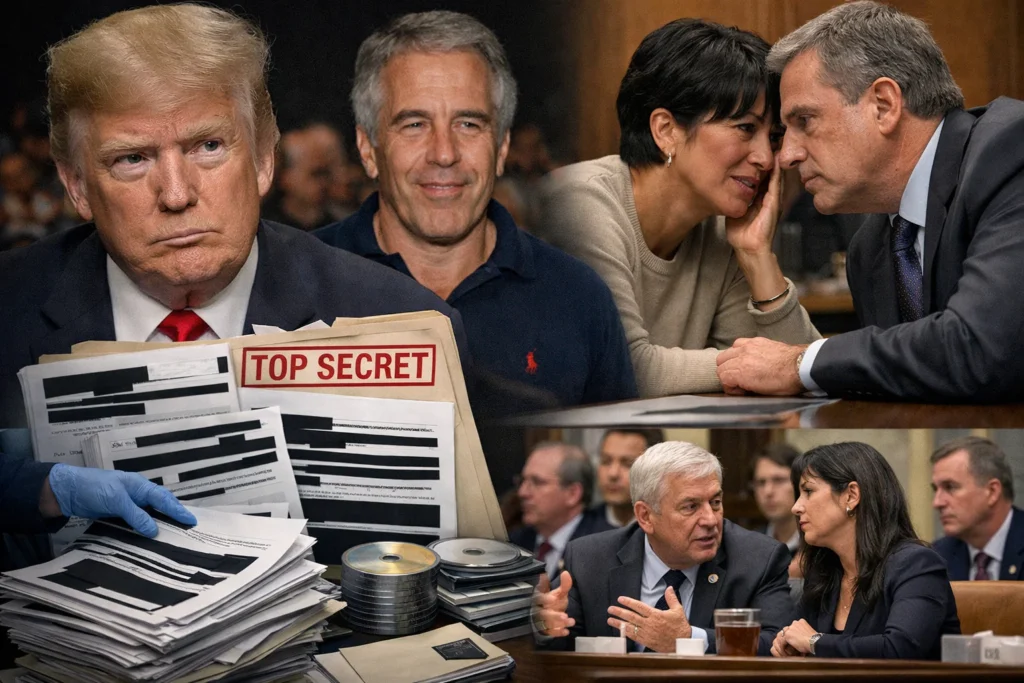
- The U.S. Department of Justice’s rolling release totals millions of pages, images and videos, and officials say many pages are heavily redacted to protect victims — but portions reference public figures and earlier interviews.
- Among the notable items: an FBI interview summary and other documents that describe Mr. Trump telling a local official he was “thankful” Epstein was stopped — details that political critics and defenders interpret very differently.
- Ghislaine Maxwell’s attorney has also made headlines by offering information in exchange for clemency — a move that adds another layer of scrutiny and skepticism from legal observers and survivors’ advocates.
- The DOJ has defended its redactions and the way names were listed in the released files to Congress, but lawmakers from both parties remain critical and want clearer context.
Trump faces Epstein file scrutiny — what you need to know now
A fresh wave of documents from the Justice Department’s release of the so-called Epstein files has reignited public and congressional scrutiny of people who appear in those records. The disclosure — a legally compelled, rolling publication of millions of pages, photos and videos — is re-opening questions about who knew what and when, and how public officials responded to allegations surrounding Jeffrey Epstein.
Importantly: appearing in a file or photograph is not the same as being accused of a crime. Many names in the trove appear as social acquaintances, incidental mentions or in third-party materials — a fact the DOJ repeatedly points out as it balances transparency with privacy and victim protection. Still, selective excerpts and unredacted fragments are fueling headlines, political attacks and calls for more context.
What the documents show (short summary)
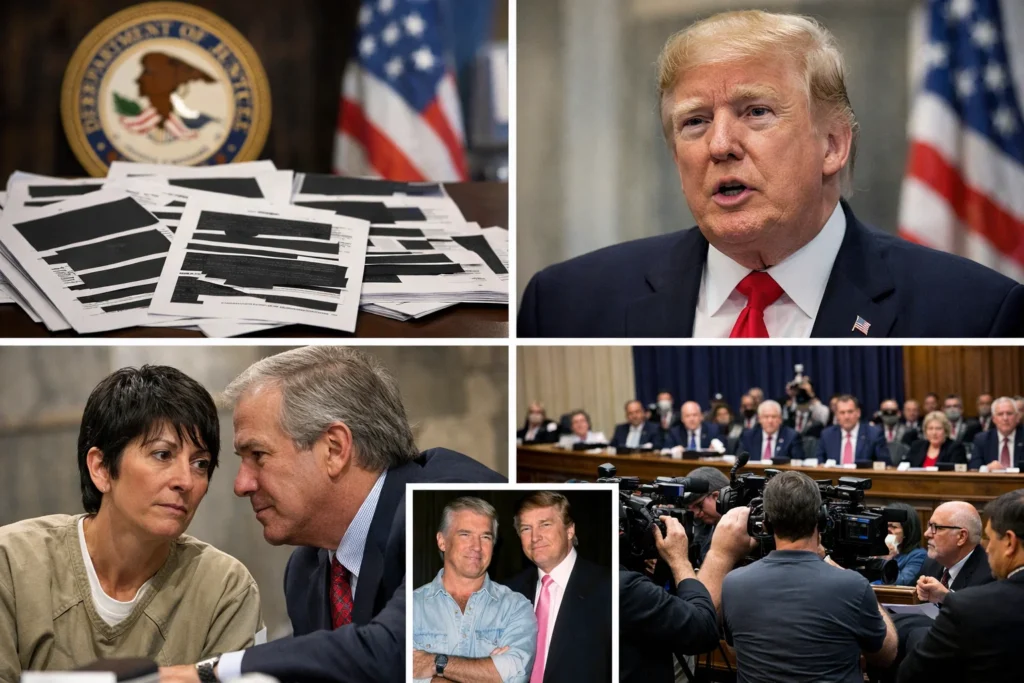
- Scale: The DOJ said the release includes more than 3 million pages, ~2,000 videos and ~180,000 images, a volume that requires staged redactions and staggered publication.
- Specific items drawing attention: Among the materials are an FBI interview summary and contemporaneous notes that reference Mr. Trump expressing he was “thankful” law enforcement had stopped Mr. Epstein — an item that critics say undercuts claims of ignorance while defenders say it reflects condemnation. Reporters who reviewed parts of the files highlight that context matters; isolated lines don’t prove intent or knowledge of criminal conduct.
- Political fallout: The files have triggered congressional letters, local political confrontations and public debate over how the government redacted names and whether the released fragments fairly represent events. The DOJ has sent letters defending its redactions and the way names were catalogued.

Why this matters (policy, politics, public trust)
When a massive document release intersects with living public figures, two forces collide: legal caution (protect victims and avoid premature accusation) and political pressure (demand for accountability). The balance affects:
- Survivors’ privacy and safety — unredacted images or identifying details can re-traumatize victims.
- Public accountability — voters and lawmakers want clarity on whether public figures facilitated, ignored, or confronted wrongdoing.
- Rule of law and due process — appearing in a file is not a conviction; courts and investigators must do the work.
Those competing priorities explain why DOJ officials emphasize redactions even as lawmakers push for faster, fuller disclosure.
What reporters and watchdogs are focusing on now
- Verification: Journalists are cross-checking names, timestamps and metadata against other records and interviews before publishing allegations.
- Context: Reporters seek corroboration — who else knew, when interviews occurred, and whether documents are hearsay or first-hand evidence.
- Survivor voices: Advocacy groups stress centering survivors and resisting sensationalism that harms victims or misleads the public.
Quick Q&A
Q: Do the files accuse Mr. Trump of a crime?
A: No. The released documents include references, photos and interview notes; they do not in themselves equal an indictment. Legal authorities must evaluate whether evidence supports charges.
Q: What’s Ghislaine Maxwell’s role in this renewed scrutiny?
A: Ghislaine Maxwell is a central figure: convicted in 2021 for her role in Epstein’s abuse network, her lawyers have floated providing information in exchange for clemency — a proposal that legal experts and survivors’ advocates view skeptically. That dynamic has intensified interest in the newly released materials.
Q: Why did DOJ redact so much?
A: DOJ officials say redactions protect survivors, ongoing investigations and sensitive national-security material; critics argue some redactions obscure politically sensitive information. Congress is pressing the department for clearer explanations.
Bottom line
The DOJ’s massive release of Epstein-related records is a public-records catchup: it provides raw material but not finished narratives. For readers: treat early headlines as starting points, not final verdicts. Demand documented sourcing, center survivor privacy, and expect the story to evolve as investigators, journalists and courts do their work.
Disclaimer: This article summarizes publicly released documents and reporting. It does not assert guilt or innocence. For legal conclusions, consult official statements from investigators and courts.