


Key points
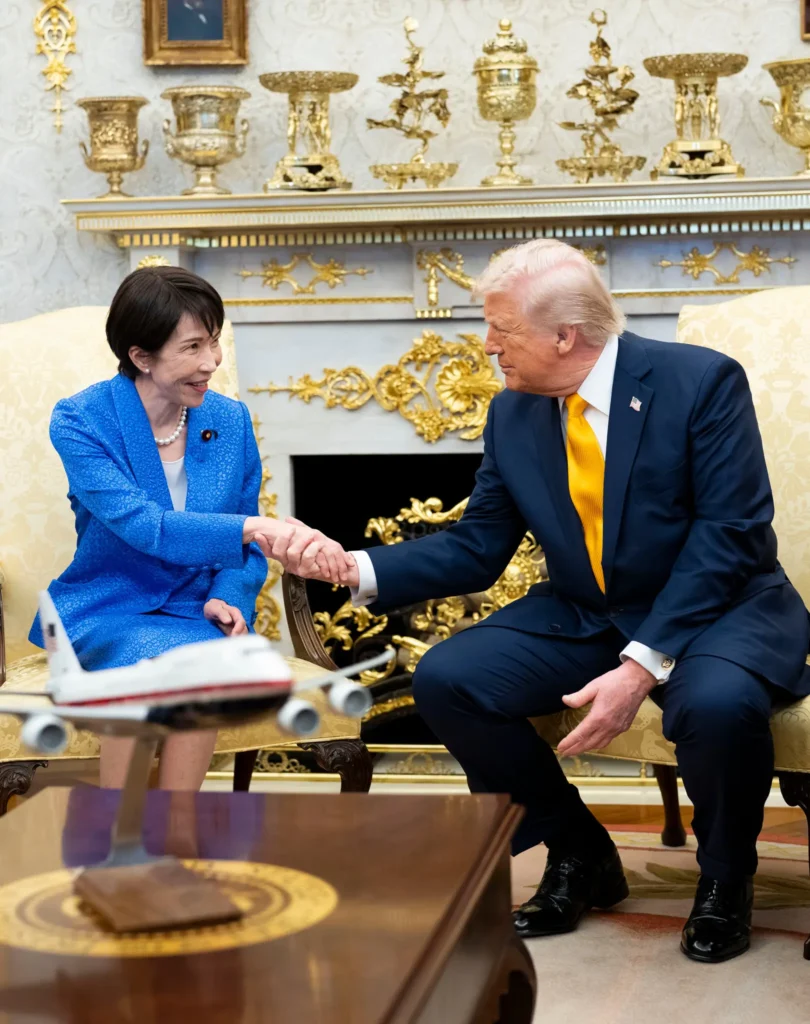
- President Donald Trump compared U.S. strikes on Iran to the Pearl Harbor attack while meeting Japanese Prime Minister Sanae Takaichi in Washington on March 19, 2026.
- The remark immediately pulled Trump Japan, Trump Japanese Prime Minister, and Japan prime minister searches into the spotlight.
- Takaichi, Japan’s current leader, is navigating a delicate balance between alliance politics, constitutional limits, and public sensitivity around Pearl Harbor.
- The conversation is bigger than one quote: it sits inside a wider U.S.-Japan debate over Iran, energy security, and regional defense coordination.
A remark that instantly turned into a global headline
The phrase trump pearl harbor comment is trending for a reason. During a White House meeting with Japanese Prime Minister Sanae Takaichi, Trump defended the secrecy of U.S. strikes on Iran by referring to Japan’s surprise attack on Pearl Harbor in 1941.
That comparison was made in front of the Japanese prime minister, and Reuters reported that it visibly unsettled Takaichi. In Japan, the reaction was mixed: some treated it as a political joke, while others saw it as a painful reference to a deeply sensitive national memory.
Why Pearl Harbor still matters in 2026
The Pearl Harbor attack is not just a history lesson; it remains one of the most emotionally loaded events in modern U.S.-Japan relations. Reuters noted that the 1941 surprise strike pulled the United States into World War II and remains a defining trauma in Japanese memory as well.
That is why any mention of Pearl Harbor by a U.S. president, especially in a live summit with the Japan prime minister, gets amplified instantly. The words may have been spoken in a geopolitical context, but the historical echo was impossible to ignore.

Who is Sanae Takaichi?
For readers searching sanae takaichi or japanese prime minister, the current answer is straightforward: Sanae Takaichi is Japan’s prime minister and the central figure in this Trump-Japan moment. Reuters and AP both identified her as the leader meeting Trump in Washington this week.
Her task is unusually difficult. She is trying to preserve Japan’s alliance with the United States while respecting Japan’s constitutional limits on military activity abroad, especially as Washington presses allies to help secure the Strait of Hormuz amid the Iran crisis.
What Trump was trying to communicate
Trump’s broader message was about burden-sharing. Reuters reported that he urged Japan and NATO to “step up” as the Iran conflict pushed oil prices higher and the White House sought more support from partners.
That is the wider context behind searches like trump japan pearl harbor, trump japan, and trump japanese prime minister. The comment was not a standalone line; it was part of a harder conversation about war, energy, and allied support.
Why the remark landed so differently in Japan
In the U.S., some listeners interpreted the line as Trump-style improvisation. In Japan, the reaction was shaped by history and protocol, which is why the same sentence carried a different emotional weight. Reuters reported that some Japanese observers laughed it off, while others found it uncomfortable.
That split explains why the phrase trump pearl harbor comment is drawing so much attention on social platforms and news feeds. It sits at the intersection of diplomacy, memory, and modern crisis politics.
The summit was about more than one quote
AP reported that Takaichi and Trump also discussed broader alliance issues, including energy, defense, and Japan’s role in stabilizing the Middle East. Their meeting included a major nuclear reactor deal and additional security coordination discussions.
Reuters also reported that Japan is considering ways to support energy security, including stockpiling U.S. oil domestically, while balancing its own legal constraints. That makes Trump Japan a story about policy, not just personality.
What readers should watch next
The next developments are likely to come from three places: Washington, Tokyo, and the energy/security fallout from the Iran war. Reuters reported that Japan has not committed to a Hormuz escort mission, and Takaichi has said Tokyo is still evaluating options within constitutional limits.
Also worth watching is how both governments manage the optics. A single phrase can become a diplomatic headline, and in this case the Pearl Harbor attack reference ensured that the summit would be remembered for more than policy discussions.
The bottom line
The reason this story spread so quickly is simple: it combined a live summit, a sensitive historical reference, and a high-stakes geopolitical crisis. That makes Trump Pearl Harbor more than a headline — it is a snapshot of how quickly history can re-enter modern diplomacy.
Disclaimer: This article reflects reports available as of March 2026. It is intended for informational use and may evolve as more official statements and coverage emerge.