


Key Points: Trump Red Dye Diesel Order
- Trump red dye diesel order signed Monday night lets anyone buy tax-exempt off-road diesel for highway use through the end of 2026.
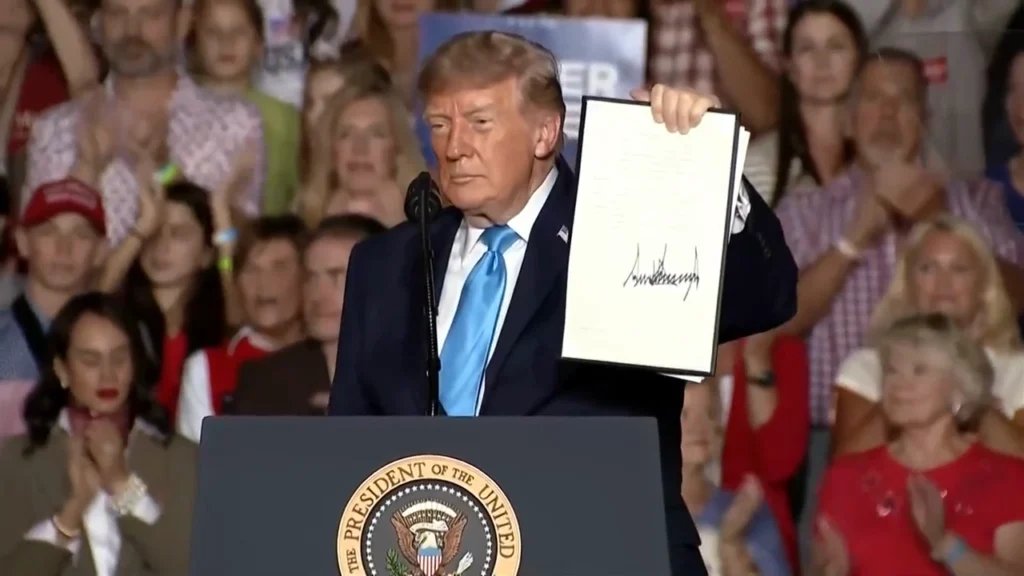
- Donald Trump announced the move at a Nebraska rally, claiming it would lower costs on groceries and everyday goods nationwide.
- The order defers the federal diesel tax rather than eliminating it, meaning truckers and farmers still technically owe that money later.
- GasBuddy’s own head petroleum analyst called the move “not really a needle-mover” given how small the actual tax savings are.
Trump Red Dye Diesel Order Targets A Real Problem With A Surprisingly Small Fix
Trump red dye diesel policy became official Monday night, signed during a campaign style rally in Grand Island, Nebraska, a state hit especially hard by this year’s diesel price surge. The timing and location were clearly no accident.
Diesel prices have climbed sharply this year, reaching $6.38 a gallon nationally as of late September, up a striking $2.62 from the same point last year, according to U.S. Energy Information Administration data.
What Red Dye Diesel Actually Is
Here’s the basic mechanics worth understanding clearly. Diesel fuel gets taxed differently depending on its intended use. Regular highway diesel used for long haul trucking carries both federal and state excise taxes built into every gallon sold.
Off-road diesel, used for farm equipment, construction machinery, and similar non-highway purposes, is typically sold tax-free instead, dyed red specifically so law enforcement and regulators can visually identify illegal highway use and issue penalties accordingly.
Trump’s order temporarily waives that restriction, allowing anyone to legally purchase the cheaper red dyed diesel for highway use through December 31, without facing the usual penalties tied to using off-road fuel on public roads.
The Detail Most Coverage Is Glossing Over
Here is where this story gets genuinely more complicated than the celebratory framing suggests. The order doesn’t actually eliminate the federal diesel tax, it defers payment on it, interest and penalty free, through the end of the year.
The White House fact sheet goes further, stating officials will “explore pathways to eliminate the obligation to pay the deferred taxes” entirely, language that signals intent rather than an actual guaranteed tax cut truckers and farmers can count on right now.
That distinction matters enormously for anyone trying to understand their real savings. Until that exploration produces an actual policy change, the deferred tax technically remains owed, just not immediately due.
Why Experts Are Skeptical This Moves Prices Much
Patrick De Haan, head of petroleum analysis at GasBuddy, offered a blunt assessment that stands in sharp contrast to the White House’s framing. He described the order plainly as “not really a needle-mover” for actual diesel prices nationwide.
That skepticism makes sense once you consider the scale of what’s actually driving this year’s price surge. Multiple overlapping supply pressures, not a simple tax structure issue, appear to be the real story behind diesel’s dramatic cost increase.
The Bigger Supply Story Behind This Crisis
Diesel prices have spiked specifically in the aftermath of the broader Iran war, alongside continued Ukrainian strikes on Russian refineries aimed at squeezing the Kremlin’s energy revenue, a conflict dynamic Trump has directly blamed for pushing diesel costs higher.
China has also been holding back fuel exports to protect its own domestic supply, adding further pressure to already tightened global diesel markets heading into the colder months when demand typically rises anyway.
In response, G7 nations separately announced plans to release 100 million barrels of oil and diesel fuel from reserves, with a substantial portion moving within 20 days and the remainder phased in across roughly four months.
How This Fits Trump’s Broader Energy Strategy
This isn’t an isolated move either. It builds on Trump’s August announcement of what the White House has called the largest oil deal in world history with Venezuela, securing access to 65 billion barrels aimed at expanding America’s overall oil reserves.
Taken together, these moves represent a multi front approach to an affordability problem that stems largely from global supply dynamics outside any single executive order’s ability to fully control.
What Comes Next
Republicans largely celebrated the order online following Monday’s signing, framing it as decisive action on a genuine cost of living concern affecting truckers and farmers nationwide heading into the holiday shipping season.
Whether the order meaningfully lowers prices at the pump remains the real open question, one that expert analysis so far suggests may fall short of the dramatic relief the announcement itself promised.
The Bottom Line
Trump red dye diesel policy addresses a real affordability problem with a notably modest tool, a temporary tax deferral layered onto a price crisis driven mostly by forces well beyond domestic fuel tax policy.
Trenbuzz will continue tracking diesel prices as this order takes effect through the end of 2026.