


Key points
- Donald Trump says the U.S. military campaign against Iran was “ahead of schedule,” with an initial timeline of about four to five weeks but the operation “could go far longer.”
- Mr. Trump outlined narrow, kinetic objectives — degrading Iran’s missile and naval capabilities, disrupting/denying nuclear pathways, and weakening its support for regional proxies — while stopping short of a stated aim of immediate regime change.
- U.S. forces have conducted strikes on Iranian military infrastructure and leadership targets; reporting indicates U.S. casualties and continued Iranian counter-attacks across the region.
- Officials and analysts warn the timeline, goals and messaging have shifted publicly over days, creating uncertainty about escalation risk and political costs at home and with allies.
Trump Updates Iran Military Operation— what Trump just said, simply
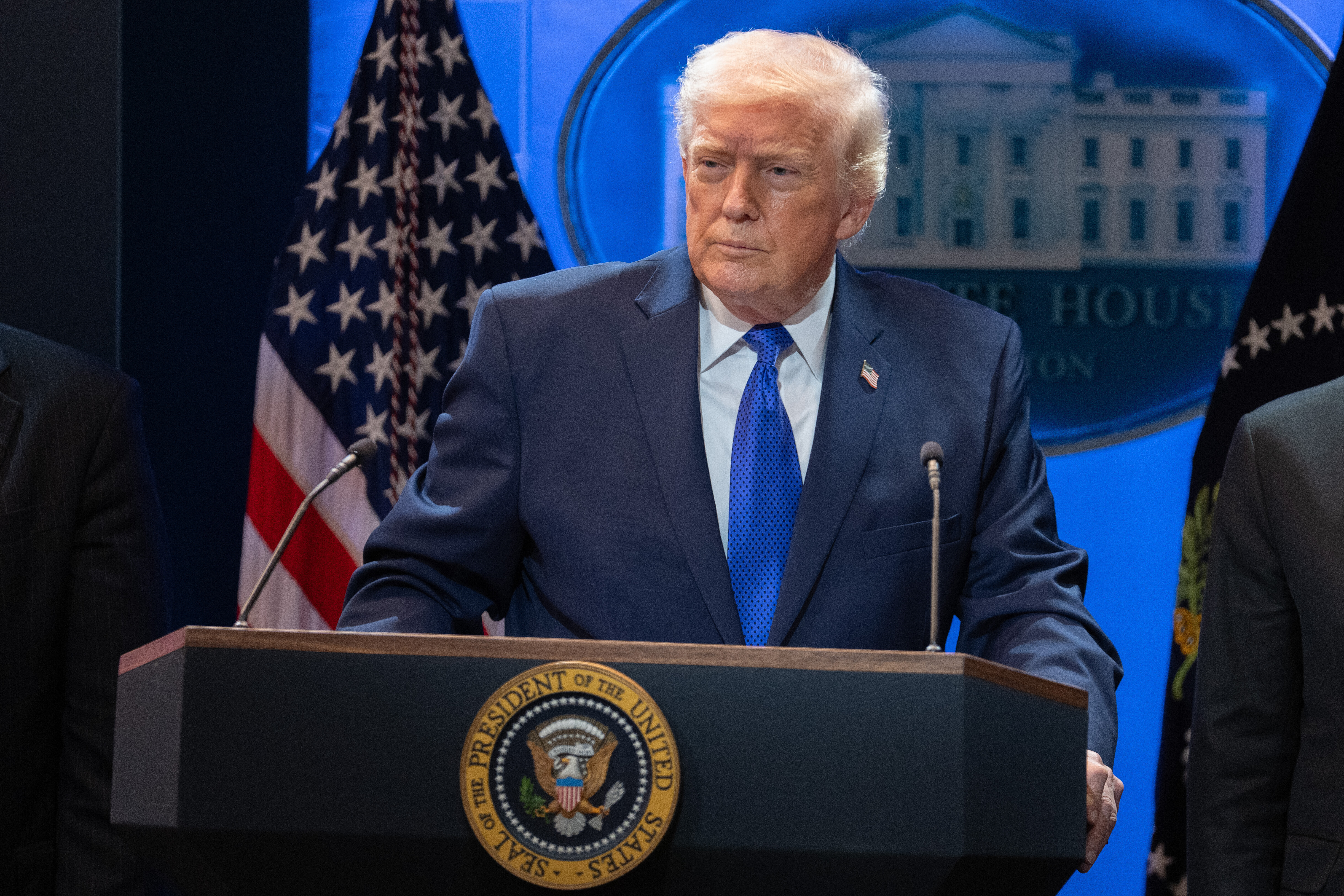
In a White House statement this week, Donald Trump updated Americans on current U.S. military operations targeting Iran, describing them as progressing faster than expected and giving an initial estimate that the campaign could last four to five weeks — while adding that it could continue “far longer” if necessary. The president emphasized specific military aims and framed the mission as limited and achievable, even as on-the-ground events and regional reprisals continue to shift.
The stated goals — what Washington says it wants to accomplish
Trump presented the campaign objectives in concrete terms:
- neutralize Iran’s missile production and deployment capabilities,
- degrade Iran’s naval reach in the Gulf and regional waters,
- prevent further nuclear advances, and
- disrupt Iran’s support for proxy groups across the region.
This language frames the action as capability-focused rather than explicitly aimed at immediate regime change, though some of the president’s rhetoric has hinted at broader political aims in public remarks.

What the military says — progress and preparations
U.S. Central Command and Pentagon briefings (and reporting based on them) indicate strikes have targeted air defenses, missile storage and command nodes — actions described by officials as setting conditions for a sustained campaign if required. Some outlets report U.S. forces are preparing for a potentially weeks-long operation; planners are balancing the need to degrade Iranian capabilities with the risks of escalation and regional blowback.
Human cost and regional effects (what’s happened so far)
News updates show U.S. and allied strikes have led to casualties on both sides and prompted Iranian strikes on allied facilities in the region, including incidents that affected diplomatic sites and shipping lanes. The conflict has already begun to strain relationships with partners, trigger emergency diplomatic activity, and unsettle markets and supply chains that touch on energy and regional trade.
Why timelines and goals keep changing — three quick reasons
- Fluid battlefield intelligence: New strikes reveal fresh targets and risk vectors, so operational plans evolve as commanders reassess.
- Political messaging vs. military reality: The White House aims to reassure domestic audiences while limiting panic — that can make the public timeline appear optimistic.
- Escalation management: U.S. planners must calibrate force to achieve objectives while avoiding a broader war, which means stepping up or stepping back depending on Iranian responses and allied inputs.
Quick takeaways — the bottom line
President Donald Trump portrays the campaign against Iran as limited and resource-managed — “ahead of schedule” and likely to run several weeks. But shifting objectives, on-the-ground setbacks or escalatory Iranian responses could lengthen the campaign and broaden its regional consequences. Close attention to official briefings, allied reactions and independent reporting will be essential for anyone trying to assess how durable and contained the operation really is.