



When Kangra Schoolkids Met a Student from Cameroon: A short virtual exchange between Kangra schoolkids and a student from Cameroon became a neat example of how global learning works in a small classroom.
The session had students comparing food, festivals, sports and wildlife — and it offered surprising sparks of connection.
This piece breaks the moment down, explains the meanings behind odd keywords that surfaced (like “Luffy” and “whistleblew”), and looks at the bird links kids found irresistible.
Read on for a calm, practical look at culture, language, and classroom curiosity — step by step.
What happened — the classroom story
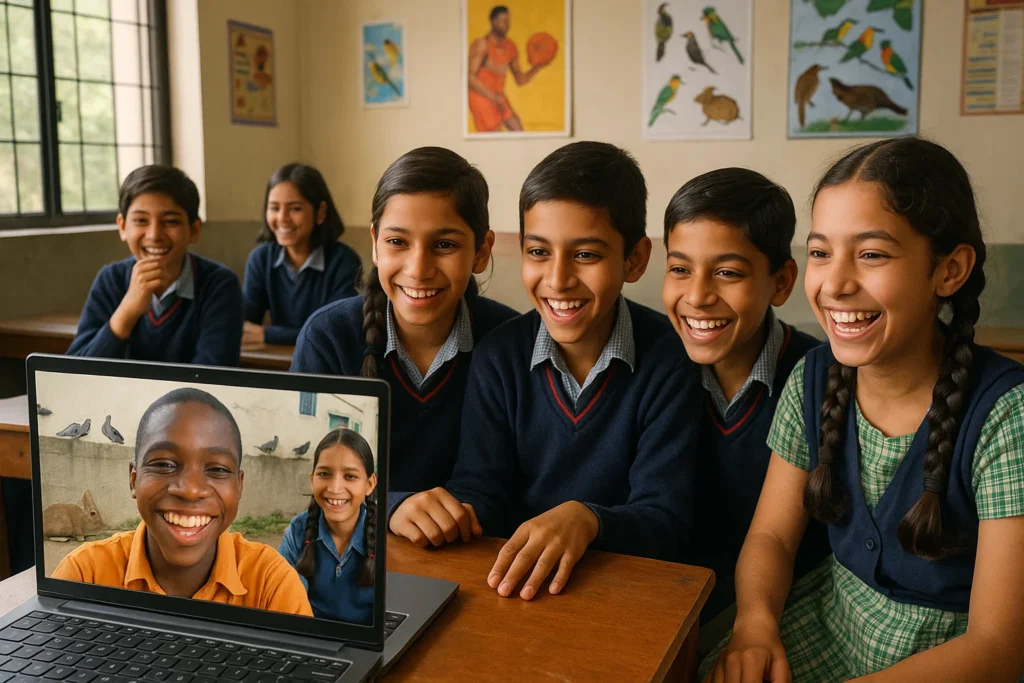
Two Kangra district schools ran a Google Meet session with pupils in Cameroon to encourage cultural exchange.
Teachers designed the conversation to build communication skills and global citizenship among young learners.
Students shared simple facts: favourite foods, local games, sports idols, and daily life differences.
Small group chats turned into big laughs when both sides described classroom pets and backyard birds.
Why this matters for kids (and their communities)
Virtual exchanges put geography and empathy on equal footing with textbooks.
They give children a direct way to see that people in far-off places share worries, hobbies, and humor.
For Kangra pupils, meeting a Cameroon classmate humanised a country they mostly knew from maps and headlines.
That real contact reduces stereotypes and creates long-term curiosity about other cultures.

Cameroon — where the name comes from
Cameroon’s country name traces back to Portuguese explorers who called the Wouri River “Rio dos Camarões,” meaning “river of prawns.”
That etymology shows how a simple local fact (abundant shrimp) can turn into a country-name used worldwide.
Teachers used that story to show how language travels and how place names often hide surprising histories.
Kids enjoyed guessing why a river might be named after prawns — and then seeing the map.
“Luffy” — why the word popped up in class
“Luffy” is widely known as the captain of the Straw Hat Pirates in the Japanese manga and anime One Piece.
Students sometimes borrow the name for pets, characters, or playful nicknames because it suggests adventure and leadership.
When a Cameroon pupil mentioned “Luffy,” Kangra kids assumed it was a local nickname for a bird or pet.
Their teachers turned that into a quick lesson on how popular culture travels and reshapes meaning.
“Whistleblew” vs. whistleblower — clearing a common mix-up
Some children typed “whistleblew” in chat, which sounded like a bird call at first.
In English usage, the nearest formal word is whistleblower — someone who exposes wrongdoing — and schools used the chance to talk about language precision.
That small correction led to a rich conversation: what does it mean to tell the truth, and how do cultures protect people who do?
Simple classroom talk turned into civic literacy in a five-minute window.
Birds, “Luffy bird,” and why cockatiels came up
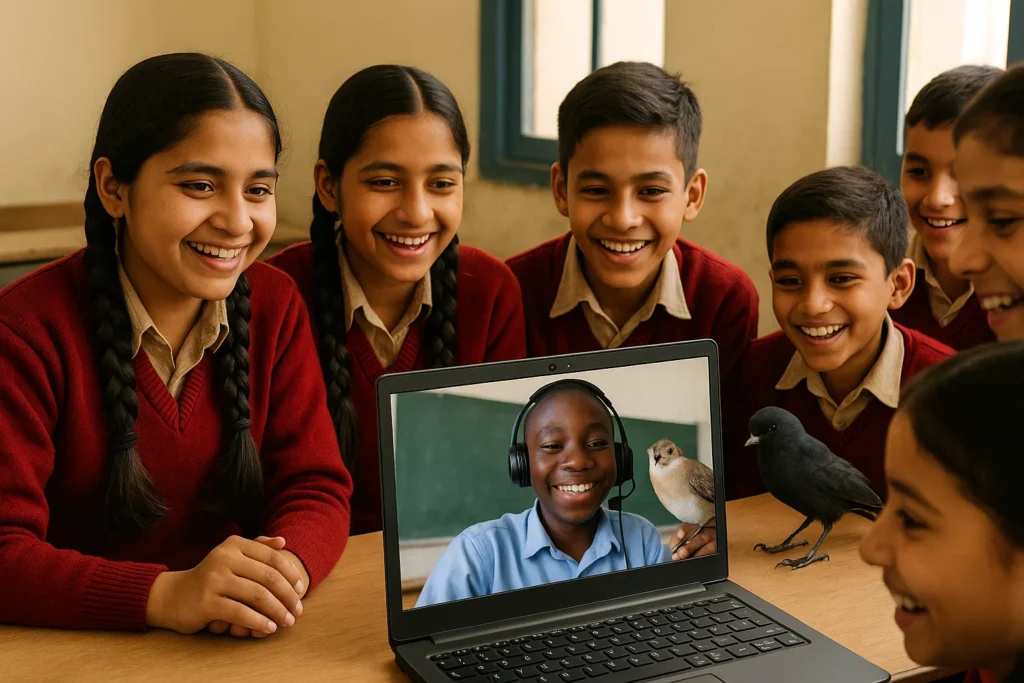
Birds came up naturally: both groups named backyard species they liked.
Kangra students mentioned sparrows, while the Cameroon student described rainforest birds — a reminder of how habitat shapes everyday wildlife.
One playful thread called a pet cockatiel “Luffy,” and teachers used it to introduce cockatiel facts: these small crested parrots are native to Australia, mimic sounds and whistles, and make popular companion pets worldwide.
That mix of pop-culture nickname and biology made the session tactile and memorable.
Classroom benefits — short, practical takeaways
- Virtual cultural exchanges boost language confidence and listening skills.
- Small misunderstandings (like “whistleblew”) become teachable moments about grammar and civic terms.
- Bringing animals, maps, and names into the chat helps memory and empathy.
Teachers reported pupils stayed engaged longer than usual and asked more follow-up questions about Cameroon’s food, music and birds.
How parents and teachers can make the most of exchanges
Set clear goals: decide if the session focuses on language practice, geography, or shared projects.
Prep a simple list of vocabulary and a one-page map to help children visualise locations.
Use tangible hooks — pets, snacks, songs — to keep attention and turn abstract facts into lived, repeatable stories.
Finally, encourage follow-up letters or art projects to sustain the new friendships.
Would you support regular virtual exchanges between local schools and classrooms overseas?
Final thought
A 30-minute video call between Kangra schoolkids and a Cameroon class shows how curiosity beats distance.
From prawns in a river to pirate captains and pet cockatiels, the session turned names and animals into bridges.
Disclaimer: This article summarises reporting and classroom accounts available as of the update date.
It is for informational purposes only; educators and parents should consult school authorities for program details.