


Key points
- Australia and the European Union have agreed on the final text of a long-awaited free trade agreement after years of negotiations that stalled over agriculture and product-label disputes.
- The deal is designed to cut tariffs, expand market access, and strengthen cooperation on critical minerals, security and supply chains.
- Leaders say the agreement also reflects a broader push to diversify trade ties amid global tariff fights and economic uncertainty.
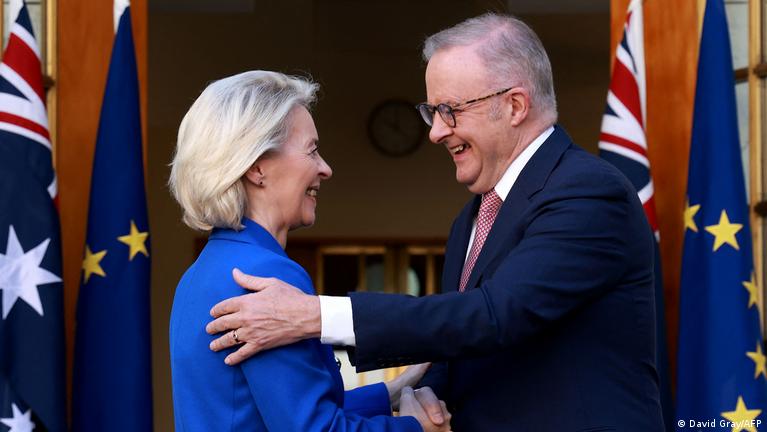
Australia and the European Union have finally closed the book on an eight-year negotiation, agreeing on the final text of a free trade deal that both sides say will deepen economic ties and give businesses a more stable path through a volatile global market. The agreement was announced in Melbourne and Canberra on March 24, 2026, after talks that had previously collapsed in 2023.
For Australia, the biggest win is wider access for exports such as beef, wine, seafood and horticulture, although sensitive farm products will still face limits and quotas. For the EU, the prize is easier access to Australia’s market, including better treatment for cars, machinery, services and critical minerals such as lithium and tungsten.
This is more than a trade story. Reuters reports that both sides see the pact as part of a wider strategy to reduce reliance on China for key inputs and to buffer themselves against unpredictable U.S. tariff policy. In that sense, the agreement is a business deal and a geopolitical message at the same time.

There are still political trade-offs. Australian farmers have complained that market access for beef and sheep meat is not as generous as they wanted, while the EU is protecting a long list of geographical indications, including names such as prosecco and feta. Even so, officials say the deal should boost exports, investment and supply-chain resilience over time.
Australia and EU strike free trade deal: The practical takeaway is simple: this deal could mean more competition, more choices and lower barriers for companies that sell between Australia and Europe. It could also reshape where Australia sells its minerals and where European firms source raw materials for the clean-energy transition.
Quick reader question: Do you think this trade pact will help consumers through lower prices, or mainly help exporters and big companies?