


By TrenBuzz — Special report
Key points
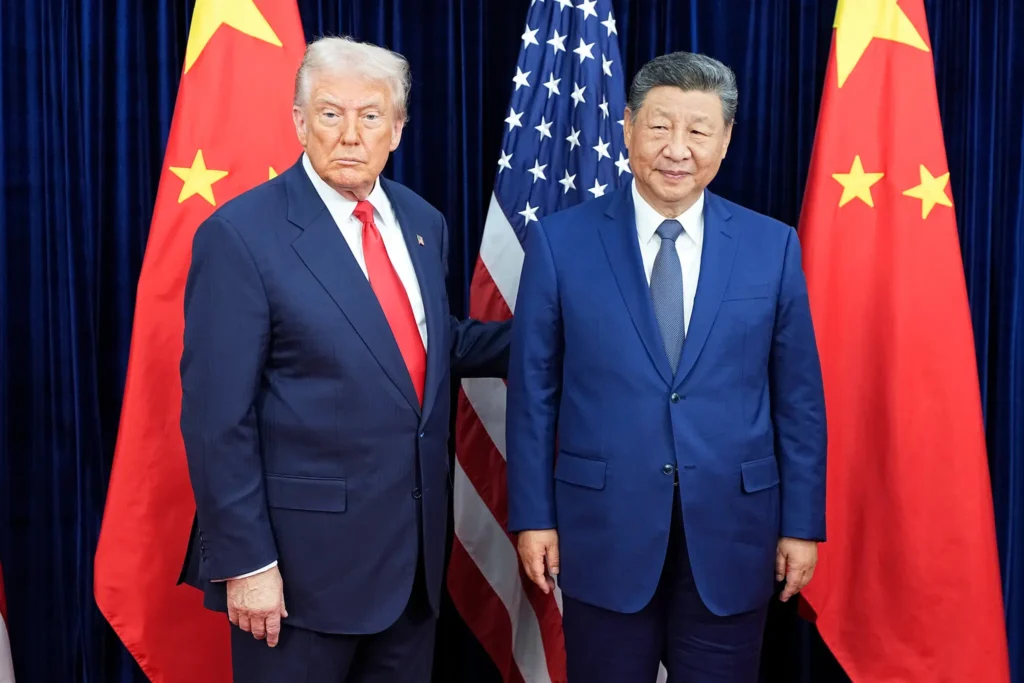
- Chinese President Xi Jinping told U.S. President Donald Trump in a recent phone call that the Taiwan issue is central to China–U.S. relations and urged Washington to be prudent about arms sales to Taipei.
- Taiwan’s President Lai Ching-te said U.S.–Taiwan ties remain “rock-solid” after the call, seeking to reassure markets and partners that cooperation will continue.
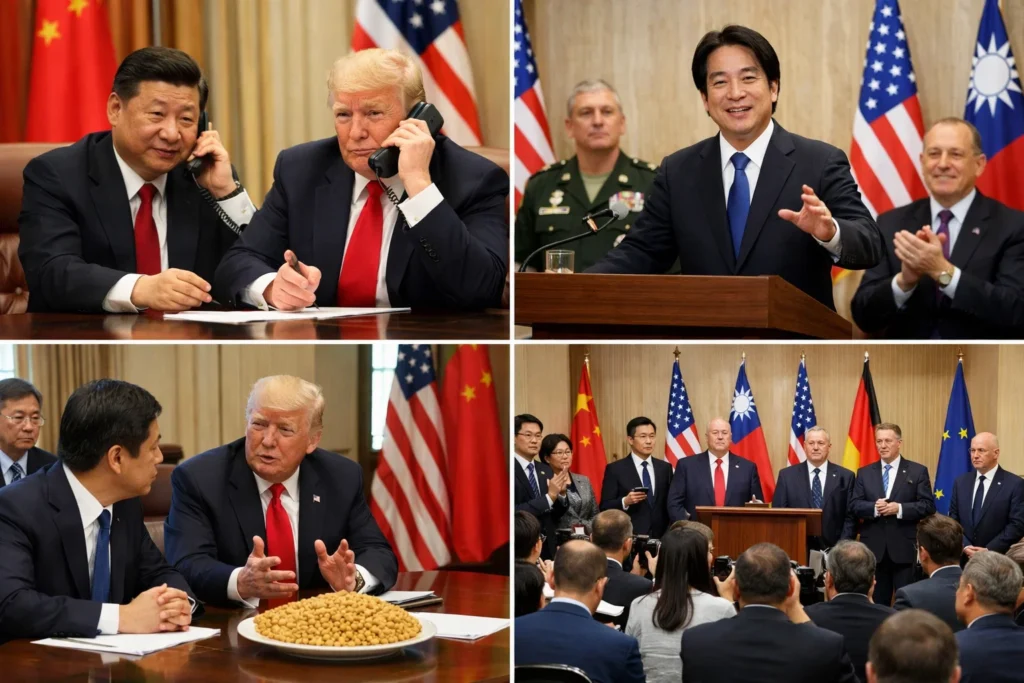
- Trump described the conversation as “excellent” and discussed trade topics — including potential soybean purchases — as part of a broader effort to stabilize ties ahead of a planned April visit to Beijing.
- International reaction was immediate: Beijing framed the call as a warning against steps it sees as escalating tensions, while Taipei and U.S. partners emphasized continuity and de-escalation.
China’s Xi presses Trump — what happened and why it matters
Chinese state media and multiple international outlets reported that President Xi phoned President Trump to press him on Taiwan, urging caution over U.S. arms sales and stressing that Beijing will not tolerate moves toward Taiwanese independence. The conversation—part of a flurry of strategic diplomacy between Washington and Beijing—matters because Taiwan is one of the most sensitive security flashpoints between the two powers. How the U.S. balances reassurance to Taipei with risk-management toward Beijing will shape regional stability in the months ahead.
What Xi said — the core message
According to Chinese accounts, Xi emphasized that Taiwan is the “most important” issue in bilateral ties and urged the United States to handle arms transfers and official contacts with Taipei with the “utmost caution.” The message framed arms sales as a potential source of escalation and reiterated Beijing’s long-standing red line against Taiwanese moves toward formal independence.
What Trump said — tone and follow-ups
The White House and U.S. outlets reported President Trump described the call as “excellent” and focused not only on security but on trade — including possible large-scale soybean purchases that would ease Chinese market tensions. Trump’s public characterization underlines his preference for managing disputes through personal diplomacy while keeping commercial incentives on the table.
Taipei’s response — calm and continuity
Taiwanese President Lai Ching-te publicly stressed that the island’s relationship with the United States remains “rock-solid” and said cooperation projects would continue uninterrupted. Taipei’s messaging aims to reassure domestic audiences and markets that defense cooperation and economic ties will persist despite high-level talks between Beijing and Washington.

Regional and diplomatic stakes
- Military risk: Large U.S. arms packages to Taiwan raise the prospect of military signaling that Beijing views as destabilizing. Even defensive transfers can alter perceived balances and prompt counter-moves.
- Political optics: Beijing uses diplomatic pressure to shape the limits of acceptable U.S. behavior on Taiwan; Washington must weigh deterrence for Taipei against the risk of broader confrontation.
- Economic levers: Trade incentives (e.g., soybean purchases) are durable carrots that both leaders use to lower diplomatic temperature — but they also highlight how economic and security portfolios are bundled in U.S.–China ties.
What to watch next
- U.S. arms-sale cadence: Will the Biden-era approval pipeline or newly announced packages be delayed, reformulated, or proceed as planned? Any change will test both U.S. political commitments to Taiwan and Xi’s leverage.
- Public readouts and read-throughs: Watch official statements from the White House, Beijing’s foreign ministry and Taipei for fine-grained differences in phrasing: words like “prudence,” “restraint,” or “respect” indicate diplomatic intent.
- Military movements and exercises: If either side increases military activity near the Taiwan Strait, expect markets and capitals to react quickly; conversely, a sustained lull would suggest tactical de-escalation.
Practical takeaways — for businesses, diplomats and citizens
- For businesses: Companies with Taiwan-China supply chains should stress-test logistics and contingency plans; geopolitical risk can affect shipping, insurance and component sourcing with little notice.
- For diplomats/policymakers: Manage public messaging tightly to avoid signaling unintended policy shifts; keep back-channel options open to translate high-level calls into verifiable, confidence-building measures.
- For citizens in the region: Follow official channels and trusted outlets for verified updates; avoid panic responses to early, unconfirmed military or diplomatic reports.
Bottom line
The Xi–Trump phone call underscores how Taiwan remains the single most sensitive bilateral issue between Beijing and Washington. Xi’s appeal for caution on arms sales and Trump’s simultaneous emphasis on trade and personal rapport both reflect a pragmatic effort to manage risk — but the balance is fragile. The coming weeks will reveal whether the call produces concrete de-escalatory measures or simply a temporary diplomatic pause before the parties resume their competing strategic courses.