


Key points
- Twenty-two countries have now signed a joint statement condemning Iran’s de facto closure of the Strait of Hormuz and saying they are ready to support efforts to keep the waterway open. Reuters says Australia and the United Arab Emirates were the newest signatories.
- The statement is a political and diplomatic show of support first, not a full military deployment. Reuters and Axios both note that several signatories have not promised to send warships.
- The Strait of Hormuz remains one of the world’s most important energy chokepoints, carrying about one-fifth of global oil and LNG flows. Any disruption can move fuel prices, shipping costs and inflation expectations very quickly.
- The coalition’s next challenge is practical: turning a statement of readiness into safe-passage planning, maritime coordination and, potentially, limited protection measures.
Why the Strait of Hormuz is back at the center of global politics
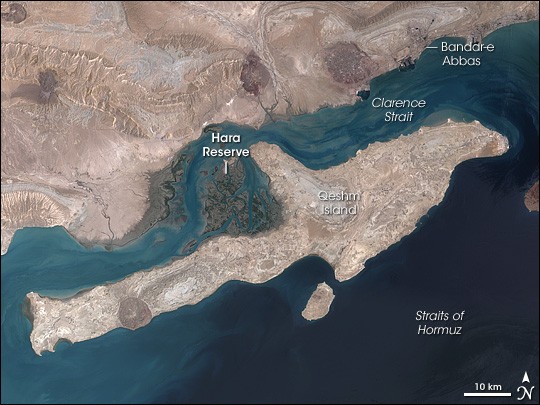
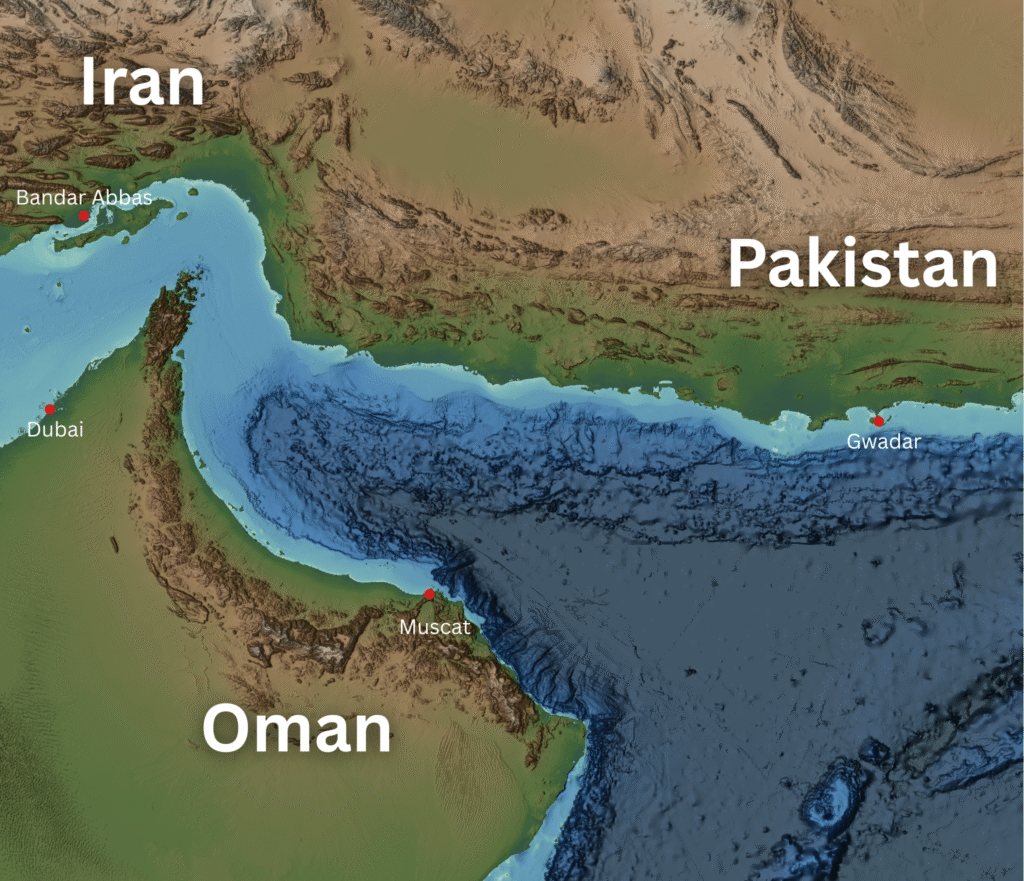
The Strait of Hormuz is not just a map location. It is one of the world’s narrowest and most strategically sensitive shipping lanes, linking the Persian Gulf to the Gulf of Oman. NASA and geographic reference material show just how tightly the waterway is squeezed between Iran and the Arabian Peninsula, which is why even a brief disruption can unsettle global energy markets.
That is why a statement from 22 countries matters. Reuters reported that the signatories condemned attacks on commercial shipping and civilian infrastructure and said they were ready to contribute to “appropriate efforts” to ensure safe passage. In plain English, that means the world’s major economies are now treating Hormuz as a global stability problem, not just a regional one.
What the 22-country signal actually means
The most important detail is what the statement does and does not promise. It does say the countries are ready to help secure the strait and support market stability. It does not say all 22 countries will immediately send ships, and Reuters notes that several governments have already ruled out naval deployment. Axios reported that France, Germany, Italy and Japan have all been cautious about committing warships.

That distinction matters because headlines can make the coalition sound like a fully armed naval force. In reality, this is a layered response: some countries are offering political backing, some are helping with planning, some may support reserve releases and logistics, and only a subset may contribute direct maritime protection. Reuters also said the statement welcomed “preparatory planning,” which suggests the coalition is still being built out operationally.
Why governments are moving now
The move comes after a string of attacks and threats in the Gulf. Reuters and AP have reported that Iran’s actions have effectively narrowed commercial movement through Hormuz, while ships tied to countries considered hostile by Tehran face higher risk. That has already forced governments and maritime agencies to think about safe corridors, escorts and evacuation planning for seafarers.
In other words, the coalition is a response to a live shipping crisis, not a theoretical one. Reuters reported that the G7 has already backed Hormuz security and global energy protection, which shows how quickly the issue has risen from a regional confrontation to a broader economic security threat.
Why this matters for oil prices and inflation
The Strait of Hormuz is essential because a large share of the world’s oil and liquefied natural gas passes through it. Reuters says the waterway is a critical route for global energy supply, and AP has reported that Iran’s interference has already helped push oil prices higher and triggered new concern about transport and insurance costs.
That is why the coalition statement has immediate financial implications even before any warship sails. Markets tend to react to two things: the risk of interruption and the risk of escalation. A 22-country statement can calm some fears by signaling coordination, but it can also underscore how serious the situation has become.

The countries to watch
Reuters identified Britain, France, Germany, Italy, the Netherlands and Japan among the core signatories, with Australia and the UAE joining later. The U.K. has also said the statement supports preparatory planning, while some other governments remain careful about how much military involvement they are willing to accept.
Japan is a particularly important case. AP reported that Japanese officials have had to balance alliance pressure with domestic legal limits on military deployments abroad. Reuters also noted that South Korea has emphasized constitutional and legal constraints while still recognizing that Hormuz matters deeply to its energy security.
What this coalition could do next
The next phase is likely to be less dramatic than the headline suggests. Reuters has already described proposals for safe maritime corridors, strategic reserve coordination and convoy planning. The coalition may begin by focusing on route protection, mine-clearing support, intelligence sharing and de-escalation through the International Maritime Organization.
That is where the practical value lies. If the 22 countries help keep traffic moving, even in limited fashion, they reduce the odds of another market shock and lower the chance that tanker crews or civilian vessels become bargaining chips in the conflict. Reuters and AP have both reported that seafarers have already been stranded in the region, which shows how quickly a diplomatic crisis can become a human one.
The bigger geopolitical question
The deeper question is whether the coalition is a stopgap or the beginning of a longer maritime security architecture for the Gulf. That depends on whether Iran continues to threaten shipping, whether the U.S. keeps pressing allies to contribute, and whether countries that depend on Gulf energy decide they can stay on the sidelines. Reuters has shown that some states are ready to support the effort, but not all are ready to put ships into the water.
There is also a political risk. A broad coalition can reassure markets, but it can also harden the confrontation if Tehran sees it as encirclement. Reuters reported that Iran has said Hormuz remains open to non-hostile traffic, while reserving the right to restrict vessels tied to countries it sees as enemies. That is why the corridor question is as much about diplomacy as force.
Reader takeaway
The key thing to understand is this: 22 countries are not simply “joining a war.” They are signaling that the Strait of Hormuz is too important to leave unprotected, and that they are prepared to support safe passage in whatever form their governments can accept. That may mean political support, planning, surveillance, escort capacity or emergency energy coordination rather than a single large navy operation.
If the coalition works, it could lower pressure on oil markets and help civilian shipping. If it fails, the cost will likely show up in higher fuel prices, more insurance problems and more pressure on global trade. For now, the message from the 22 countries is clear: the Strait of Hormuz is a global concern, and they are no longer treating it like a regional sideshow.
Quick question for readers
22 countries signal readiness to help secure the Strait of Hormuz: Should countries that depend on Gulf oil contribute ships to protect the Strait of Hormuz, or should they focus only on diplomacy and energy reserves? That is the decision at the center of this story.