


Published by TrenBuzz.com | July 9, 2026 | BREAKING MAINE ELECTION
Key Points at a Glance – Graham Platner Withdrawal
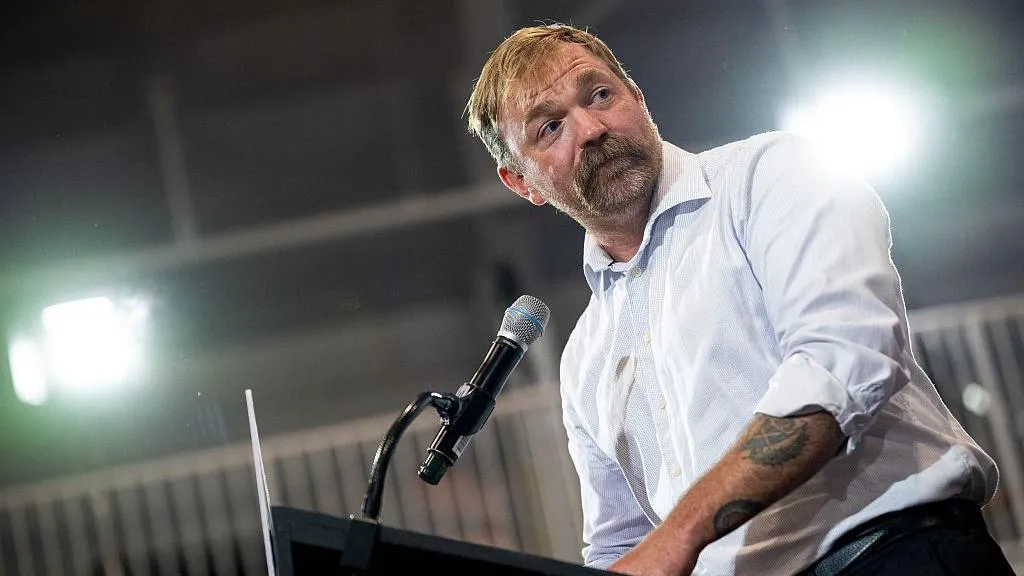
- Graham Platner announced Wednesday night July 8 that he was withdrawing from the Maine Senate race, just hours before the July 13 deadline that would have let Maine Democrats replace him on the ballot.
- Platner said the sexual assault allegation by Jenny Racicot “has placed an immense amount of weight” on him, citing also his loss of fundraising access, voter data, and national party support.
- Maine Democrats now have until 5 p.m. July 27 to nominate a replacement through a party convention, which the Maine Democratic State Committee confirmed would take place around the weekend of July 25.
- Bernie Sanders had advised Platner to step aside, becoming the most decisive voice in ending the campaign, given that Platner built his entire political identity around Sanders-style populism.
- Senate Minority Leader Chuck Schumer vowed the DSCC would not spend money in Maine unless Platner left the race. That ultimatum, delivered publicly, was the financial death blow.
- Former state Senate President Troy Jackson filed Senate exploratory paperwork Tuesday, becoming the first Democrat to formally move toward the nomination.
Graham Platner Drops Out: What He Actually Said and What He Didn’t
Platner denied the allegation from Jenny Racicot one final time in his withdrawal video, calling it “false,” but acknowledged that continuing the race had become impossible without money, voter data, or national party infrastructure.
“What comes next needs to come from the people, needs to come from the people of Maine,” he said. It is a line designed to hand ownership of the replacement process back to the movement he built, not to the party establishment that spent months trying to prevent his primary win.
The Real Reason He Left: A Three-Way Financial Ultimatum
Within 48 hours of the Politico report on Jenny Racicot’s allegations, Schumer publicly declared national party money would not flow to Maine if Platner stayed. The DSCC and major progressive fundraising networks began pulling access to ActBlue fundraising infrastructure simultaneously.
That triple financial withdrawal is unprecedented for a candidate who just won a competitive primary less than 30 days earlier. No amount of denials and no moral argument could have ended the campaign faster than the simultaneous collapse of money, data access, and endorsements.
18 Days to Choose: The Candidates Now Racing for Nomination
Troy Jackson, a logger and former state Senate President endorsed by Bernie Sanders, filed exploratory paperwork immediately. Secretary of State Shenna Bellows, who ran against Collins in 2014, said she would “seriously consider” entering. Former CDC director Nirav Shah, second in Maine’s gubernatorial primary, said he was consulting family. Former Governor Janet Mills, Schumer’s original preferred choice, has not committed.
A mini-convention is likely on the weekend of July 25. Maine Democrats have 18 days to find a nominee who can credibly challenge Susan Collins, who is seeking a sixth term in a seat Cook Political Report still calls a toss-up.
🔗 [Also Read: “Graham Platner Jenny Racicot Sexual Assault Allegation: Full Story” | TrenBuzz.com]