


Key points
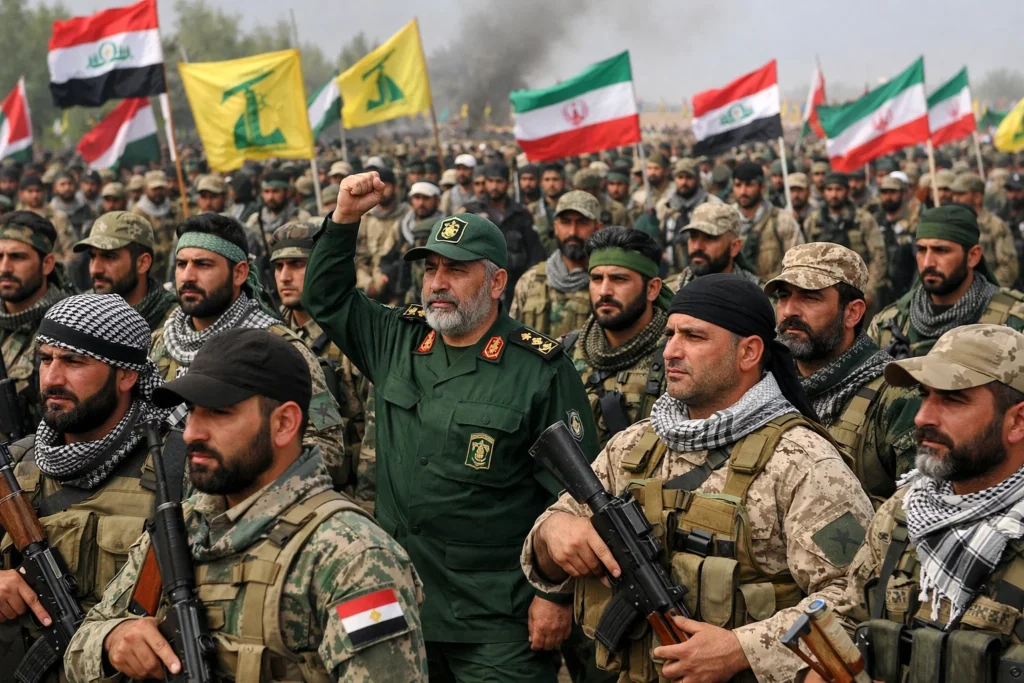
- Reports and state media say Iranians — and volunteers from allied groups abroad — are stepping forward to join Iran’s armed forces and volunteer militias after recent strikes and the surge in tensions.
- The Islamic Revolutionary Guard Corps (IRGC) and the Basij volunteer force are central to any mass-mobilization effort; Tehran has held drills and the IRGC has publicly vowed strong responses.
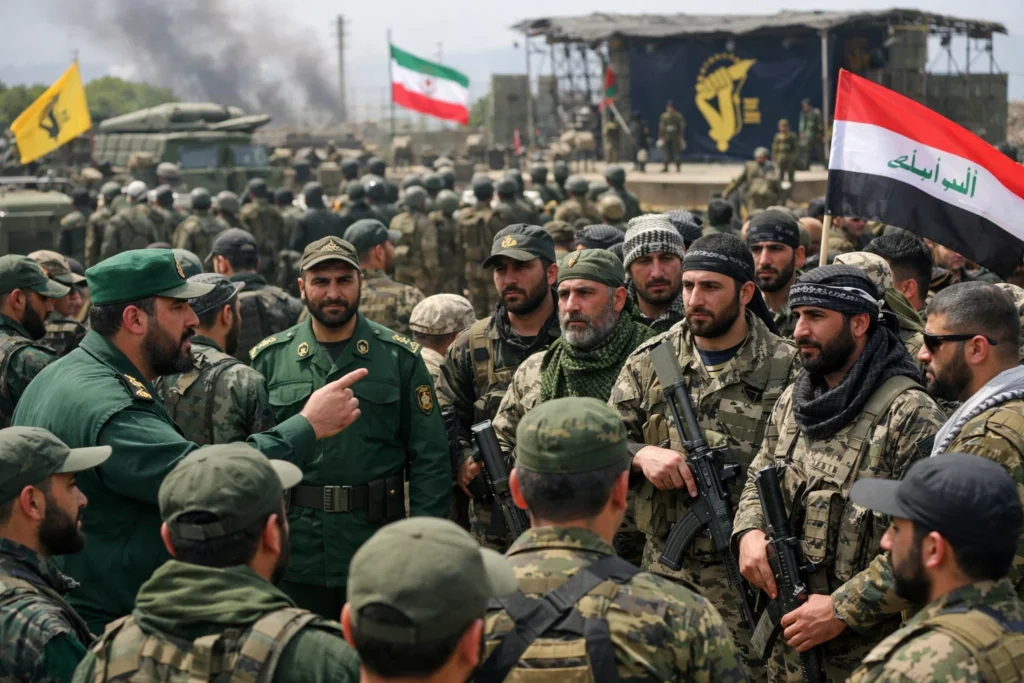
- Regional volunteers from countries such as Iraq have pledged support to Iran in some state and sympathetic outlets, but independent verification of numbers and organization remains limited.
What the claims say (Iranians volunteering to join army)
Multiple outlets report an uptick in volunteer pledges — both from inside Iran and among allied groups in the region — framed as support for “sovereignty” and defence against external strikes.
Iran’s security apparatus — notably the IRGC and its Basij auxiliary — is the institutional vehicle historically used to absorb volunteers quickly in times of tension.
Where the reports come from — and why that matters
State media and pro-regime outlets are highlighting volunteer calls and displays of popular support; independent, on-the-ground verification inside Iran is often difficult during unrest or conflict.
External outlets sympathetic to Tehran’s position have published pieces on volunteers from Iraq and elsewhere pledging to travel to Iran or to deploy regionally in solidarity. Those reports should be read as claims pending independent confirmation.
Who the Basij and IRGC are — quick primer
The Basij is a long-standing volunteer militia aligned with the IRGC; it has been used historically for mass mobilization and internal security tasks. The IRGC is Iran’s elite force and commands significant political and economic influence.
Because both institutions combine ideological, security and social functions, calls for volunteers are both military and political acts — aimed at demonstrating regime resilience and deterring adversaries.

Practical effects to watch for (short checklist)
- Public mobilisation centers and recruitment announcements in Iranian state media — these are the first signs volunteers are being processed.
- IRGC/Basij movements or new drills expanding into border provinces — this signals operational scaling.
- Independent confirmation (photos, local reporters, satellite imagery) to substantiate claimed volunteer numbers — until then treat totals as tentative.
Politics and public sentiment — two fault lines
Some Iranians view volunteering as patriotic defence of national sovereignty; others see mobilisation as the state’s attempt to channel domestic unrest into external confrontation. Both reactions are visible in diaspora and social media coverage.
Regional dynamics matter: militias and volunteers from neighbouring countries sometimes pledge support for ideological or political reasons, which can complicate the conflict’s scope quickly.
Short FAQ — readers’ quick questions
Are large numbers of civilians actually enlisting right now?
State and sympathetic outlets report surges and pledges, but independent verification of scale and numbers is limited; treat claims cautiously until confirmed.
Will volunteers change the military balance?
Volunteer forces can augment manpower and morale, especially for defensive tasks, but they are unlikely by themselves to alter high-technology battlefield dynamics against state militaries. The IRGC’s professional forces remain decisive.
Are foreign volunteers joining inside Iran?
Some allied groups and individuals in Iraq and the region have publicly pledged support; whether they mobilize on the ground in meaningful numbers is not independently confirmed.
Final take — cautious reporting in fast-moving times
Claims that “people of Iran are volunteering to join the army” are plausible given Iran’s political and military structures and the immediate shock of recent strikes, and some pledges (including regional volunteers) have been publicly reported.
But independent verification of scale, organization and actual deployment remains limited; responsible coverage separates state and partisan claims from confirmed mobilisation on the ground. Look for corroborated reporting from independent journalists, satellite imagery and official military notices as the best evidence that pledges are turning into organized forces.
Disclaimer: This article summarizes reports and claims current as of February 2026 and distinguishes between state-media claims and independently verified facts. In conflict zones, information can be partial or contested; rely on multiple reputable sources for confirmation.