


Key points
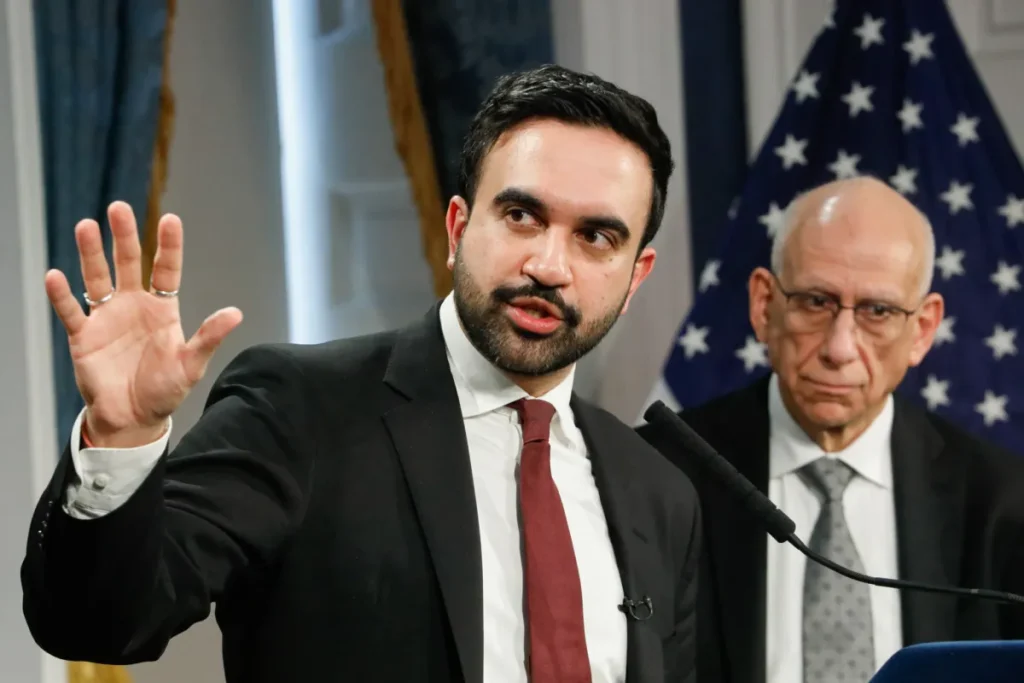
- New York City Mayor Zohran Mamdani proposed a steep revenue package that includes a 2-percentage-point tax increase on millionaires and — as a last resort — a near 9.5% property-tax hike for city residents.
- Rep. Jared Moskowitz told Fox News the targeted wealth-tax approach is unrealistic because wealthy taxpayers can relocate, saying “these are not going to work.”
- The mayor’s proposal has drawn pushback from city and state officials, budget analysts and real-estate experts who warn of unintended consequences (higher rents, market chill) if revenue assumptions don’t hold.
Why the row matters — Mamdani proposed wealth taxes
This week’s debate is about two competing ways to plug a projected budget gap in New York City: raise taxes on the very wealthy (and big corporations), or raise property taxes broadly if the state won’t cooperate. Mayor Zohran Mamdani argues that a modest targeted tax on millionaires would be the fairest path; critics — both inside and outside his party — say the plan is politically fraught and economically risky. The dispute escalated when a House Democrat publicly questioned the basic premise: that wealth taxes will reliably raise the revenue Mamdani’s budget assumes.
What Mamdani is proposing (digestible version)
- A 2-percentage-point income-tax increase applied to New Yorkers with incomes above $1 million (a “millionaire’s surtax”).
- A corporate tax increase for highly profitable businesses.
- Property-tax contingency: If Albany won’t pass the income-tax change, Mamdani says the city would raise property taxes — the only lever the city can pull on its own — by as much as 9.5% for the fiscal year to avoid deep program cuts.
Supporters say the “tax the rich” route closes much of the gap while protecting core services; opponents say it’s politically unrealistic (the governor must sign off) and that the wealthy — and the businesses they run — are mobile.

Why Rep. Jared Moskowitz and others call this a risky bet
Rep. Jared Moskowitz — speaking on a national cable show — voiced a common economic concern: when a jurisdiction raises taxes on the very wealthy, those taxpayers may shift income, change residency, or reclassify assets to reduce the hit, weakening projected revenues. His blunt assessment: targeted wealth levies “are not going to work” as reliable budget fixes.
Two practical angles underlie that skepticism:
- Behavioral response: High earners can change where they live, shift investment location, or use tax planning strategies that shrink the immediate tax base.
- Administration complexity: Wealth and high-income taxation often requires complex enforcement and can produce lumpy revenue flows — hard to bank on when balancing an annual budget.
Those dynamics don’t mean wealth taxes are impossible — they’re just hard to design and implement without loopholes or migration effects, which is why some economists favor broadening the base or combining revenue with structural spending changes.
What the critics are saying (beyond Moskowitz)
- City and state officials: Governor Kathy Hochul has already warned she won’t support state income-tax increases, making the revenue path politically narrow for the mayor.
- Real-estate and market analysts: Several industry voices say even talking about a near-10% property tax jump or steep wealth taxes can chill housing markets, push up rents (landlords pass through costs), and encourage some residents to reconsider residency choices.Some national Democrats and business groups argue the proposal hands political attacks to opponents and may be difficult to sell to voters and lawmakers alike.
Two ways to look at the tradeoff — policy vs. politics
- Policy-first: If your priority is progressive revenue and protecting city services, taxing the wealthy is an intuitively fair option — but success depends on tight design, cooperation from the state, and realistic revenue modeling.
- Politics-first: If your priority is avoiding market disruption and political backlash, the mayor’s ultimatum risks energizing opponents and could force tradeoffs (program cuts or reserve draws) if Albany doesn’t cooperate.
Both sides have valid points — the policy debate boils down to whether potential revenue gains outweigh behavioral and political risks.
What New Yorkers should watch next
- Albany’s response: Governor Hochul and the State Legislature must sign off on state tax changes for most of Mamdani’s plan to take effect. Expect hearings and intense negotiations.
- City Council reaction: The council controls the final city budget lines — they can accept, tweak or reject the mayor’s approach.
- Analytical audits: Independent revenue forecasts (from the comptroller’s office, nonpartisan budget offices, or university researchers) will be essential — watch for those model updates.
- Market signals: Real estate listings, migration patterns, and corporate statements will show whether talk of taxes actually moves people or firms.
Quick Q&A
Q: Would a 2% tax on millionaires actually close the budget gap?
A: It might cover a sizable portion, but exact revenue depends on how many taxpayers are affected, how incomes are reported that year, and whether high earners change behavior to avoid the tax. Conservative estimates often assume some erosion; protesters of such taxes point to that as a core weakness.
Q: Could Mamdani raise property taxes without state approval?
A: Yes — property-tax rates are under city control, which is why the mayor frames a property-tax hike as a “last-resort” lever. But raising property taxes is politically painful and may hit middle-income homeowners and renters.
Bottom line
Mayor Zohran Mamdani has forced a debate that splits fiscal pragmatism and progressive ambition. Rep. Jared Moskowitz’s comment — that targeted wealth taxes “are not going to work” — captures the core challenge: designing revenue measures that are legally robust, politically feasible and economically stable is difficult. New Yorkers and Albany will now negotiate whether to attempt a politically brave revenue reshuffle — or default to less politically risky, but more painful, options like property-tax increases or spending cuts.