


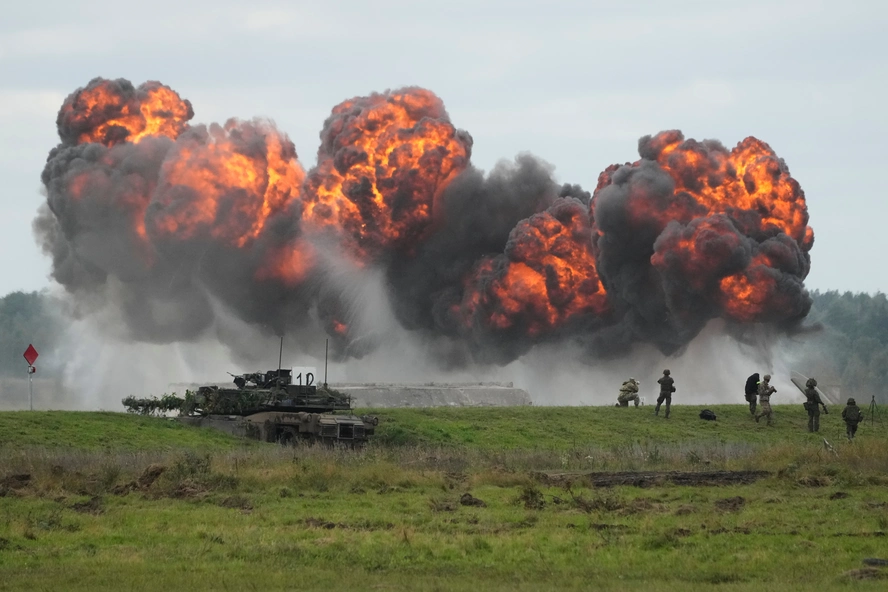
Key points
- The Pentagon abruptly canceled a planned deployment of more than 4,000 U.S. troops to Poland, according to Reuters and WSJ reporting.
- The move followed a separate decision to withdraw 5,000 troops from Germany, signaling a broader Trump administration drawdown in Europe.
- Officials and lawmakers were caught off guard, with Reuters saying the decision had not yet been formally announced or communicated to Congress.
- The shift has renewed questions about U.S. commitment to NATO and whether Europe will be expected to shoulder more of its own defense.
The Pentagon’s sudden decision to cancel a major troop deployment to Poland has jolted U.S. defense circles and left allies trying to understand what comes next. Reuters reported that the planned movement of more than 4,000 troops was called off without advance public notice, a step that surprised some military officials and members of Congress.
The phrase now hanging over the decision is simple: “No idea it was coming.” That sentiment captures the speed of the move and the uncertainty surrounding it. The cancellation landed just days after the administration announced a separate withdrawal of 5,000 troops from Germany, making the Poland decision look less like an isolated adjustment and more like part of a wider reshaping of U.S. force posture in Europe.
For Poland, the timing matters. Warsaw has been one of Washington’s closest European security partners, especially since Russia’s war in Ukraine and the broader pressure on NATO’s eastern flank. Reuters noted that the planned brigade had been expected to reinforce that front, so the cancellation naturally raised questions about deterrence and reassurance.

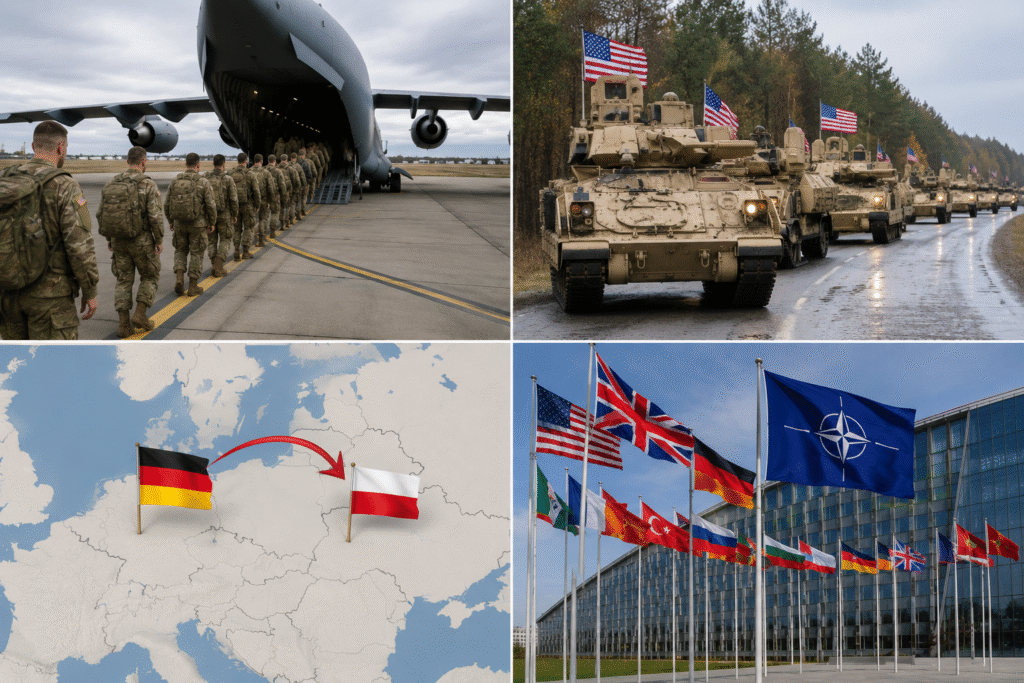
The Trump administration’s broader message is that Europe should carry more of the burden for its own defense. Reuters previously reported that Defense Secretary Pete Hegseth has said only President Trump will decide troop levels in Europe, reinforcing the view that these changes are coming from the top and not from a slow Pentagon review.
That message is politically charged because it comes as the U.S. remains deeply involved in the Iran war and faces tension with European allies over burden-sharing. Reuters said the troop cuts are tied to Trump’s broader effort to scale back the U.S. military footprint abroad, while maintaining flexibility for other global priorities.
One important detail: the Pentagon has not clearly mapped out what happens next. Reuters said the department has not specified future plans for the troops or how the redeployment fits into the overall strategy. That leaves commanders, allies and lawmakers in a waiting game.
For readers, the bigger takeaway is this: troop movements are not just military housekeeping. They signal how Washington sees threats, which allies it prioritizes, and how much risk it is willing to absorb in Europe while the Iran conflict dominates the global security agenda.
What to watch next
Pentagon Officials Stunned by Hegseth Poland Troop Decision: Watch for an official Pentagon explanation, any Polish response, and whether NATO allies read this as a one-time adjustment or the start of a deeper U.S. pullback from Europe.
Disclaimer: This article is for news and informational purposes only. Details are based on reporting available in May 2026 and may evolve as official statements are released.