


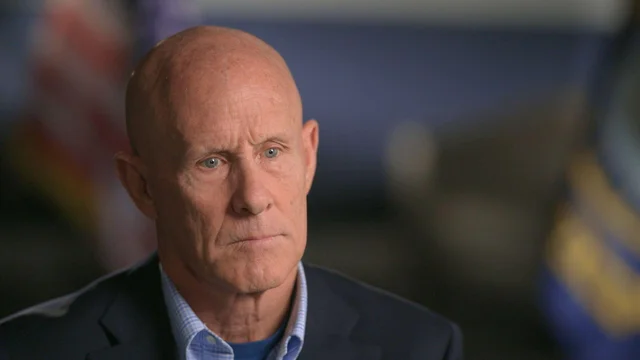
Published by TrenBuzz.com | April 20, 2026
Key Points at a Glance
- Iran is believed to hold approximately 970 pounds (440 kg) of uranium enriched to 60% — enough material for 10–11 nuclear bombs if enriched slightly further.
- Trump calls Iran’s buried uranium stockpile “nuclear dust” — material buried deep underground after US B-2 bomber strikes on Fordow and Natanz.
- Iran’s Foreign Ministry flatly stated: “Iran’s enriched uranium is not going to be transferred anywhere under any circumstances.”
- The US military has briefed Trump on a commando plan to physically seize the material — involving excavation equipment and a temporary runway inside Iran.
- A historical precedent exists: Project Sapphire, a successful 1994 covert US operation to remove over 1,300 pounds of bomb-grade uranium from Kazakhstan.
- The US wants a 20-year enrichment freeze; Iran has only agreed to 5 years — a gap that collapsed the Islamabad talks.
- The ceasefire expired April 21–22, with the uranium question still unresolved.
One thousand pounds. Three letters — HEU. And a countdown clock ticking toward the most consequential nuclear showdown since the Cold War.
The fate of the war between Iran and America hangs on just three letters: HEU — highly enriched uranium — an essential ingredient for nuclear weapons. It’s believed Iran currently has enough HEU to eventually make 10 atomic bombs. But international inspectors have not been allowed to verify Iran’s stockpile since last June, when the US and Israel struck three nuclear sites.
What Iran Actually Has — And Why It’s Terrifying
Iran is currently believed to have about 440 kg (970 pounds) of uranium enriched to 60% — the level at which it becomes much faster to get to the 90% threshold needed to produce a nuclear weapon.
US Special Envoy Steve Witkoff said the 60% enriched uranium can be brought to weapons-grade in about a week, and 20% enriched uranium can reach weapons-grade in just three to four weeks.
The IAEA had reported before the war that Iran possessed an unprecedented stockpile of highly enriched uranium without credible civilian justification — material that gave Iran the capability to produce multiple nuclear weapons on short notice.
The “Nuclear Dust” Problem — What’s Buried Underground
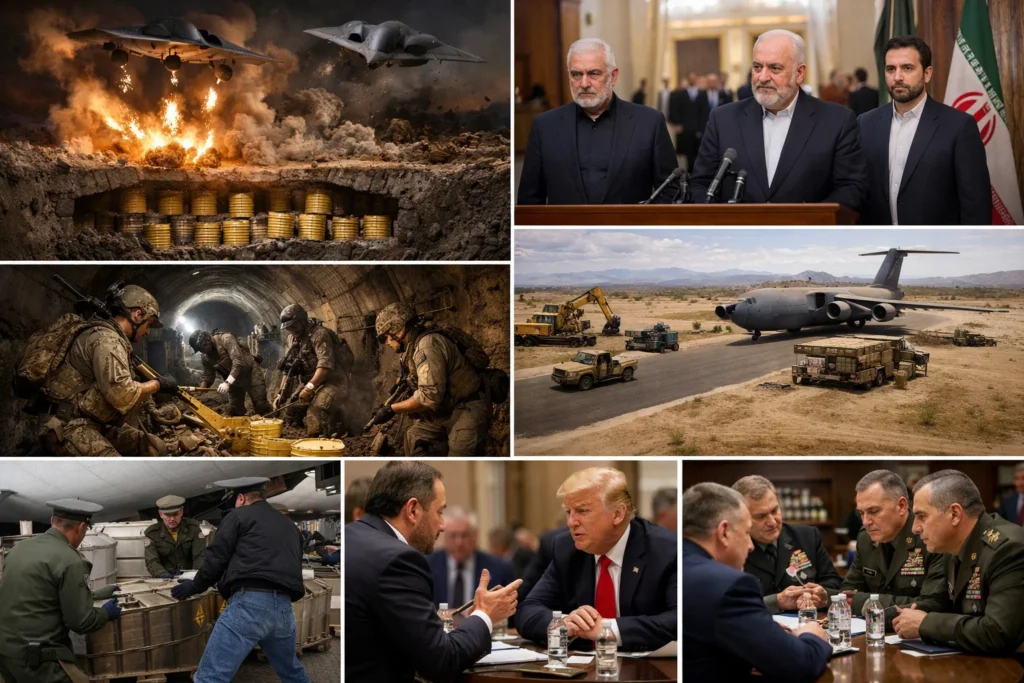
The US military has given Trump a plan to seize nearly 1,000 pounds of highly enriched uranium in Iran that would involve flying in excavation equipment and building a runway for cargo planes to take the radioactive material out.
Trump insisted the US will take whatever is left, whether with boots on the ground fighting their way in or striking a deal with the Iranian regime to allow scientists to safely secure the stockpile and bring it back to the United States.
And there’s a real-world blueprint for how it could be done peacefully — if Iran agrees.

Project Sapphire: The Blueprint That Could Save the World
What many don’t know — this option has been done before. After the Soviet Union fell apart, the US launched a high-stakes mission codenamed Project Sapphire. The US took canisters holding more than 1,300 pounds of bomb-grade uranium from Kazakhstan — protected only by a militia woman with a sidearm and a padlock “the kind you see in an antique shop.”
Andrew Weber, who led that mission, explained: “They could have just bought the 90% enriched uranium metal, and they would have been able to fabricate bombs very quickly. Project Sapphire was the first of its kind.”
A voluntary Iranian handover would mirror this model — but the trust required is something both sides are sorely lacking.
The 20 Years vs. 5 Years Gap That Broke the Islamabad Talks
The US asked Iran to remove all highly enriched uranium from the country. The Iranians said they would agree to a “monitored process of down-blending” it instead — a crucial difference.
The breakdown in talks in Pakistan occurred over a US insistence that Iran suspend its uranium enrichment programme for 20 years in exchange for sanctions relief, while Tehran refused to agree to a moratorium on enrichment beyond five years.
Iran’s Foreign Ministry spokesperson Baqaei stated on Iranian State Television: “Iran’s enriched uranium is not going to be transferred anywhere under any circumstances.”
Can It Be Done — What the Experts Say
Nuclear expert Matthew Bunn said: “I think the most important thing is no highly enriched uranium and some in-depth international monitoring. That’s what’s most essential, and it’s gonna be very difficult now, given all of the distrust following this war.”
When asked whether he was optimistic, Bunn replied simply: “I’m not very optimistic. I think we’re gonna be dealing with Iran’s nuclear program, with very few realistic tools available to us, for a long time to come.”
What It Would Actually Take to Remove Iran Highly Enriched Uranium: The window is narrow. The stakes are historic. And somewhere beneath the rubble of Fordow and Natanz, the world’s most dangerous buried treasure is still waiting.
Disclaimer: This article is for general informational and educational purposes only. All technical descriptions, expert quotes, and diplomatic details are based on publicly available and credible news sources as of April 20, 2026. TrenBuzz.com does not represent any government, military, or intelligence body. Readers are encouraged to follow official government and credible international news sources for real-time updates on the Iran nuclear situation.