

Key points
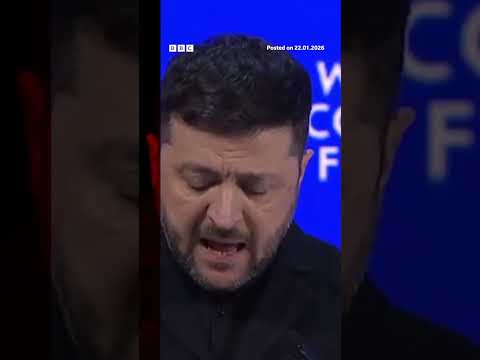
- Ukrainian President Volodymyr Zelensky welcomed the first-ever trilateral talks between Ukraine, Russia and the United States in Abu Dhabi and said he hopes they will be “a step toward ending the war.”
- The talks follow months of accelerated diplomacy — U.S.-led security-guarantee work with Kyiv and parallel Kremlin-level contacts — but major sticking points remain, especially the territorial question over Russian-held areas of eastern and southern Ukraine.
- Kyiv says it will not accept a “weak” deal that simply prolongs the conflict; Zelensky stressed any agreement must preserve Ukraine’s sovereignty and security.
- The trilateral format is politically delicate: Kyiv needs guarantees it won’t be sidelined, Moscow seeks territorial concessions, and Washington aims to secure commitments that protect Ukraine long-term.
Zelensky says he hopes — why this matters
For the first time since Russia’s full-scale invasion, representatives of Ukraine, Russia and the United States are meeting in a trilateral format. President Zelensky described the opening sessions as a potential step toward peace, but he and Western allies warn the remaining issues — chiefly territory, withdrawal sequencing and robust security guarantees — will determine whether talks produce a durable end to hostilities or simply a return to frozen conflict.
What happened — the essentials
Delegations from Kyiv, Moscow and Washington convened in Abu Dhabi for a two-day series of talks announced after high-level contacts in the Kremlin and U.S. diplomatic channels. The U.S. delegation arrived under the auspices of a new diplomatic push; Russian representatives reiterated demands about eastern Donbas and other occupied areas. Zelensky said the parties had begun negotiations and that peace documents were “nearly ready,” while stressing that the remaining points are decisive.
Zelensky’s position in plain terms
Zelensky has framed the trilateral talks as an opportunity but warned against capitulation. He publicly stated he would not sign any “weak deal that will only prolong the war,” emphasizing that the unresolved 10% of negotiation text holds the fate of Ukraine and Europe. Kyiv seeks (1) recovery of sovereign territory, (2) strong, enforceable security guarantees, and (3) credible sequencing that prevents a re-occupation or erosion of gains.


Why the U.S. is involved — and what it wants
Washington’s role is to broker enforceable security guarantees and to prevent a settlement that would leave Kyiv exposed. U.S. officials have been preparing parallel documents on guarantees and recovery packages meant to reassure Ukraine and to make any ceasefire or territorial arrangement reversible through international enforcement mechanisms. The U.S. also faces domestic political pressure to secure a deal that does not reward aggression.
Moscow’s deal terms — the core sticking points
Russian officials continue to press for recognition of control over parts of Donbas and other occupied territories as a bargaining baseline. Those territorial demands are fundamentally incompatible with Kyiv’s red lines. Any compromise will hinge on sequencing (who moves first, and what security forces monitor compliance), credible third-party enforcement, and the terms of postwar governance — each of which remains contested.
Immediate reactions and risks
- Kyiv: Publicly hopeful but cautious; Zelensky has repeatedly warned against signing a weak agreement.
- Russia: Opted to attend the trilateral session, signaling a willingness to negotiate publicly even as it reasserts maximal territorial claims.
- Western capitals: Support the talks as a test of whether diplomacy can produce enforceable outcomes, but remain skeptical about Russia’s willingness to accept meaningful concessions.
Key risks include a rushed deal that lacks enforcement, a negotiated pause that allows Russia to consolidate gains, and domestic political backlash in Kyiv or Washington if perceived concessions are excessive.
What a credible agreement would need
- Clear, verifiable sequencing — withdrawals, demining, force separation and monitored timelines.
- International security guarantees — treaty-level protections backed by credible enforcement mechanisms (multilateral observers, rapid reaction forces, sanctions triggers).
- Guarantees for sovereignty and governance — international arbitration for territorial disputes and protected minority rights without ceding control.
- Reconstruction and reintegration program — long-term financial and institutional support to stabilize liberated areas.
Practical takeaways — what readers should watch next
- Text of any draft agreement: The language on territory, sequencing and enforcement will reveal whether the deal preserves Ukraine’s sovereignty.
- Who signs and how: A heads-of-state endorsement versus ministerial signature changes political exposure and implementation mechanics.
- Mechanisms for enforcement: Look for multilateral observer mandates, triggers for automatic sanctions reactivation, and explicit rapid-response provisions.
- Domestic responses in Kyiv, Moscow and Washington: Political acceptance or rejection at home will determine whether an agreement can be implemented.
Bottom line
Zelensky’s public hope that trilateral talks with Russia and the U.S. will be “a step toward ending the war” captures both opportunity and peril. Diplomacy is finally operating at a level that could yield a negotiated settlement — but the deal’s substance, sequencing and enforceability will determine whether talks close the conflict or merely pause it. For Kyiv, the priority remains an outcome that secures territory, security and sovereignty; for Moscow, the calculus centers on territorial leverage; for Washington, the test is whether guarantees are credible enough to prevent renewed aggression.