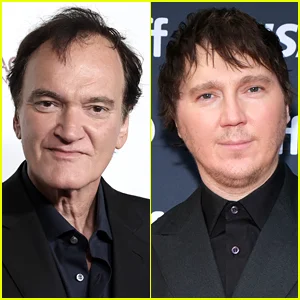
Quentin Tarantino vs. Paul Dano: Quentin Tarantino’s recent podcast comments calling Paul Dano “weak sauce” over his role in There Will Be Blood set off a wave of reaction across movie Twitter and trades.
The remark landed during Tarantino’s appearance on the Bret Easton Ellis podcast and quickly became top entertainment news.
The quote and the immediate context
On the podcast, Tarantino placed There Will Be Blood high on his list of 21st-century films but said the movie would rank higher if not for “a giant flaw”: Paul Dano’s performance.
He described Dano as “weak sauce,” suggesting the role didn’t match Daniel Day-Lewis’s towering turn.
Tarantino doubled down with forceful language that circulated verbatim in headlines and social posts, which magnified the reaction.
Because Tarantino is a celebrated director and a blunt critic, his offhand remarks quickly became a cultural flashpoint.
Quick timeline — how the story spread
- Tarantino speaks on the Bret Easton Ellis podcast and makes the comment.
- Entertainment outlets clip the moment; social-media threads proliferate within hours.
- Critics, fans, and trade writers publish takes defending Dano or calling out Tarantino’s tone.
Why Paul Dano’s role in There Will Be Blood is significant
Dano’s dual-role turn as Paul and Eli Sunday is widely remembered for its nuance and theatricality, and it earned him a BAFTA nomination for Best Supporting Actor.
Many critics and film historians point to Dano as a key foil to Daniel Day-Lewis’s Plainview, and his performance remains part of the film’s critical legacy.

Parsing Tarantino’s criticism — stylistic disagreement or personal dismissal?
Tarantino framed his remarks as a cinematic judgment: he loved the film but felt the supporting performance left a gap.
That kind of filmmaker-to-filmmaker critique is normal in cinema discourse — but the blunt delivery and language crossed a line for many.
Some commentators interpret the jab as an aesthetic preference: Tarantino prizes a certain type of screen presence that Dano’s quieter approach doesn’t fit.
Others see it as unnecessary nastiness given Dano’s respected, award-winning body of work.
How the industry and public reacted
Responses split roughly into two camps: defenders who emphasize Dano’s range and nominees, and critics who say Tarantino is entitled to a contrarian list.
Prominent outlets and social commentators noted that Dano has since built a major career, including roles in Prisoners, Love & Mercy, and The Batman.
Some reactions called out Tarantino’s tone rather than his taste, arguing public figures have more responsibility when naming peers.
Others treated the exchange as fodder for long-running debates about acting styles and what makes a supporting turn “effective.”
What this moment reveals about critics and canon-making
A hallmark of film culture is disagreement: lists and rankings provoke conversation and pollute consensus in useful ways.
Tarantino’s ranking — and his justification — is part of the messy process by which critics and artists shape a modern canon.
But the bluntness of his phrasing shifted the focus from cinematic argument to personal attack, which many observers found unnecessary.
That dynamic raises questions about how senior artists should state preferences without diminishing peers’ reputations.

Could this affect Dano’s career or Tarantino’s standing?
Short term: likely not. Dano is an acclaimed actor with recent high-profile projects and nominations, and a single critique rarely derails such standing.
Long term: the controversy may fade, leaving behind a renewed look at There Will Be Blood and debates about acting fits for specific roles.
For Tarantino, the episode is another reminder that provocative commentary keeps him in the cultural conversation — but it also draws criticism about tone.
Public figures’ throwaway lines can amplify quickly in today’s media environment.
Do you think Quentin Tarantino’s criticism of Paul Dano was fair or unfair?
Bottom line
Tarantino’s comment about Paul Dano turned a film-history conversation into a personality controversy overnight.
The best takeaway is a reminder to read such remarks as opinion, then revisit the work itself — watch There Will Be Blood and decide for yourself.
Disclaimer: This article summarizes reporting and commentary available as of December 3, 2025, for informational purposes only.
Opinions quoted are those of the speakers cited; this piece aims to provide context and is not a value judgment on either artist.