
Key points
- A bipartisan group of U.S. lawmakers introduced legislation intended to prevent the president from ordering military action to seize or occupy territory belonging to a NATO ally—a direct response to President Trump’s recent public remarks about acquiring Greenland.
- Congressional delegations are traveling to Denmark and Greenland to reassure allies and press for diplomacy; lawmakers from both parties have voiced alarm that unilateral action could fracture NATO.
- Competing bills are on the table: at least one Republican has advanced language authorizing stronger action while Democrats and other members have proposed measures to block funding or forbid seizures—underscoring the intra-Congress clash.
- The episode raises constitutional, legal and alliance-management questions: war powers, the law of the sea, and Denmark’s sovereignty over Greenland are central to the debate.
Bill to block military action against NATO members — what happened and why it matters
Responding to President Trump’s renewed comments about acquiring Greenland, a bipartisan group of senators and representatives introduced legislation aimed at stopping any unilateral U.S. military move against a NATO member or territory. The effort is both legal and political: it seeks to constrain executive action, reassure Denmark and Greenland, and prevent a rupture within the transatlantic alliance that could carry lasting strategic consequences.
What the proposed bill(s) would do
The draft measure circulated by proponents would, in practical terms, block the use of federal funds to plan, initiate, or sustain any American military operation whose objective is the occupation or annexation of territory of a NATO ally. Sponsors portray the text as a narrow, reactive safeguard—aimed specifically at preventing an unlawful or provocative effort to seize Greenland—but its wording is intended to apply broadly to any similar contingency.
Key provisions highlighted by sponsors include:
- A prohibition on funding for operations that would change the territorial status of a NATO ally.
- A requirement for Congress to be notified and to approve any major military operation outside those already authorized by statute.
The bill is deliberately framed as bipartisan and temporary—designed to restore normal diplomatic channels and preserve alliance unity while the immediate crisis subsides.
Why lawmakers acted now: political and strategic context
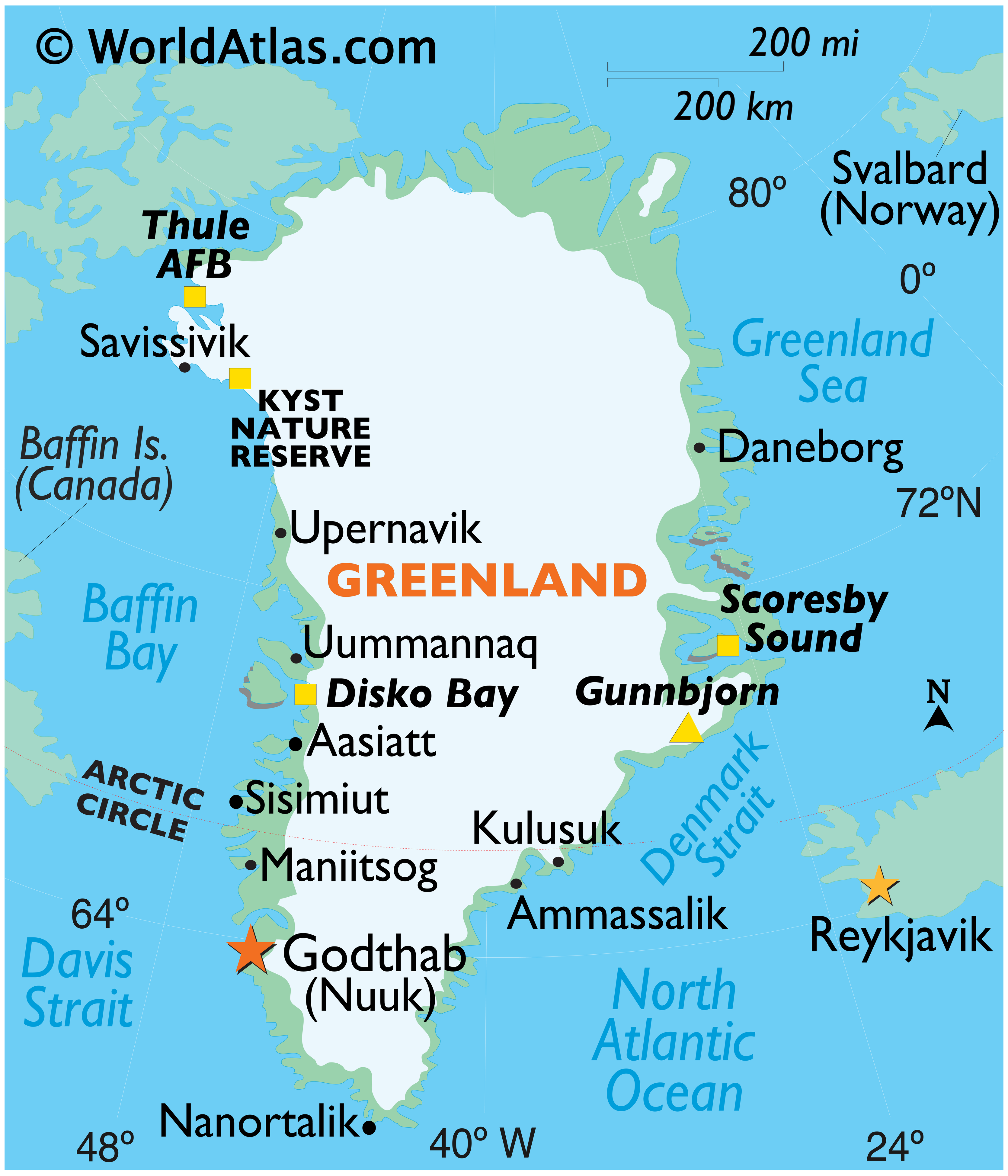
President Trump’s public comments about Greenland—ranging from preferring to buy the island to the more inflammatory suggestion that the U.S. could acquire it “one way or the other”—provoked swift reactions in Copenhagen and Nuuk and anxiety among U.S. allies. Lawmakers from both parties said a legislative response was necessary to reassure Denmark, uphold international norms, and prevent unilateral action that could weaken NATO’s mutual-defense architecture. Congressional delegation plans to visit Denmark underscore the urgency of damage control.
Competing domestic proposals and the balance of power
The Greenland episode has produced divergent bills in Congress. On one side are measures—sponsored by Democrats and some moderate Republicans—that would block funds or otherwise bar military seizure of allied territory. On the other side, at least one Republican lawmaker has introduced legislation with language that would authorize the president to take unspecified “necessary” steps regarding Greenland—an expression of the partisan and personal dynamics now shaping the debate. Both approaches face hurdles: the former because it seeks to constrain executive latitude in wartime, the latter because many members of the president’s own party view outright seizure of NATO territory as unacceptable.
Legal questions the bills raise
Several complex legal issues intersect here:
- War Powers and Congressional Authority: Under the Constitution, Congress controls funding and has the power to declare war; proposed funding bans would use that leverage to block specific contingencies. Courts have historically been reluctant to adjudicate every war-powers dispute, but a funding restriction is a classic congressional tool.
- International Law and Sovereignty: Greenland is a self-governing territory within the Kingdom of Denmark; any attempt to change its status by force would implicate treaty obligations, the UN Charter, and obligations among NATO members. Denmark and Greenland have publicly rejected any transfer of sovereignty.
- Operational practicalities: A funding ban would not by itself change operational deployments already underway under lawful authorizations, but it would complicate logistics, sustainment and the legal cover for new operations.
Each legal point will likely surface if the bill advances or if the administration attempts any demonstrable forcible action.
Reactions: allies, analysts and the public
- Denmark and Greenland: Both governments have publicly rejected the idea of any U.S. takeover and emphasized that Greenland’s defense is a NATO responsibility under Danish sovereignty. Danish officials have stressed diplomatic channels and alliance unity.
- Congressional voices: Lawmakers traveling to Copenhagen framed the trip as reassurance; senior senators warned that unilateralism threatens NATO cohesion. Some Republicans have privately and publicly broken with the president’s rhetoric.
- Strategic analysts: Commentators see the legislative move as a defensive correction—an attempt to bind the executive, maintain predictable alliance behavior, and avoid setting a precedent for territorial revisionism among major powers.
What this means for NATO and Arctic security
If the crisis remains contained, the bill and accompanying diplomacy will likely restore short-term calm while reaffirming established alliance norms. But the episode spotlights longer-term issues:
- NATO’s Arctic posture and defense planning will receive renewed scrutiny; member states may accelerate consultations on Arctic bases, intelligence sharing and risk-reduction protocols.
- Trust among allies matters as much as formal treaty language; even rhetorical breaches can complicate force posture and contingency planning. The legislative response is therefore as much about signaling to allies as constraining unilateral action.
Disclaimer: This article summarizes public reporting and legislative activity for informational purposes only. It is not legal or policy advice. Consult primary sources—bill text, congressional votes, and official NATO statements—for decisions or formal analysis.