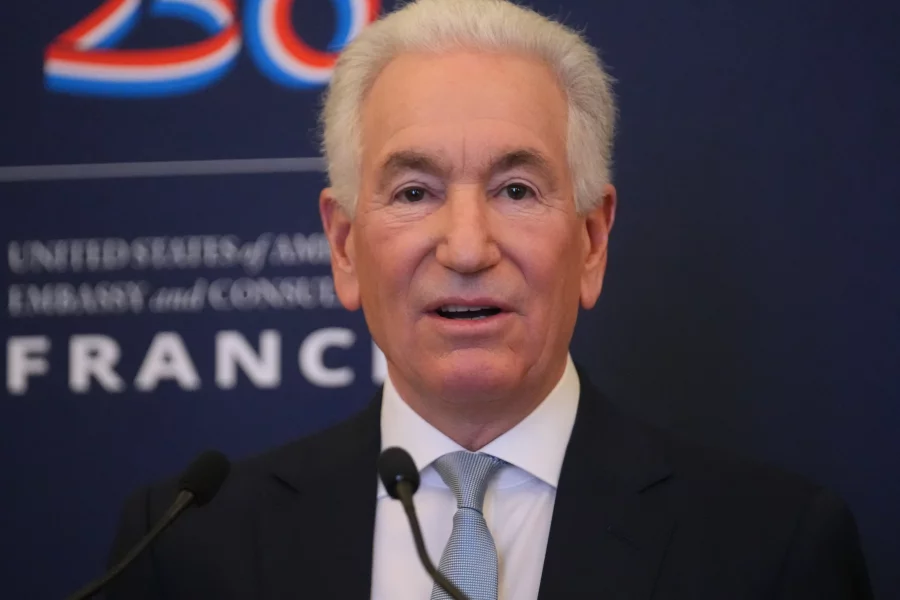
Key points
- France has barred Charles Kushner from direct access to government ministers after he failed to appear at a summoned meeting.
- The summons followed criticism from French officials about public statements from the U.S. Embassy in Paris and U.S. agencies concerning the killing of far-right activist Quentin Deranque — an issue Paris says risks politicizing an ongoing domestic case.
- French Foreign Minister Jean‑Noël Barrot framed Kushner’s absence as a breach of diplomatic protocol; Paris kept the door open for dialogue if the ambassador complies.
What happened (Charles Kushner Locked Out)
France’s foreign ministry summoned U.S. Ambassador Charles Kushner to explain remarks tied to the death of Quentin Deranque. Kushner did not attend; French officials say a senior embassy official attended in his stead. As a result, the French government announced the ambassador would be denied direct meetings with cabinet ministers until he responds to the summons — a clear diplomatic rebuke.
Why Paris reacted
French authorities said comments originating from the U.S. Embassy and the State Department — which linked the killing to rising radical left violence — risked interfering with an ongoing criminal matter and inflaming domestic politics. Paris argued the embassy’s public posture violated the norms that govern diplomatic engagement on sensitive internal issues. The foreign ministry’s move is measured (access is barred, not a full persona non grata expulsion), but it signals serious displeasure.
Diplomatic significance — why this matters
- Protocol and precedent: Summons are a standard tool when a host country objects to an envoy’s conduct. Refusing to appear and then being blocked from ministerial access escalates a protocol spat into a political incident.
- Bilateral optics: Tensions come at a sensitive moment in transatlantic relations; public rows risk distracting both governments from broader cooperation on security, trade and diplomacy.
- Room for repair: Because Paris stopped short of declaring Kushner persona non grata, normal diplomatic channels remain available if Washington and the ambassador engage constructively.
What the U.S. side may do
Washington typically responds to such measures through quiet diplomacy first — sending a high-level embassy official to meet, issuing clarifying statements, or arranging a new meeting. Public rebuttals are possible but could deepen the breach. The next 48–72 hours will be telling: if the ambassador replies and Paris accepts his explanation, the restriction may be lifted; if not, the standoff could widen.
Bottom line
France’s decision to bar Charles Kushner from ministerial access is a calibrated diplomatic sanction reflecting serious French displeasure about perceived interference. It’s avoidable — if Washington and the ambassador engage promptly and respectfully — but the episode underscores how sensitive domestic incidents can spill quickly into bilateral diplomatic frictions.