Key points
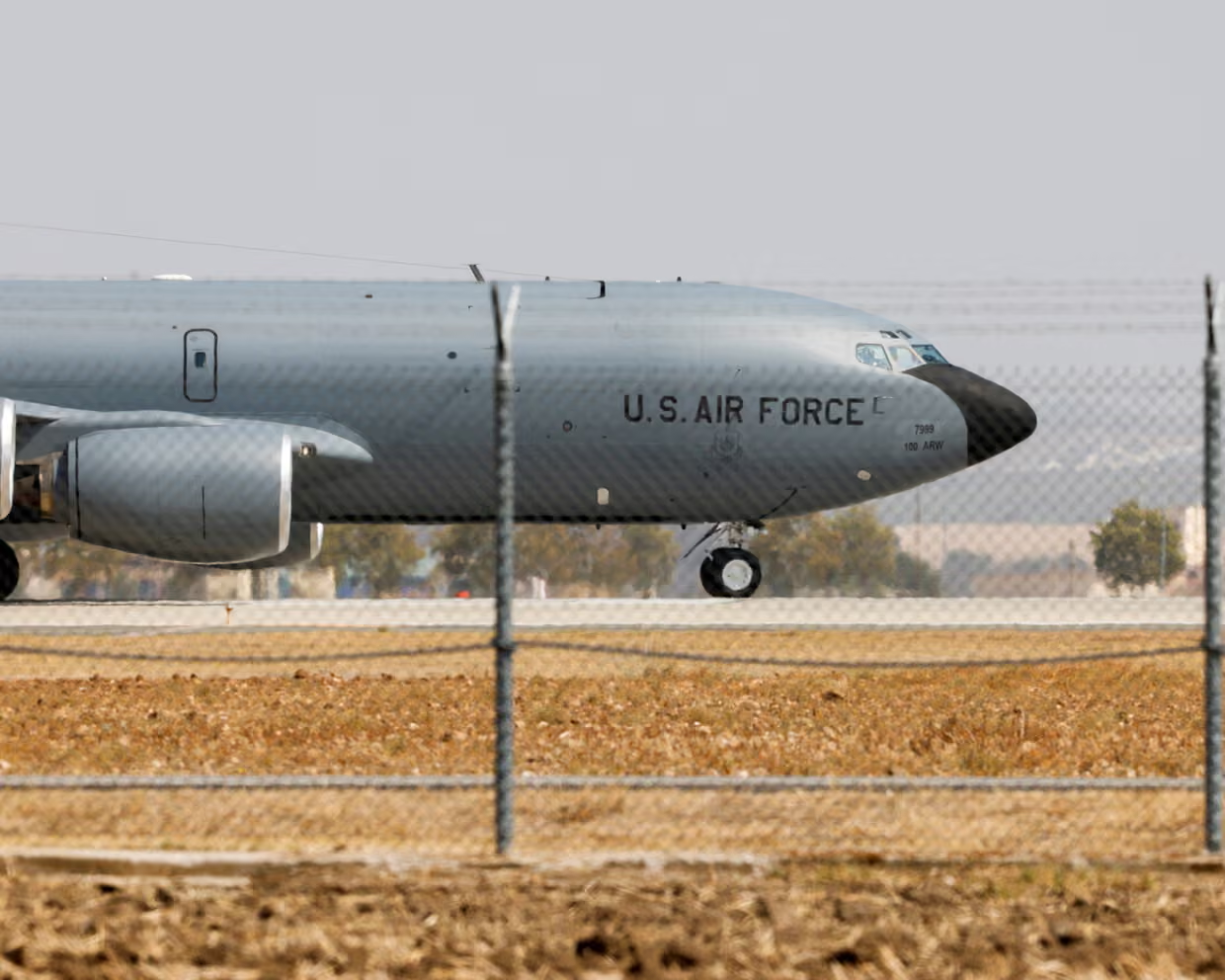
- Spain has closed its airspace to U.S. military aircraft tied to the Iran war, widening a diplomatic rift with Washington.
- Madrid says the move is consistent with its earlier refusal to let the U.S. use jointly run bases at Rota and Morón for attacks on Iran.
- The restriction does not apply to emergencies, but it forces U.S. flights linked to the war to reroute around Spain.
- President Donald Trump has threatened trade consequences against Spain, showing how the conflict is spilling into transatlantic politics.
Spain closes airspace to U.S. military over Iran war, widening rift with the U.S.
Spain has taken a sharper public stance against the Iran war by closing its airspace to U.S. military aircraft involved in the conflict. Reuters and AP reported that Spanish Defense Minister Margarita Robles confirmed the decision on March 30, saying it fits Spain’s broader refusal to assist operations it considers illegal and unilateral.
The move goes beyond Madrid’s earlier warning that the U.S. could not use jointly operated Spanish bases for strikes on Iran. Reuters said the restriction affects military flights heading toward the Middle East and forces them to reroute, except in emergencies.
Spain’s position has made it one of the most outspoken European critics of the Iran war. AP reported that Prime Minister Pedro Sánchez has repeatedly condemned the conflict as reckless and unjust, while Spanish officials have argued that their policy is meant to stay aligned with international law.
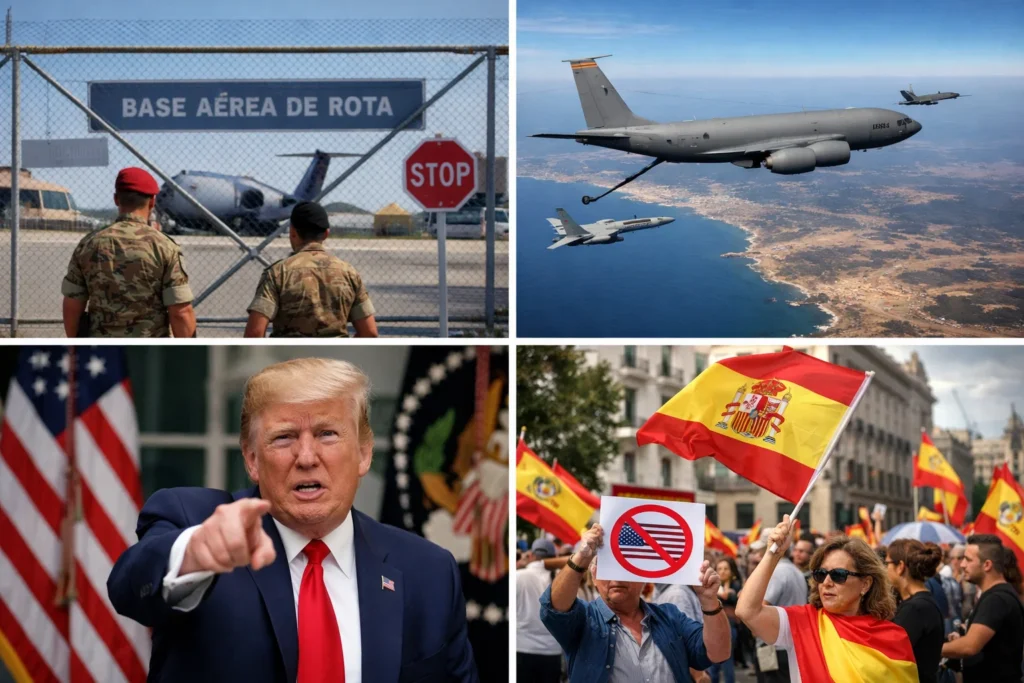
Washington is not taking the snub lightly. AP and Reuters both reported that Donald Trump responded by threatening trade repercussions against Madrid, turning a military access dispute into a broader transatlantic political fight.
Why does this matter? Because Spain sits at an important logistical crossroads for U.S. military transit between Europe and the Middle East. Any rerouting adds friction, time and uncertainty at a moment when the Iran war is already straining alliances, shipping and energy markets. Reuters and WSJ live coverage say the Spanish decision is being watched closely as a sign that European support for the U.S.-led war effort is far from unified.
For readers, the bigger picture is simple: this is no longer just a battlefield story. It is now a story about airspace, alliance management and whether European governments are willing to absorb political pressure from Washington to keep supporting the war. Spain has answered that question with a clear no.
Quick reader question: Should allies block military access when they believe a war is illegal, even if it risks a wider split with the United States?