Key Points
- Iranian Foreign Minister Abbas Araghchi says there are no active negotiations with the United States and that distrust remains a major barrier.
- President Donald Trump says the U.S. could start leaving the Iran war within two to three weeks, even without a formal deal.
- Reuters reports that the war has already spread across the region, disrupted energy markets, and raised pressure on the White House at home.
- Reports also show a narrow, uncertain diplomatic channel: messages may be moving through intermediaries, but that is not the same as formal talks.
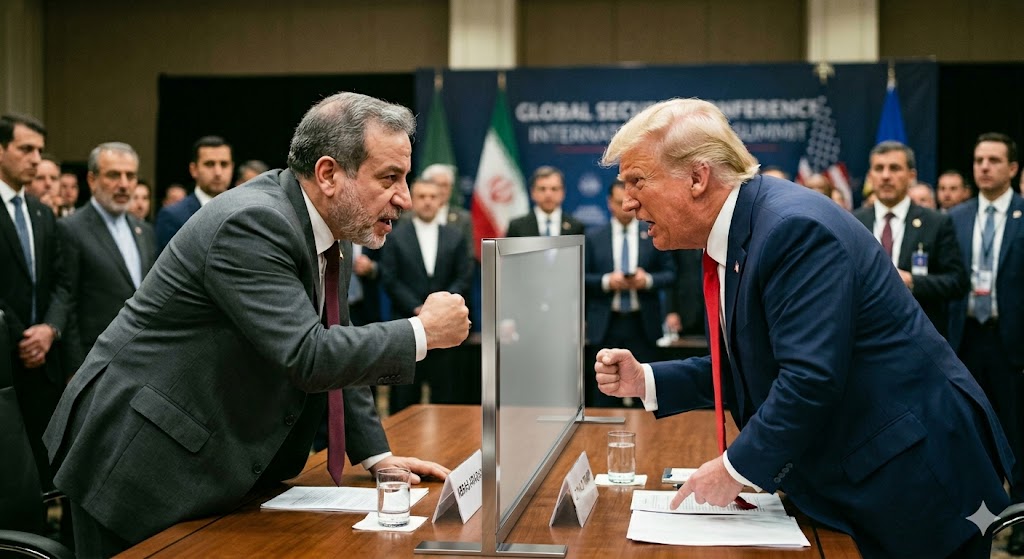
The latest signals from Washington and Tehran point in sharply different directions. On one side, President Donald Trump says the U.S. may be ready to wind down the Iran war within two to three weeks. On the other, Iranian Foreign Minister Abbas Araghchi is rejecting the idea that real negotiations are underway, saying Tehran does not trust the U.S. enough to treat the exchange of messages as meaningful diplomacy.
That gap matters because this is not just a political messaging battle. Reuters reports that the conflict has already spread across the region, with attacks hitting Gulf states, strikes landing inside Iran, and energy markets reacting sharply to every new statement from Washington. In other words, even a short path toward de-escalation could have major consequences for oil prices, shipping routes, and global confidence.
Araghchi’s position has been consistent: Iran says it is not asking for talks under threat, and it does not view indirect messages as real negotiations. Reuters reported earlier that he said negotiations cannot happen while threats and “excessive demands” remain on the table, and later reporting said his last contact with U.S. envoy Steve Witkoff was before the war began.
That is why Trump’s optimism is being treated cautiously by analysts and diplomats. Reuters also reported that Iran has hardened its negotiating stance, with senior sources saying Tehran wants assurances, compensation, and an end to military pressure before any serious dialogue can happen. A separate Reuters report said Iranian officials still deny direct communications even as mediators such as Pakistan, Turkey, and Egypt explore possible channels.
For readers following this story, the most important takeaway is simple: messages are moving, but trust is not. That leaves the conflict in a fragile middle ground where both sides may be trying to shape public perception while keeping their options open. Trump wants to project momentum and an eventual exit; Iran wants to avoid looking pressured into talks while military pressure continues.
What happens next will likely depend on whether indirect contacts turn into a verified diplomatic channel, or whether the rhetoric hardens into another round of escalation. For now, the public signal from Tehran is refusal, while the signal from Washington is confidence that the endgame may be close.