By Staff Reporter | Trenbuzz.com | April 2, 2026 | 6 Min Read
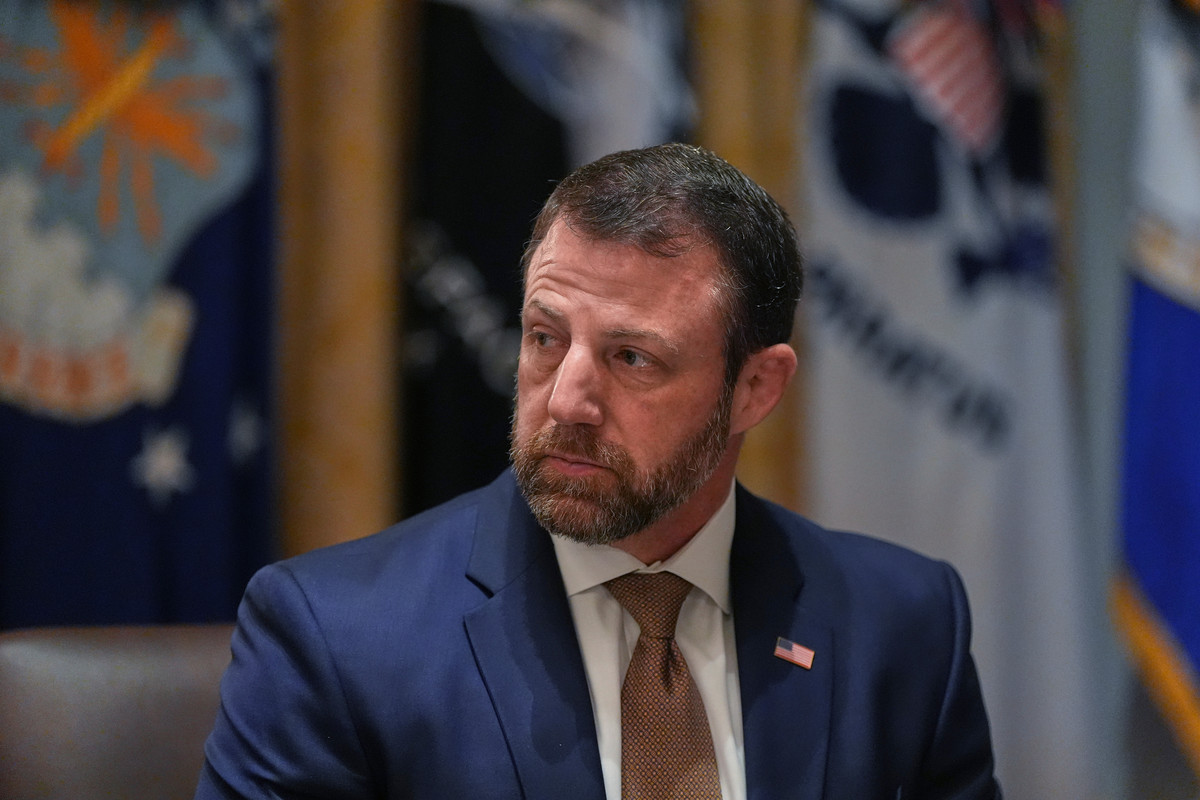
In one of his first major moves as the new DHS chief, Secretary Markwayne Mullin has killed a widely criticized rule that left billions in federal disaster aid sitting idle — and America’s most vulnerable waiting.
Key Points
- New DHS Secretary Markwayne Mullin rescinded former Secretary Kristi Noem’s policy requiring her personal approval for all contracts and grants over $100,000.
- The controversial rule — signed by Noem in June 2025 — created a massive bureaucratic bottleneck, delaying over 1,000 FEMA contracts and freezing roughly $2.2 billion in disaster relief funds.
- On average, each contract sat in Noem’s approval queue for three weeks before moving forward — a delay that directly impacted disaster survivors from the Texas floods and Hurricane Helene.
- Mullin called the policy “micromanaging” and “unrealistic” during his Senate confirmation hearing, pledging to scrap it if confirmed.
- Democrats welcomed the reversal, calling it “a win for accountability.” Emergency management groups across the U.S. praised Mullin’s decision as a “common-sense approach.”
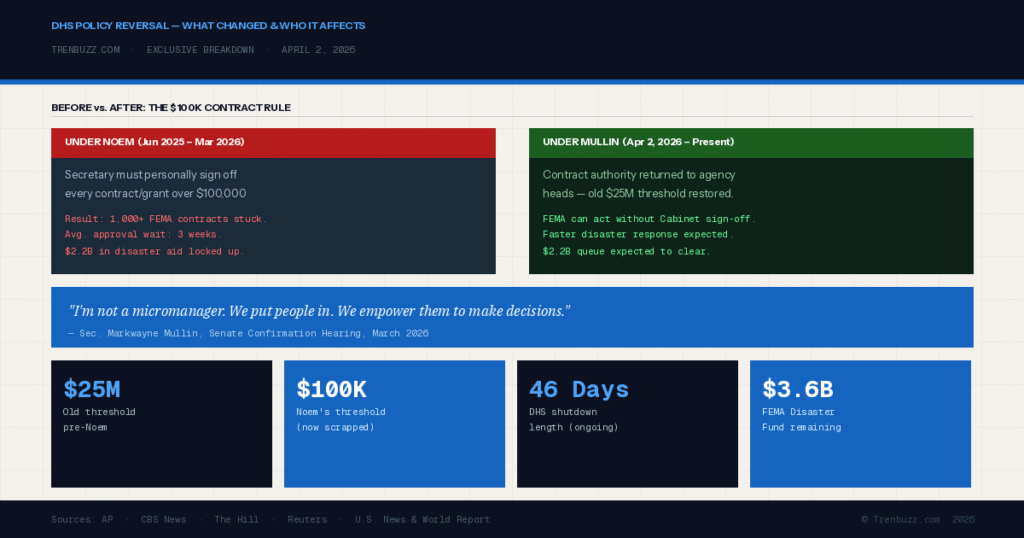
- The previous approval threshold under DHS secretaries before Noem was $25 million — meaning Noem had lowered it by 99.6%, inserting herself into thousands of routine procurement decisions.
DHS Reverses Noem Contract: A Policy That Froze Billions — and Left Disaster Victims Waiting
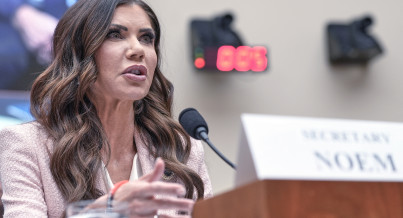
When Kristi Noem signed a directive in June 2025 requiring her personal sign-off on every Department of Homeland Security contract or grant exceeding $100,000, acquisition officials warned it would slow everything down. They were right.
By September, Democratic members of the Senate Homeland Security and Governmental Affairs Committee had already documented over 1,000 delayed FEMA contracts. Average processing time? Three weeks per contract. The backlog wasn’t just a bureaucratic headache — it translated directly into real suffering. Unstaffed call centers. Delayed Urban Search and Rescue teams during the deadly Texas flash floods. Housing inspections, crisis counseling, and temporary sheltering approvals all stuck in a queue waiting for one person’s signature.
As of Wednesday, approximately $2.2 billion in FEMA recovery and mitigation dollars were sitting frozen in the DHS approval pipeline — money Congress had already appropriated for Americans hit hardest by natural disasters.
North Carolina’s Republican Senator Thom Tillis, whose state is still recovering from Hurricane Helene’s devastation in 2024, minced no words at a Senate hearing before Noem was fired. “You’ve failed at FEMA,” he told her directly.
Enter Mullin: One of His First Calls Was to End the Gridlock
Markwayne Mullin was barely a week into his role as DHS Secretary when he made his first major policy call — and it was a swift one. On Wednesday, April 1, 2026, his office confirmed the rescission of Noem’s $100,000 contract review memo, effective immediately.
“Secretary Mullin re-evaluated the contract processes to make sure DHS is serving the American taxpayer efficiently,” a DHS spokesperson told The Hill. “This will streamline the contract process and empower components to carry out their mission to protect the homeland and make America safe again.”
The move restores contracting authority to agency heads across DHS — including U.S. Customs and Border Protection and U.S. Immigration and Customs Enforcement — returning the threshold back to the long-established $25 million level that applied under previous administrations.
Mullin’s position on the policy was never a mystery. During his Senate confirmation hearing in March, he made his stance crystal clear.
“I’m not a micromanager. We put people in. We empower them to make decisions.” — Secretary Markwayne Mullin, Senate Confirmation Hearing, March 2026
He called Noem’s approach “micromanaging” and “unrealistic,” promising transparent communication with agency heads while holding them accountable — not turning the Secretary’s office into a contract approval bottleneck.
Why Noem’s Policy Was Controversial From Day One
Noem’s directive, signed June 11, 2025, marked a dramatic departure from how DHS had operated for decades. Historically, secretarial approval was reserved for contracts exceeding $25 million — large-scale procurements that genuinely warranted Cabinet-level attention. Noem dropped that threshold by 99.6%, inserting her office into thousands of procurement decisions that had previously been handled at the agency level.
Critics argued almost immediately that the policy opened the door to political meddling in routine contracting decisions. Rep. Robert Garcia (D-Calif.), ranking member on the House Oversight Committee, had written to Noem in March urging the policy’s reversal, calling it a setup that enabled “backdoor interference.”
“DHS reversing course is a win for accountability and a clear rejection of backdoor interference,” Garcia said Wednesday after the reversal was announced.
The policy also drew scrutiny from the International Association of Emergency Managers, whose president Josh Morton said it created “an untenable situation for emergency managers” — one that hindered not just disaster response, but also mitigation and preparedness programs, “putting Americans at increased risk from disasters.”
“We appreciate Secretary Mullin’s common-sense approach to this matter, and we look forward to working with him,” Morton said in a statement praising the reversal.
What Comes Next — and What’s Still Unresolved
While Mullin’s move is being widely celebrated, the road ahead isn’t without complications. The rescission of Noem’s contract review memo is just one piece of a larger DHS reset underway. Mullin’s team is also pausing plans to purchase new warehouses for immigration detention while reviewing all contracts signed under Noem.
More pressingly, the DHS government shutdown — now in its 46th day and the longest in the department’s history — is still slowing the flow of funds. Even with the approval bottleneck lifted, FEMA’s non-lapsing Disaster Relief Fund is running low, with just $3.6 billion remaining. A DHS appropriations deal, which would inject over $26 billion into the fund, is reportedly close — with Republican lawmakers signaling progress Wednesday.
The question now is whether Mullin can translate this early, decisive action into a broader cultural reset at a department badly bruised by months of controversy, political drama, and operational dysfunction under his predecessor.
If his first week is any indication, he isn’t wasting time finding out.
Quick Facts: DHS Contract Policy — Then vs. Now
| Under Noem | Under Mullin | |
|---|---|---|
| Approval Threshold | $100,000 | $25 million (restored) |
| Who Approves? | Secretary personally | Agency heads |
| FEMA Contracts Delayed | 1,000+ | Expected to clear |
| Avg. Wait Time | 3 weeks | Immediate authority |
| Disaster Aid Stuck | ~$2.2 billion | In process of release |
Disclaimer: This article is based on verified reporting from CBS News, The Associated Press, The Hill, Reuters, and U.S. News & World Report as of April 2, 2026. All figures sourced from official DHS statements and congressional records.