Published: April 8, 2026 | TrenBuzz.com | World News & U.S. Politics
Key Points
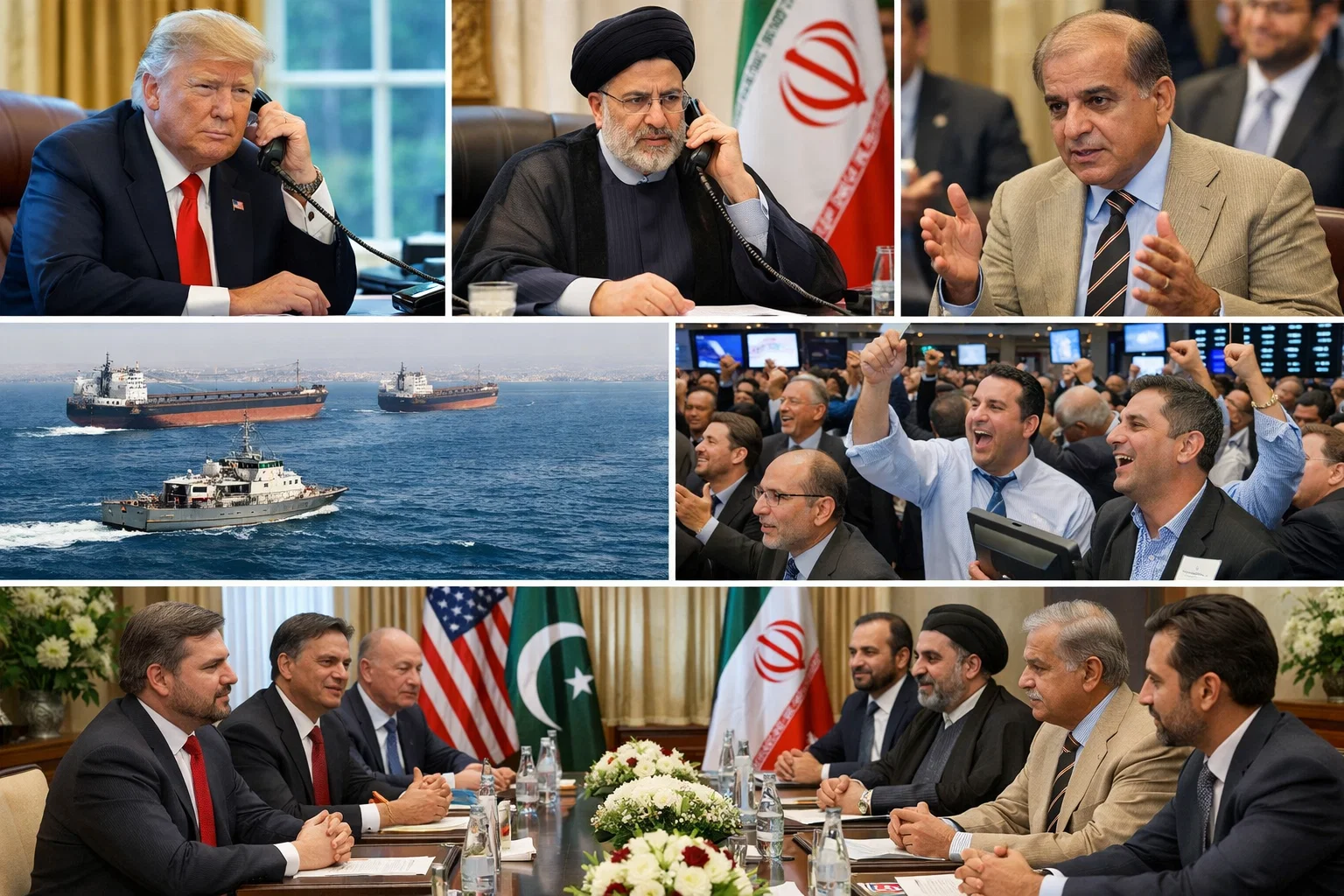
- The U.S. and Iran agreed to a two-week ceasefire on April 7, 2026 — less than two hours before Trump’s 8 p.m. ET deadline to bomb Iran’s power plants and bridges.
- Pakistan brokered the last-minute deal, with PM Shehbaz Sharif directly appealing to both Trump and Iran’s leadership.
- Iran’s 10-point peace proposal was accepted by Trump as a “workable basis” for negotiations.
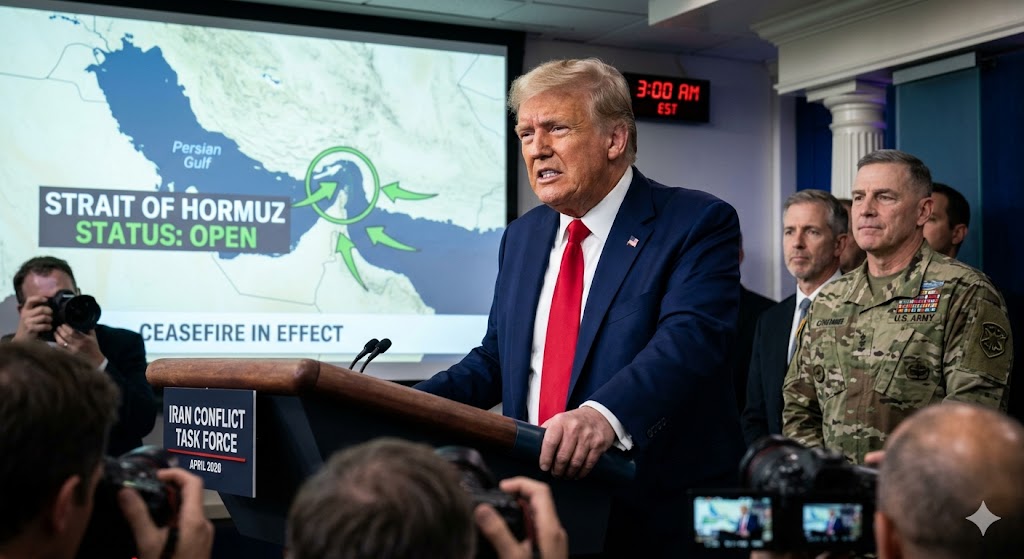
- The Strait of Hormuz — blocked since the war began Feb. 28 — will reopen for “safe passage” under coordination with Iran’s armed forces.
- Oil prices plunged up to 16% following the ceasefire announcement; global markets surged in relief.
- Peace talks are expected in Islamabad, with VP JD Vance likely leading the U.S. delegation.
The Day the World Held Its Breath
Few news days in recent memory have carried this kind of weight. By Tuesday morning, April 7, Trump had posted one of his most chilling messages ever — warning that “a whole civilization will die tonight, never to be brought back again” if Iran didn’t comply.
The abrupt pivot came just two hours before an 8 p.m. deadline he imposed for Iran to meet a set of demands centered on reopening the Strait of Hormuz, the strategic waterway through which roughly a fifth of the world’s oil supply passes.
By 8 p.m. ET — the deadline millions had been searching “did Trump bomb Iran today” to track — the bombs didn’t fall. Instead, a ceasefire was announced.
What Exactly Did Trump Agree To?
Trump took to Truth Social to announce he had reversed course, crediting Pakistan for mediating the settlement but warning the deal came with conditions — namely that Iran reopen the Strait of Hormuz. “Based on conversations with Prime Minister Shehbaz Sharif and Field Marshal Asim Munir, of Pakistan… I agree to suspend the bombing and attack of Iran for a period of two weeks,” Trump wrote.
Trump declared: “This will be a double sided CEASEFIRE! We received a 10 point proposal from Iran, and believe it is a workable basis on which to negotiate. Almost all of the various points of past contention have been agreed to between the United States and Iran.”
Iran’s 10-Point Proposal — What’s In It?
Iran’s 10-point proposal includes withdrawing U.S. combat forces from all regional bases, lifting all sanctions, releasing Iranian assets frozen abroad, and full payment of Iran’s war-related damages. It would also establish a protocol for controlled passage through the Strait of Hormuz.
Iran would charge a fee of $2 million per ship for passage through the strait, according to the New York Times. That’s a remarkable condition — Iran essentially demanding toll revenue to reopen a waterway the world depends on.
Is the Strait of Hormuz Open Now?
Yes — conditionally. Iran’s Supreme National Security Council said it had accepted the two-week ceasefire and would participate in talks with the U.S. “For a period of two weeks, safe passage through the Strait of Hormuz will be possible via coordination with Iran’s Armed Forces,” the statement said.
About 1,500 ships — many of them tankers — had been waiting off the coasts of Oman and the UAE for the strait to be safe again. That traffic jam is now expected to begin clearing.
How Pakistan Saved the Night
The unsung hero of this ceasefire? Islamabad. Pakistan’s PM Sharif asked Trump for a two-week extension of his deadline and also asked Iran’s leadership to open the strait for two weeks “as a goodwill gesture.”
Both sides listened. It was a stunning moment of diplomacy in a conflict that had already killed thousands and triggered a global energy crisis.
Markets Explode With Relief
Markets hailed the ceasefire news, with the international oil price benchmark falling 13% as of Tuesday night, and S&P 500 futures indicating the stock index could open up more than 2% on Wednesday.
The Nikkei Stock Average in Japan rose sharply, gaining more than 2,600 yen following Trump’s announcement.
What Happens Next?
The U.S. and Iran are expected to hold peace talks on Friday in Islamabad, with Vice President Vance likely to lead the U.S. delegation.
The next two weeks are critical. Iran’s Supreme National Security Council hinted that the ceasefire could be extended beyond its initial two weeks if negotiations proceed favorably.
But Israeli PM Netanyahu has already complicated things by stating the deal does not cover Lebanon — contradicting Pakistan’s claim. The war may be paused, not over.
Iran Ceasefire 2026: Follow TrenBuzz.com for every update on the Iran ceasefire, Strait of Hormuz developments, and the Islamabad peace talks as they unfold.
Disclaimer: This article is for informational and news reporting purposes only. All content is sourced from verified, publicly available news reports as of April 8, 2026. TrenBuzz.com does not endorse any political position, government, or military action described herein. Reader discretion is advised.