Published by TrenBuzz.com | April 27, 2026
Key Points at a Glance- Iran War Live
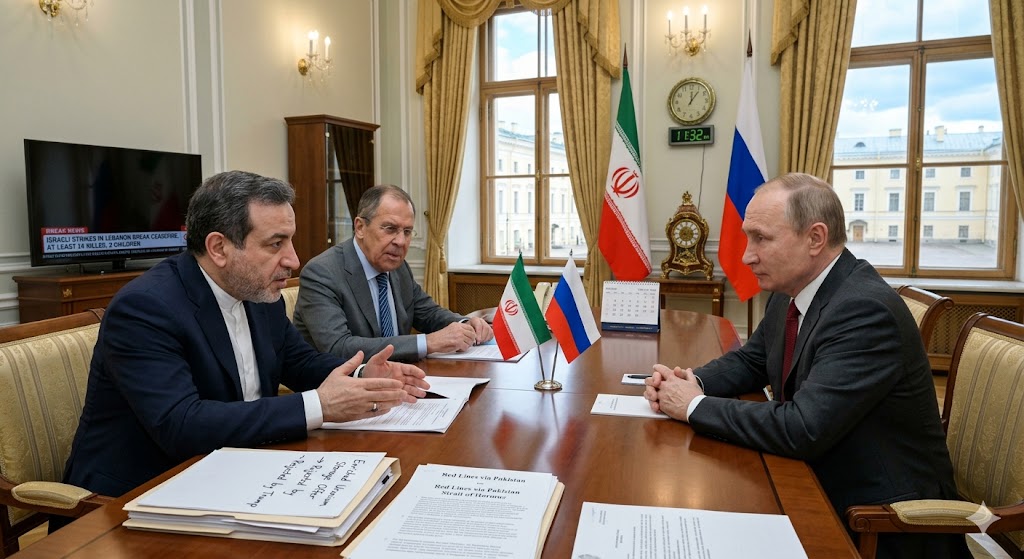
- Iranian FM Abbas Araghchi arrived in St. Petersburg, Russia on Monday, April 27, for direct talks with President Vladimir Putin.
- The visit follows a frantic 48-hour diplomatic sprint — Pakistan (twice), Oman, and now Russia.
- Araghchi will also meet Russian FM Sergey Lavrov — Iran and Russia’s alliance is described as “a united front.”
- Russia has offered to store or reprocess Iran’s enriched uranium on Russian soil — Trump reportedly rejected the offer.
- Iran transmitted written “red lines” to the US via Pakistan — covering nuclear issues and the Strait of Hormuz.
- Trump cancelled his envoys’ Islamabad trip, saying there’s no point “sitting around talking about nothing.”
- Russia vetoed an anti-Iran resolution at the UN Security Council, and has been Iran’s most powerful diplomatic shield.
- The US naval blockade has now turned back 38 ships from Iranian ports.
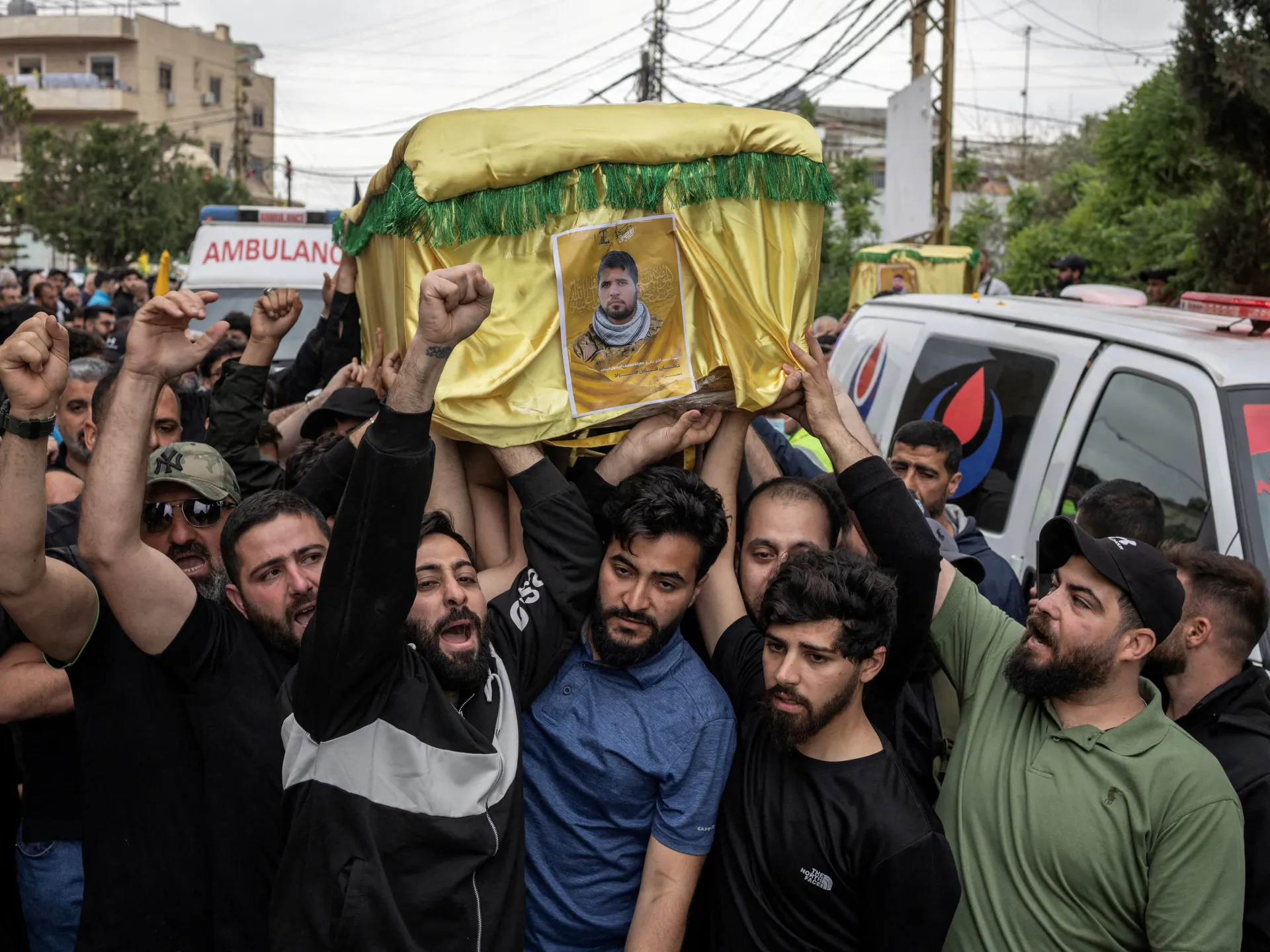
- Israel continues to strike southern Lebanon despite a US-brokered ceasefire, killing at least 14 people including two children on Sunday.
- Iran and Russia signed a 20-year partnership treaty in January 2025 — covering economic, military, and political cooperation.
While Washington cancelled its envoys’ trip to Pakistan and told Tehran to “just call,” Iran’s top diplomat was doing the opposite — moving fast, moving wide, and heading straight to Vladimir Putin.
Araghchi is set to meet Putin on Monday during an overseas tour that also included meetings with key mediators in Pakistan and Oman on Sunday, amid stalled talks with the US. Russia has remained a critical diplomatic ally for Iran throughout the war with the US, offering to take custody of Iran’s enriched uranium and proposing to store or reprocess it on Russian soil.
Why Moscow? Understanding the Iran-Russia Alliance
Russia and Iran are longstanding partners, and Moscow has been a critical diplomatic ally for Tehran throughout the war. Iran and Russia signed a 20-year treaty in January 2025 strengthening their economic, military, and political partnership.
Iran’s Ambassador to Moscow Kazem Jalali said Araghchi and Putin will focus on “coordinating interactions and advancing joint programs at the regional and international levels.” He expressed appreciation for Russia’s firm stance condemning the US-Israel war and its support for Iran, including vetoing the anti-Iranian resolution at the United Nations Security Council.
Iran and Russia present “a united front in the campaign of the world’s totalitarian forces against independent and justice-seeking countries, as well as countries that seek a world free from unilateralism and Western domination,” Jalali added.
What Araghchi Told Iran’s State Media on Landing
Araghchi said his trip to St. Petersburg “is a good opportunity for us to consult with our Russian colleagues regarding the developments related to the war.” He added: “We have always held meetings with Russia to discuss broad issues, especially regional and international matters.” While in Oman, Araghchi said he discussed their shared interests in the Strait of Hormuz — calling safe passage “an important global issue” requiring coordination among coastal states.
The Uranium Wildcard — Russia’s Bold Offer
Russia has offered to take custody of Iran’s enriched uranium — proposing to store or reprocess it on Russian soil. The Kremlin’s offer was reportedly rejected by Trump, who insists the material must physically leave Iran and come to the United States.
The Russian proposal represents an alternative path that could theoretically satisfy Western non-proliferation goals without requiring Iran to surrender its nuclear material directly to its enemy — but Washington doesn’t appear ready to accept Moscow as the solution’s broker.
The 48-Hour Diplomatic Marathon — How We Got Here
Araghchi traveled once to Oman and twice to Pakistan over the weekend before heading to Moscow. Iran’s ISNA news agency reported that Tehran transmitted “written messages” to the US via Pakistani mediators, which addressed “some of the red lines of the Islamic Republic of Iran, including nuclear issues and the Strait of Hormuz.” The messages were described as clarifications of Iran’s positions — not part of formal negotiations.
Araghchi described his Pakistan trip as “very fruitful” but signaled skepticism over Washington’s intentions, stating he had “yet to see if the US is truly serious about diplomacy.” US special envoys Witkoff and Kushner were meant to head to Pakistan on Saturday — but Trump cancelled the trip, insisting there was no point “sitting around talking about nothing.”
Trump’s Response — And the Blockade’s Bite
The two-week-old US blockade has prevented 38 ships from entering or leaving Iranian ports. Trump defended cancelling the Pakistan trip on Sunday, saying Iranian authorities “can call” if they want to talk and reiterating his claim the war could “come to an end very soon,” while adding the US is “going to be very victorious.”
Trump told reporters: “They gave us a paper that should have been better, and — interestingly — immediately when I cancelled it, within 10 minutes, we got a new paper that was much better.” Whether that paper leads anywhere now depends on what Araghchi and Putin decide together in St. Petersburg.
The axis from Tehran to Moscow is tightening. And as Washington watches Iran’s foreign minister sit across the table from Putin, the US must now factor Russia into every move it makes next.
Disclaimer: This article is for general informational and news reporting purposes only. All quotes, diplomatic details, and developments referenced are based on publicly available and credible news sources including CNN, Al Jazeera, Euronews, and AP as of April 27, 2026. TrenBuzz.com does not represent any government, military, or diplomatic body. Readers are encouraged to follow credible international news sources for real-time updates as this situation continues to evolve rapidly.