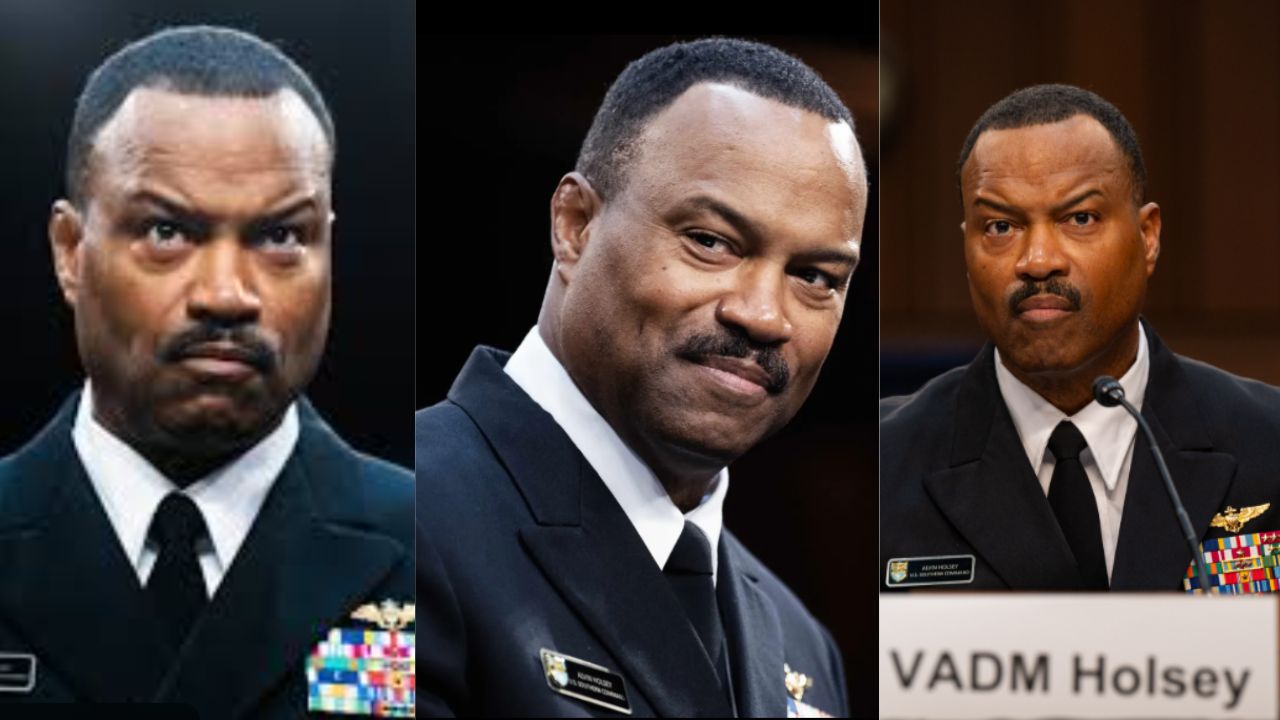
Admiral Alvin Holsey Stepping Down: Admiral Alvin Holsey, commander of U.S. Southern Command (SOUTHCOM), announced he will retire at year’s end after serving less than a year in the post. The decision, disclosed publicly in mid-October 2025, comes as U.S. forces carry out a large Caribbean deployment and conduct strikes on vessels the U.S. has labeled as drug traffickers. This post explains the background, timeline, political and operational context, and what readers should watch next.
1) Who is Alvin Holsey — short bio for new readers
Alvin Holsey is a four-star U.S. Navy admiral with more than 37 years of service.
He commissioned through the NROTC program at Morehouse College and rose through aviation and command billets.
Holsey took command of U.S. Southern Command in November 2024, a post that normally lasts roughly three years.
2) What happened — the announcement in plain terms
On October 16, 2025, Defense Secretary Pete Hegseth announced on social media that Adm. Holsey plans to retire at the end of the year.
Official SOUTHCOM messaging confirmed Holsey’s statement expressing pride in his team and gratitude for service.
Pentagon spokespeople provided few additional details publicly at the time of announcement.
3) Why this is news now — operational context
Holsey’s departure arrives amid a rapid U.S. military buildup in the Caribbean and an uptick in lethal strikes at sea against vessels labeled as drug traffickers.
Those operations have drawn scrutiny in Washington and abroad, and U.S. lawmakers have asked for legal and operational explanations.
Because the job typically lasts multiple years, an early retirement or stepping down raises questions about internal disagreements and long-term strategy.
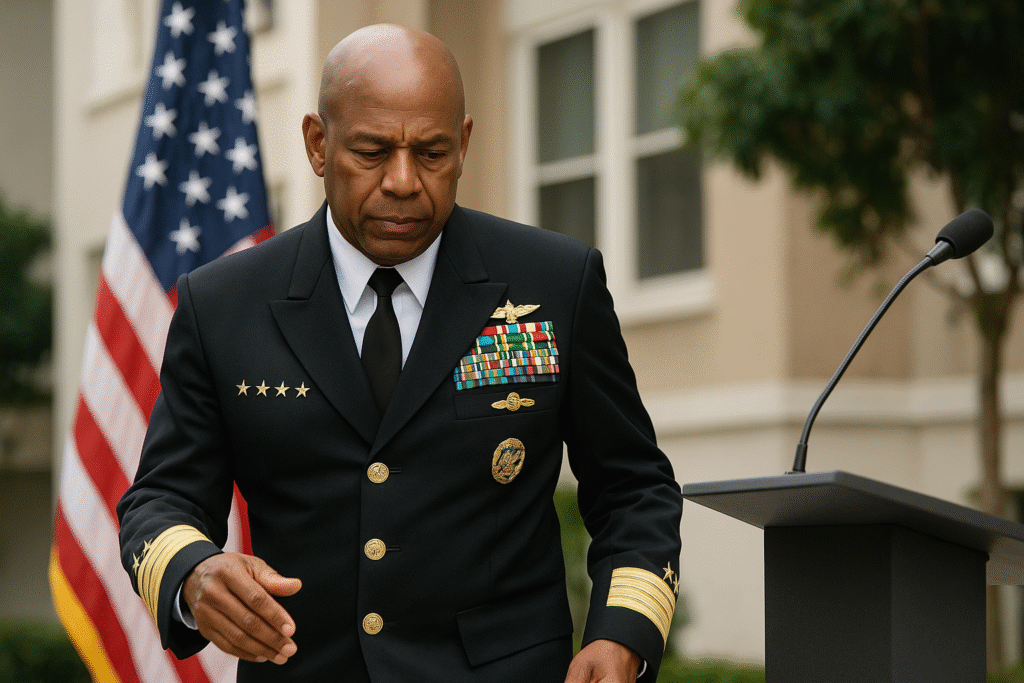
4) Timeline — step-by-step (easy reference)
• Nov 2024: Holsey assumes command of SOUTHCOM.
• Early–Mid 2025: SOUTHCOM increases presence in Caribbean; several strikes on small vessels reported.
• Oct 16, 2025: Secretary Hegseth announces Holsey will retire at year’s end; SOUTHCOM posts Holsey’s own message of thanks.
5) The big-picture significance — three lenses to consider
Operational: A change in SOUTHCOM leadership during an active counter-narcotics and regional pressure campaign can slow decision cycles and require rapid handover of sensitive operations.
Political: Lawmakers — particularly on key committees — are watching these actions closely; a leader stepping down early can intensify congressional oversight.
Diplomatic: SOUTHCOM’s relationships with regional militaries and partners matter; abrupt leadership changes can complicate coordination at a time when U.S. forces are more visible in the hemisphere.
6) Common questions readers are asking — answered simply
Q: Is Admiral Holsey being fired?
A: Publicly, the announcement is framed as a retirement effective at year’s end; Pentagon and SOUTHCOM releases did not use the word “fired.” Media reporting notes the departure is earlier than the typical three-year assignment.
Q: Did this relate to operations near Venezuela or drug-boat strikes?
A: Coverage from major outlets ties the timing of Holsey’s announcement to intensified operations in the Caribbean and discussions about the legality and advisability of certain strikes. Officials have not released a detailed internal rationale.
Q: Who will replace him?
A: As of the announcement, Pentagon officials had not named a successor. Leadership transitions at combatant commands typically follow prescribed succession or temporary acting arrangements.
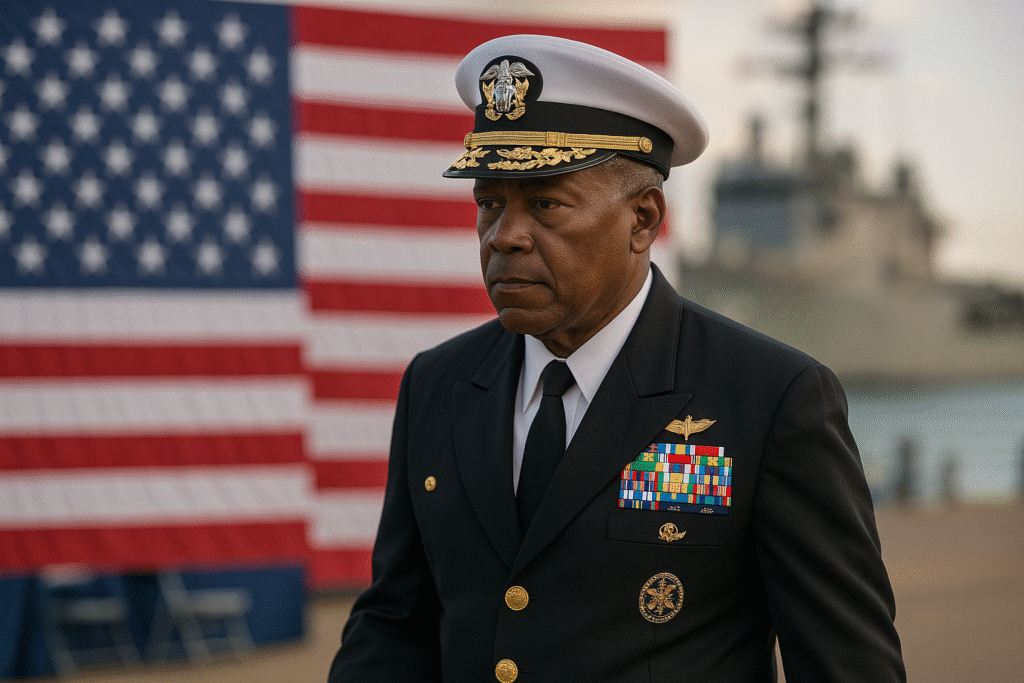
7) How reporters verified this story — a practical checklist for readers
- Primary statements — check official SOUTHCOM and Defense Department releases.
- Major wire reports — Reuters and AP published immediate confirmations.
- Context reporting — outlets such as Stars and Stripes and the Washington Post provided operational and historical context.
- Biographical records — the Navy’s official biography lists Holsey’s career milestones.
8) What this means for U.S. military posture in the region — short analysis
A senior commander’s early departure can produce short-term friction but does not automatically halt missions.
Operational control and oversight reside within the chain of command, and contingency plans exist for temporary leadership.
Still, long-term policy choices — how aggressively to use lethal force at sea, how to coordinate with partners, and how to manage legal authorizations — are shaped by leadership tone and internal counsel. Expect lawmakers to press for briefings.
9) Practical next steps for readers who want to follow the story
• Bookmark and revisit the official SOUTHCOM site for statements.
• Watch major wire services (Reuters, AP, NYT, WaPo) for follow-up reporting and named successors.
• Track congressional committee activity — the House and Senate armed services committees often request classified or unclassified briefings when combatant command leadership changes occur.
• Look for regional press (Caribbean and Latin American outlets) for partner reactions and on-the-ground impact reporting.
Interactive section — small tools you can use right now
- Quick verification: Search the date “Oct 16, 2025” plus “Alvin Holsey” to see the initial announcement across outlets.
- Official record lookup: Visit the Navy biography page to confirm Holsey’s commission date and prior commands.
- Share responsibly: If posting the story, include the date and cite official statements; avoid relaying unverified claims about motives.
Balanced context — what journalists and analysts are saying
- Several reputable outlets underline that Holsey’s tenure was shorter than normal and tie the departure to operational disagreements about rules of engagement and a stepped-up Caribbean campaign.
- Others note that frequent personnel changes in a short period can reduce institutional memory and complicate regional diplomacy.
- Observers also emphasize the human element: top commanders take responsibility for missions and outcomes, and public departures can be both personal and professional decisions.
Short FAQ — quick facts card (shareable)
- Name: Admiral Alvin Holsey.
- Position: Commander, U.S. Southern Command (SOUTHCOM).
- Announcement: Retirement planned at year’s end; announced Oct 16, 2025.
- Career length: ~37 years of service.
Why Trenbuzz covers this — short note to readers
This story sits at the intersection of defense policy, regional stability, congressional oversight, and public interest.
Admiral Alvin Holsey stepping down signals a moment worth watching: leadership at a major combatant command, active operations, and the potential for congressional scrutiny.
We aim to summarize verified facts, provide sources, and offer readers clear, actionable next steps.
Sources — verified
Below are the authoritative links used for this article. Each was verified at the time of writing.
- Reuters — “In surprise move, head of US military for Latin America to step down.” (Reuters)
https://www.reuters.com/world/americas/surprise-move-head-us-military-latin-america-step-down-2025-10-16/ - Associated Press — “US commander overseeing fatal strikes against alleged drug boats off Venezuela will retire.” (AP News)
https://apnews.com/article/7cf34c822b56945129baf7f0d2635f95 - U.S. Navy (official biography) — Admiral Alvin Holsey. (U.S. Navy)
https://www.navy.mil/Leadership/Flag-Officer-Biographies/Search/Article/2236328/admiral-alvin-holsey/ - Stars and Stripes — “Commander overseeing US buildup in Caribbean, attacks… steps down.” (Stars and Stripes)
https://www.stripes.com/branches/navy/2025-10-16/holsey-southcom-commader-steps-down-19450565.html - U.S. Naval Institute News (USNI) — “Admiral Overseeing Caribbean Mission to Retire after One Year in Role.” (USNI News)
https://news.usni.org/2025/10/16/admiral-overseeing-caribbean-mission-to-retire-after-one-year-in-role
Disclaimer : This article summarizes verified public reporting and official records as of October 2025. It is for informational purposes only and does not offer legal or medical advice. For official statements and the most current developments, consult the primary sources linked above.