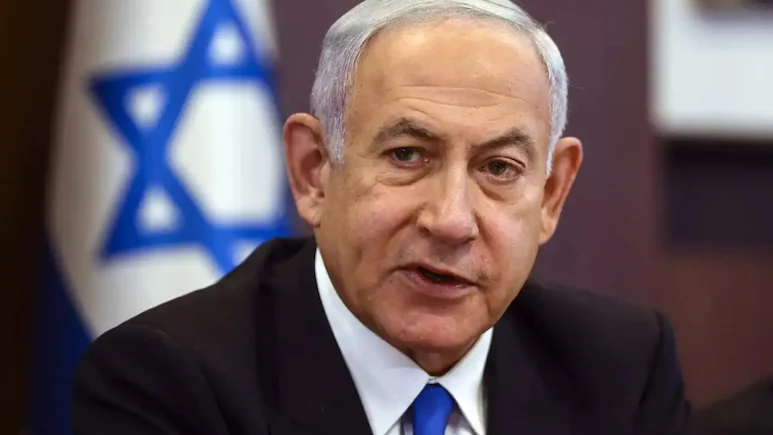
Key points
- The office of the prime minister says the premier is alive and well and has rejected viral claims that he was killed.
- The rumours appear to have been fuelled by a viral video with visual oddities (a claimed “sixth finger”) that social media users suggested was AI-altered; officials and fact-checkers say the clip helped spread false death claims.
- Iran’s military outlets have amplified threats against the Israeli leader amid the wider Iran–Israel–U.S. conflict; Tehran-linked statements said they would “pursue” the premier if he were alive — raising regional tensions but not proving the rumour.
- Israeli public messaging and official briefings show the prime minister continuing to issue statements and comment publicly on the conflict; there is no verified evidence that he has been killed.
Benjamin Netanyahu latest update- Quick answer to the search queries you listed
- “Is Netanyahu alive?” — Yes: the prime minister’s office has publicly called reports of his death “fake news.”
- “Benjamin Netanyahu latest news / Netanyahu news today” — the latest verified reporting shows him continuing to make public statements about the conflict and denies the viral death claims; separate coverage also notes threats from Iranian military channels.
- “Is Netanyahu killed?” — No verified evidence supports that claim; it traces back to viral social posts and a suspicious video that officials say are misleading.
What happened — short timeline
- A short video clip shared on the prime minister’s social account went viral after viewers noted an apparent visual anomaly (an extra finger). That oddity triggered speculation about deepfakes and, quickly thereafter, false claims that the premier had been assassinated.
- Social posts and some outlets repeated the unverified claim, amplifying confusion.
- Israel’s Prime Minister’s Office publicly denied the reports and called them “fake news.”
- Iran’s Revolutionary Guards and state outlets published hostile rhetoric — including statements saying they would “pursue and kill” the Israeli leader if he were alive — but those are threats, not confirmation of any incident.
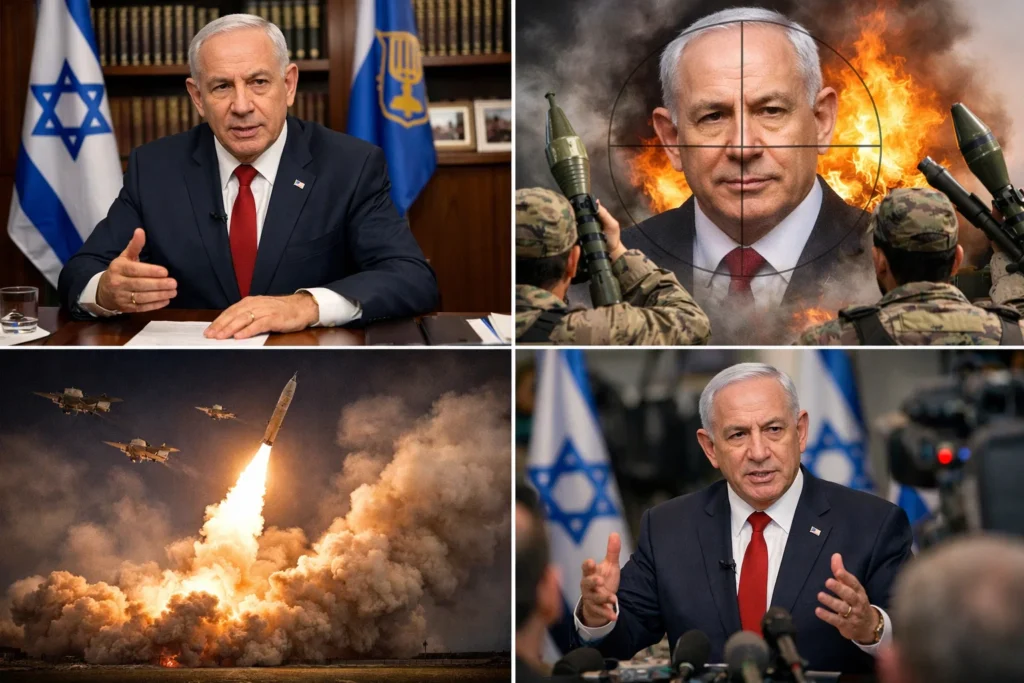
Why the rumour spread so fast
- Visual quirks + deepfake fears: In a tense conflict environment, small visual glitches (a finger, lighting or edit artefact) are quickly framed as proof of video tampering. That makes social media a super-fertile ground for conspiracy and false claims.
- Rapid amplification: A few re-posts by high-reach accounts can make an unverified claim look like breaking news.
- High stakes & emotional context: When lives of top leaders are allegedly at risk amid active strikes and retaliation, audiences are primed to believe dramatic claims.
How authorities and credible outlets responded
- The Prime Minister’s Office issued a denial and told media the premier is “fine.”
- Major reporting outlets corroborated that there was no verified evidence of death and continued to cover the conflict and related developments (official statements, military activity and diplomatic moves).
- Independent fact-checkers and some platform tools flagged the viral clip as suspicious and urged caution.
What to trust — a short verification checklist
- Official source first: look for an explicit statement from the Prime Minister’s Office or an official government channel. (That statement has already denied the death claim.)
- Multiple independent outlets: check whether reputable international wire services and established broadcasters report the same fact.
- Video provenance: look for original upload details (who posted it and when) and whether independent video-forensics groups (or reputable fact-checkers) have analysed it.
- Avoid forwarding: don’t share dramatic clips until verified — that’s how false claims cross the world in minutes.
What to watch next (signals that matter)
- Any new official statement from the prime minister’s office or the Israeli government (they’ve already denied the rumour).
- On-the-ground reporting from reliable international agencies confirming the prime minister’s public schedule, appearances or press briefings.
- Further declarations or operational claims from Iran or Tehran-linked outlets (these are threats that affect security posture but do not verify incidents).
Bottom line
There is no verified evidence that Benjamin Netanyahu has been killed. His office has publicly denied the claims and characterized the viral posts as fake; the original clip that triggered the rumours appears to have visual anomalies that sparked AI/deepfake suspicions. At the same time, hostile statements from elements in Iran increase the risk environment and help explain why misinformation spreads so quickly — but threats are not the same as confirmation. Stay tuned to primary government channels and reputable wire services for verified updates.