
Bondi Beach: A mass shooting at a Hanukkah event near Bondi Pavilion in Sydney left dozens wounded and at least 15 civilians dead, according to New South Wales authorities.
Police say one attacker was killed at the scene and a second was taken to hospital under guard; investigators are treating the incident as an ideologically driven, antisemitic attack.
Below is a clear, step-by-step briefing for TrenBuzz readers: who the authorities have identified, what happened at Bondi Beach, international reactions (including a White House comment), how Australia’s firearm rules are now in the spotlight, and what to watch next.
Table of contents
- Short timeline — how the attack unfolded
- Who the suspects are (what officials and media report)
- The victims and prominent losses, including Alex Kleytman
- Heroics on the scene and the fund for the civilian who intervened
- Global reactions — President Trump and other leaders
- Why gun laws in Australia are back on the agenda
- Background: why a Hanukkah event was targeted (authorities’ framing)
- Practical guidance for people with friends or family in Sydney
- What investigators are doing now and what to expect next
- Reader poll
1) Short timeline — how the attack unfolded
Police say the attack began late Sunday evening near the Bondi Pavilion during a “Chanukah by the Sea” event, with multiple shots fired from a pedestrian bridge into crowds gathered for the festival.
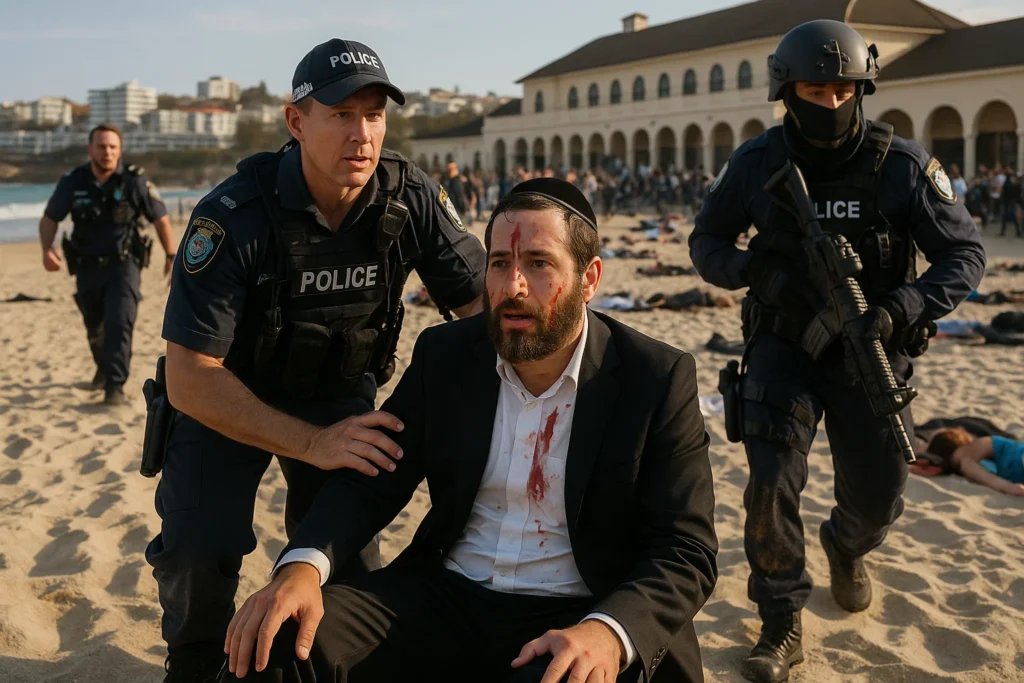
Emergency services responded within minutes; NSW officers engaged the attackers, fatally wounding one and taking the other into custody after he was shot and hospitalised.
2) Who the suspects are (what officials and media report)
Multiple Australian and international outlets report the shooters were a father-and-son duo identified as Sajid Akram (50) and Naveed Akram (24) in early reporting; police have said one attacker held licensed firearms.
Authorities are treating the incident as terrorism and are investigating the suspects’ background, firearms access and any potential extremist influences.
3) The victims and prominent losses, including Alex Kleytman
Reporting from several outlets lists victims across a wide age range; among the dead was Alex Kleytman, an elderly Holocaust survivor who reportedly shielded his wife during the attack and later died of his injuries.
Officials have stressed the human toll — families, community leaders and emergency personnel are now identifying victims and coordinating support for survivors.
4) Heroics on the scene and the fund for the civilian who intervened
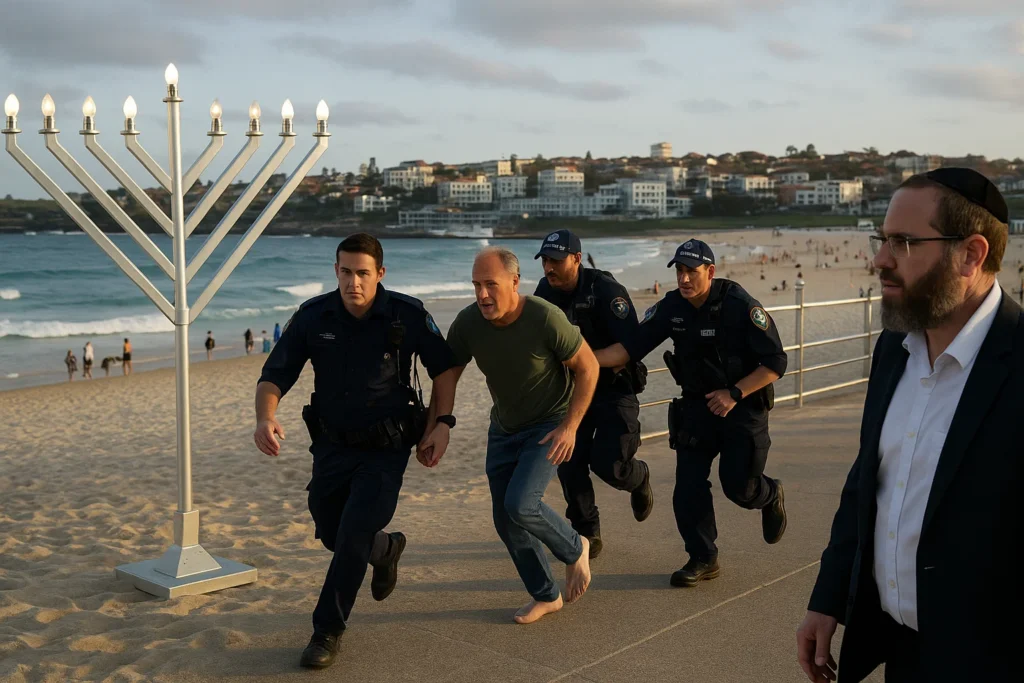
Video and eyewitness accounts show a civilian — widely identified in reports as Ahmed al-Ahmed — tackle and disarm one of the shooters, an action that likely saved lives despite severe injuries he sustained.
A public GoFundMe for the wounded civilian rapidly gained attention and donations, and billionaire investor Bill Ackman was reported to have contributed a six-figure amount to the campaign.
5) Global reactions — President Trump and other leaders
World leaders expressed shock and condemnation; U.S. President Donald Trump described the event as “a purely antisemitic attack” during comments at a White House reception and pledged support to victims.
The international outcry has been broad: national leaders, Jewish organisations and human-rights groups called for solidarity with Sydney’s Jewish community.
6) Why gun laws in Australia are back on the agenda
Australia already has strict gun regulations dating from 1996, but leaders from the federal government to state premiers said today that existing rules would be reviewed and tightened where necessary.
Prime Minister Anthony Albanese and state officials signalled an emergency policy discussion about licensing, storage requirements and the circumstances that allowed licensed weapons to be used in a mass attack.
7) Background: why a Hanukkah event was targeted (authorities’ framing)
NSW Police and national security agencies described the attack in strongly condemnatory terms and said investigators were probing ideological motives and links to extremist content or networks.
Early reporting indicates flags and other paraphernalia found with the attackers prompted terrorism and hate-crime classifications as the inquiry continues.
8) Practical guidance for people with friends or family in Sydney
If you have loved ones in Sydney, contact them directly by phone or official messaging rather than relying on social feeds; local authorities report dedicated hotlines and welfare centres for relatives.
Avoid visiting the scene — police ask the public to keep roads clear for emergency crews and to rely on verified channels (police statements, hospital bulletins) for updates.
9) What investigators are doing now and what to expect next
NSW Police and federal agencies (including counter-terrorism units) are executing searches of properties, reviewing digital evidence and liaising with intelligence services to reconstruct motive and planning.
Expect the death toll and victim lists to be finalised over coming days, formal coroner inquiries to begin, and legislation debates to emerge quickly at state and national level.
After Bondi, which response do you most want to see from policymakers?
What to watch next (quick checklist)
• Official NSW Police briefings and the Australian federal government’s national-cabinet notes for any announced gun-law changes.
• Hospital bulletins and family statements for confirmed victim lists and condition updates.
• Investigative reports on firearm licensing details and any findings about how the attackers acquired weapons.
Why careful reporting matters here
This is an active criminal and terrorism investigation involving named suspects, injured survivors and grieving families.
We rely on police statements and major news organisations for facts, avoid amplifying speculation, and will update if authorities release new verified information.
Disclaimer: This article summarises verified reporting available at the time of publication and is intended to inform readers about an ongoing criminal investigation and public-policy response.
If you have direct, verifiable information for investigators, contact NSW Police — do not post potentially sensitive evidence on social media. We will update this article as authorities release confirmed new information.