Key points
- Iran says the Strait of Hormuz remains open to all shipping except vessels tied to countries it calls “enemy-linked.” Reuters reports the warning came amid rising U.S.-Iran tensions.
- The Strait of Hormuz is a global energy chokepoint, carrying about 20% of world oil and LNG shipments, so even limited restrictions can move prices fast.
- The U.N. maritime agency has urged a safe corridor for stranded seafarers as shipping risk in the Gulf remains elevated.
Iran says Hormuz is open — but not for everyone
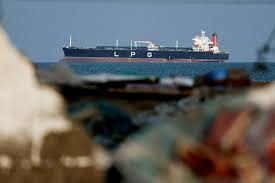
Iran’s latest message is clear: commercial traffic can pass through Hormuz, but ships linked to nations Tehran sees as hostile may face tighter scrutiny or restrictions. That distinction matters because the strait is not just a regional waterway; it is one of the world’s most important energy routes.
For traders, shipowners and governments, the headline is less about diplomacy and more about risk. If passage becomes selective, insurers, tanker operators and energy buyers may react before any official blockade is declared. Reuters says the situation has already pushed governments and maritime agencies to plan for safe transit and evacuation support.
Why readers should care
A few words from Tehran can ripple into oil prices, freight costs and inflation expectations within hours. That is why Hormuz is watched so closely: when traffic slows, the whole market feels it.