Key points
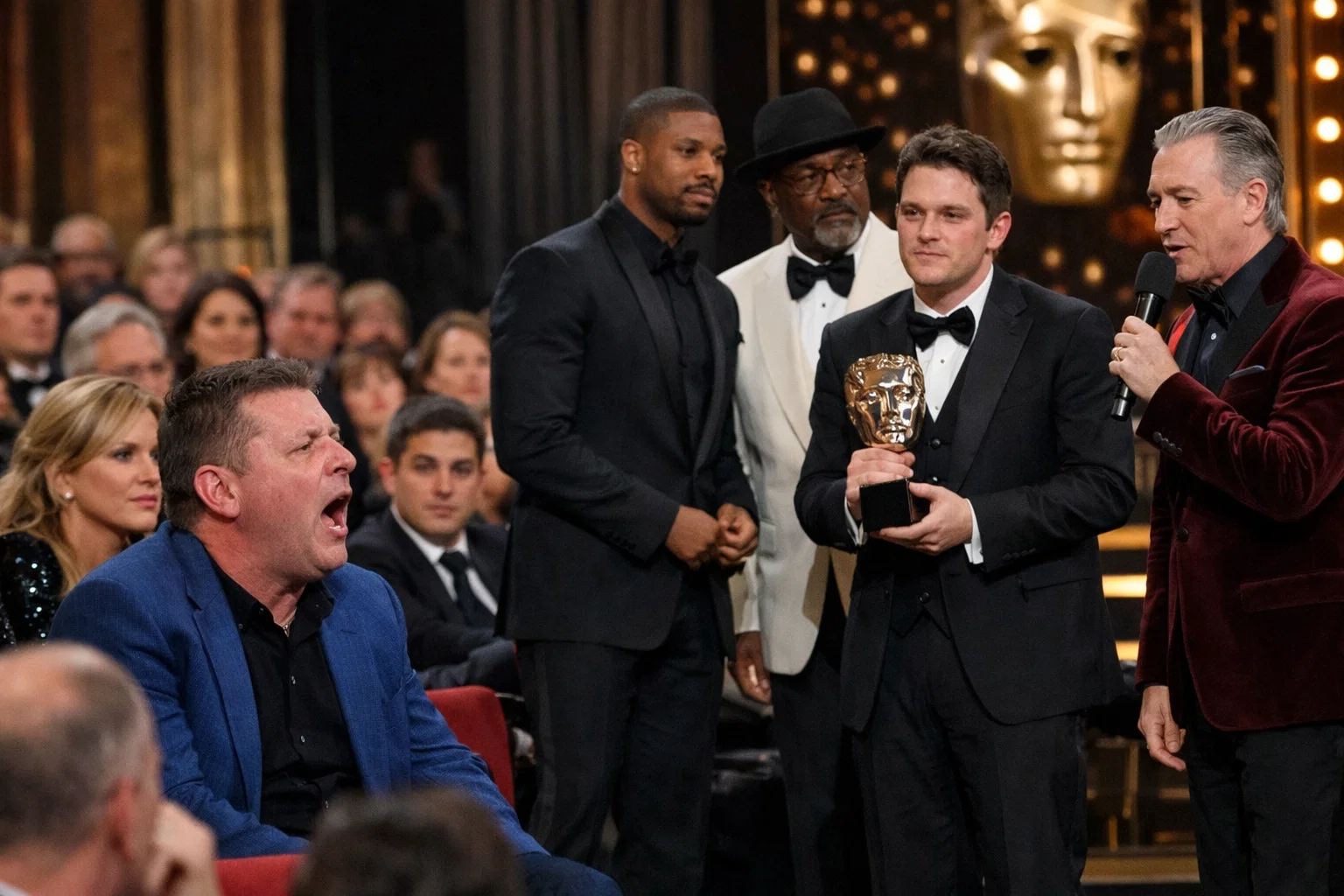
- An audience member with Tourette syndrome, John Davidson, who inspired the film I Swear, had involuntary vocal tics during the 2026 BAFTA ceremony. The outbursts included a racial slur heard on the broadcast, prompting immediate apologies.
- Actor Robert Aramayo won Best Actor for portraying Davidson in the film; presenters on stage included Michael B. Jordan and Delroy Lindo. The moment overshadowed awards coverage and triggered wide reaction.
- Host Alan Cumming apologized on stage, and the broadcaster BBC later apologised and removed the unedited version from its streaming service while pledging edits. The incident has sparked debate about disability, live TV and editorial responsibility.
John Davidson Tourette Outburst — straightforward timeline
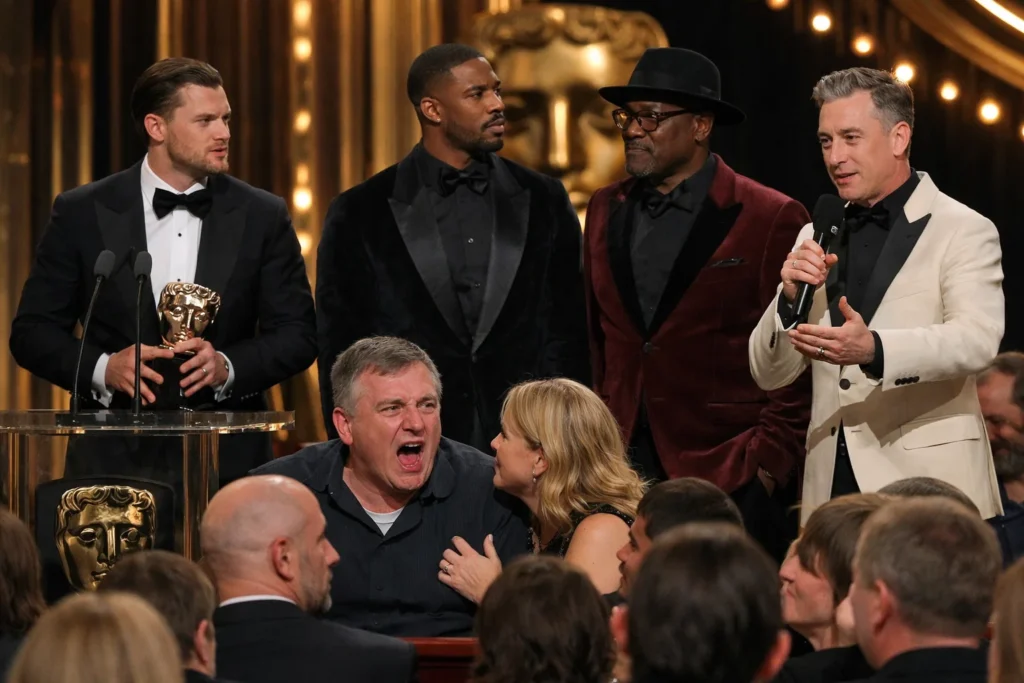
At the BAFTAs, an invited guest who has Tourette syndrome produced multiple involuntary expletives and, on one occasion, an audible racial slur while presenters were on stage.
The host intervened and apologised during the ceremony; afterwards the BBC and BAFTA issued statements acknowledging that the language was broadcast and apologising for offence caused.
Why this became a national conversation
The episode sits where three sensitive issues collide: a disability that can cause involuntary speech, an offensive racial slur directed (in perception) at Black actors, and the reality of a televised awards show with millions of viewers.
Commentators and celebrities quickly weighed in, some urging more nuance and others saying broadcasters should have prevented the slur reaching audiences.
Film context — I Swear and the man behind the story
The film I Swear tells the life of John Davidson and raised awareness of Tourette syndrome; its success at BAFTA — including Robert Aramayo’s Best Actor win — adds complexity to the backlash.
Many viewers said the ceremony’s failure to pre-censor or edit the broadcast felt like a misstep given what the film itself seeks to illuminate.
Reactions: disability groups, stars and the public
Disability advocates stress that vocal tics are involuntary and urged empathy toward people with Tourette syndrome, while public figures including some Black actors and industry leaders voiced hurt and concern about the racial impact.
High-profile voices on social media called both for compassion and for clearer broadcast safeguards — a debate now unfolding across news outlets and comment threads.
The broadcasting question — what should networks do?
Broadcasters use delays and edit tools for live events; critics say the BBC should have bleeped or cut the offending audio before transmission or removed it from on-demand archives more quickly.
Supporters of the BBC point to the difficulty of anticipating specific, involuntary outbursts and stress the need to protect disabled guests from stigma.
How journalists should cover this — reporting responsibly
Avoid repeating the slur in copy; describe it as a “racial slur” or “the N-word” to explain the offence without amplifying the term.
Contextualise: explain Tourette syndrome basics, the film’s message, the broadcast timeline and the range of public reaction rather than treating the incident as only a scandal.
Quick FAQ — short answers readers want
Was the outburst intentional?
Authorities, BAFTA and disability groups state the vocalisations were involuntary tics consistent with Tourette syndrome; eyewitnesses say the guest did not intend to offend.
Did the film still win awards?
Yes. The film about Davidson’s life secured major wins at the ceremony, including Best Actor for Robert Aramayo.
Did the BBC remove the broadcast?
The BBC apologised and removed or edited the programme from its streaming service and said it would address how the slur was broadcast.
Final take — a conversation, not an answer
The BAFTA incident forces two necessary conversations to run in parallel: one about the pain and offence caused by racial slurs, and another about how society understands and portrays neurological conditions like Tourette syndrome.
How BAFTA, broadcasters and the film community balance sensitivity, accountability and education in the weeks ahead will determine whether this moment becomes an opportunity for learning or simply another social-media flashpoint.
Disclaimer: This article summarises contemporaneous reporting (February 2026). It avoids repeating offensive language and aims to balance coverage of disability, legal context and public reaction.