By TrenBuzz — Special report
Key points
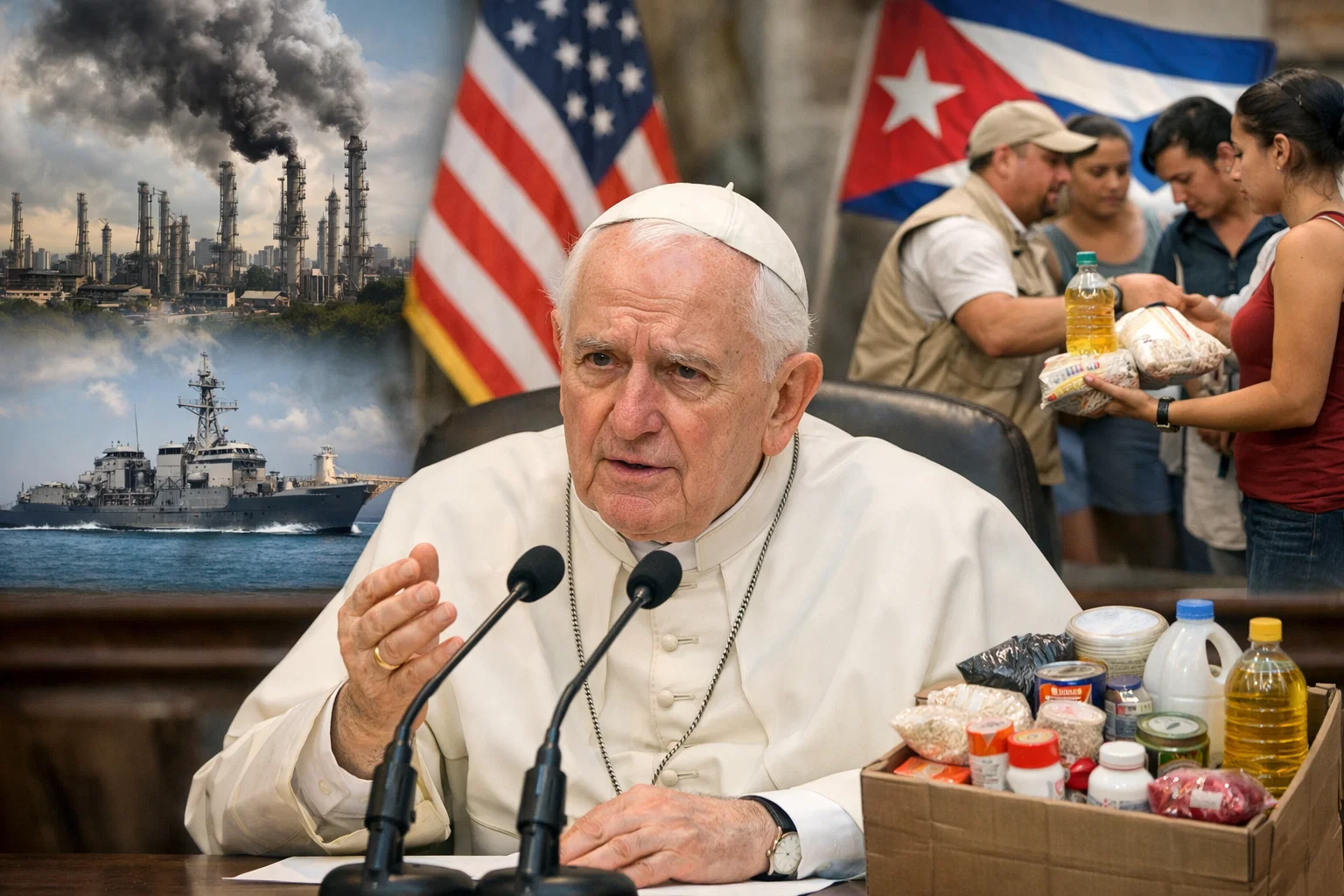
- Pope Leo said he was “deeply concerned” about rising tensions between the United States and Cuba and urged both sides to pursue “sincere and effective dialogue” to avoid violence and reduce suffering for Cuban civilians.
- The pope explicitly echoed a similar call from the Cuban bishops, framing his appeal as a pastoral and diplomatic effort to open channels for negotiation and humanitarian safeguards.
- His comments follow a recent round of U.S. pressure — including announced tariff threats on countries supplying oil to Cuba after the Maduro capture — which Havana called an “international emergency.” The Vatican appeal arrives amid heightened regional concern.
- The Vatican’s intervention is moral and facilitative rather than prescriptive: it asks leaders and mediators to prioritize people over posturing and to create practical steps that protect food, medicine and fuel flows.
Pope Leo asks US— the short version
Pope Leo used his Sunday Angelus to urge the United States and Cuba to open “sincere and effective dialogue”, warning that escalating posture and punitive measures risk turning diplomatic disagreement into humanitarian distress. The intervention joins a chorus of regional voices pressing for negotiation and humanitarian safeguards.
The facts — what the pope said (and why it’s credible)
- Speaking at the Vatican, Pope Leo said he had followed developments “with great concern” and “joined the message of the Cuban bishops” in calling for talks intended to avoid violence and further suffering among Cuban people.
- The remarks came after the U.S. announced measures — including tariff threats targeting countries that supply oil to Cuba — and after a wave of recent regional diplomatic activity tied to shifts in Venezuela and wider energy flows. Havana described the U.S. measures as a severe threat.
- Vatican outlets and Catholic news services (Vatican News, OSV) circulated the pontiff’s comments immediately, underscoring that the appeal is intended as both moral leadership and potential leverage to open mediation channels.
Why the pope’s appeal matters
- Moral authority: The pope’s voice carries international moral clout; appeals from the Vatican can lower political temperature and legitimize back-channel diplomacy.
- Humanitarian framing: By emphasizing civilian suffering, the pontiff shifts the conversation from statecraft to people-first remedies — a framing that resonates with humanitarian agencies and some regional governments.
- Practical convening power: The Holy See has historically acted as a neutral mediator in sensitive disputes. A papal call can open doors to UN, OAS or regional mediation that parties might otherwise refuse.

Reactions so far
- Cuba: Cuban bishops had already urged talks; Havana framed U.S. tariff threats as an exceptional provocation and called for international attention to the humanitarian risk.
- United States: While Washington frames recent measures as security- and policy-driven, U.S. officials have not publicly rejected the pope’s basic premise that dialogue to avert civilian suffering is desirable.
- Regional actors: Latin American and Caribbean governments, and international NGOs, are likely to welcome Vatican mediation because it offers a neutral convening platform and an explicitly humanitarian entry point to otherwise political disputes.
What a “sincere and effective dialogue” would practically look like
- Neutral convening: The Vatican, U.N. envoy or a regional bloc (CARICOM/CELAC) convenes confidential talks to build trust and set humanitarian ground rules.
- Humanitarian first steps: Agree immediate, verifiable guarantees that fuel, medicine and food supply lines for civilians will not be cut, with monitoring by neutral observers.
- Phased diplomacy: Start with limited, verifiable confidence-building measures (humanitarian corridors; temporary exemptions) before tackling harder political questions like sanctions relief or political settlements.
Risks and constraints
- Policy limits and optics: U.S. policymakers may resist concessions that could be read as rewarding bad behavior; Havana may demand removal of measures before engaging—creating a classic negotiation standoff.
- Verification challenges: Any humanitarian carve-outs must be monitored to ensure aid reaches civilians and not elite stockpiles; establishing credible monitors is politically and logistically tricky.
- Domestic politics: Leaders in both capitals face domestic constituencies that may oppose compromise, limiting negotiators’ bandwidth for bold, quick deals.
Bottom line
Pope Leo’s plea for “sincere and effective dialogue” reframes a tense geopolitical dispute as a humanitarian imperative and offers a neutral path forward. It does not substitute for political negotiation, but it does create moral momentum and a practical opening for mediation — if both Washington and Havana are willing to take incremental, verifiable steps to protect civilians and build trust. The next days will show whether the call becomes a catalyst for talks or remains a moral appeal without immediate policy impact.