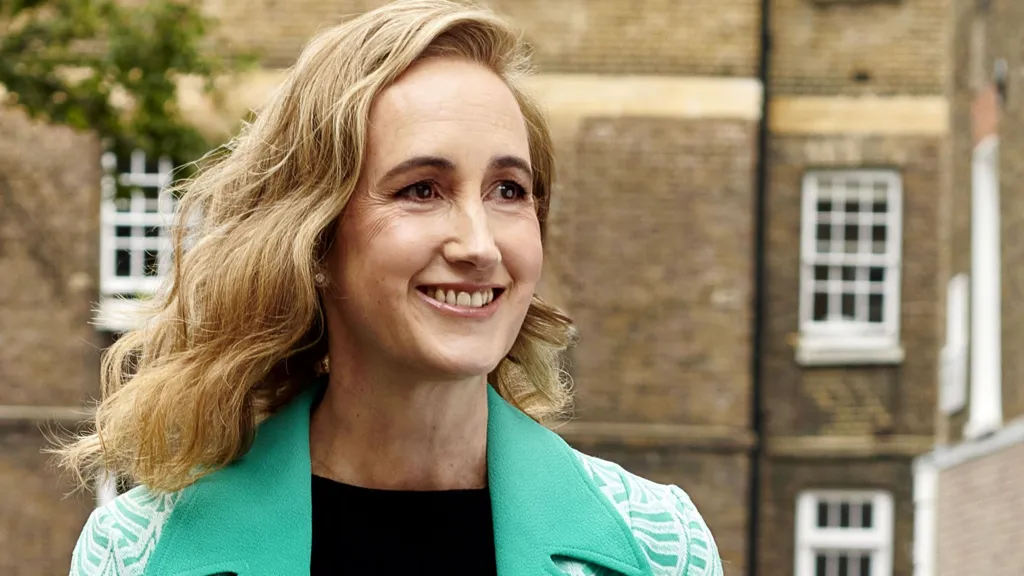
Sophie Kinsella — born Madeleine Wickham and beloved worldwide for Confessions of a Shopaholic — has died at age 55 after a battle with glioblastoma, her family announced.
Her passing marks the end of a career that blended sharp comic timing with genuine empathy, producing bestselling novels read by millions.
The basic facts — what the family confirmed
Kinsella’s family posted an announcement on her verified social channels saying she died peacefully, surrounded by family.
She had publicly revealed an aggressive brain tumour diagnosis last year and had written about her experience in a 2024 piece.
Cause of death explained: glioblastoma
The reported cause of death is glioblastoma, an aggressive and hard-to-treat form of brain cancer.
Clinically, glioblastoma is known for rapid progression and limited curative options, which explains the relatively short clinical window from diagnosis to decline.
Kinsella delayed a public announcement of her illness until 2024 so her children could adjust in private — a decision her family later described as personal and protective.
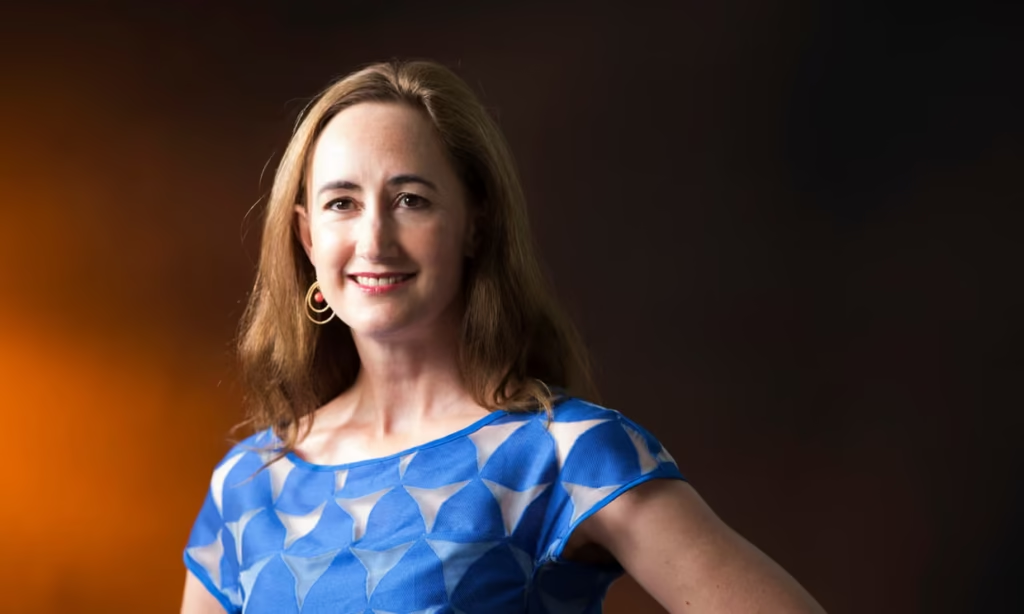
A brief career retrospective (Madeleine Wickham → Sophie Kinsella)
Born Madeleine Sophie Townley and later publishing as Madeleine Wickham, she adopted Sophie Kinsella for the lighter, comic fiction that made her a household name.
Her breakthrough came with The Secret Dreamworld of a Shopaholic (U.K. title) — retitled Confessions of a Shopaholic in some markets — which introduced Becky Bloomwood and launched a multi-book series and a 2009 film adaptation.
Over a three-decade career she published dozens of novels spanning adult, YA and children’s fiction, selling tens of millions of copies worldwide.
Why readers loved Becky Bloomwood and the Shopaholic books
Kinsella’s Becky Bloomwood combined self-deprecating humour with a vulnerability that made her instantly relatable.
The books mixed comic set pieces with sharp observations about consumer culture, relationships and the pressures on modern women.
That tone — witty but humane — is the main reason Kinsella’s books crossed borders and generations.
Her characters often solved real emotional problems even as they tripped over comedic obstacles, a balance critics and readers praised.
The public illness narrative and What Does It Feel Like?
Kinsella wrote candidly about her experience with cancer in a short 2024 piece that many readers noted for its honesty and warmth.
That writing offered a different facet of her voice: less comic set-piece, more reflective and immediate, and readers responded to its courage and clarity.
The public sharing helped shape later tributes that emphasise both her professional craft and personal resilience.
Reactions from the literary world and readers
Tributes poured in from fellow authors, publishers and readers, many highlighting Kinsella’s generosity as a mentor and her knack for writing characters who felt like friends.
Industry figures noted her role in popularising contemporary romantic comedy and in opening doors for women writers in commercial fiction.
Fans posted memories of first discovering Becky Bloomwood and how those books had been a comforting constant in difficult times.
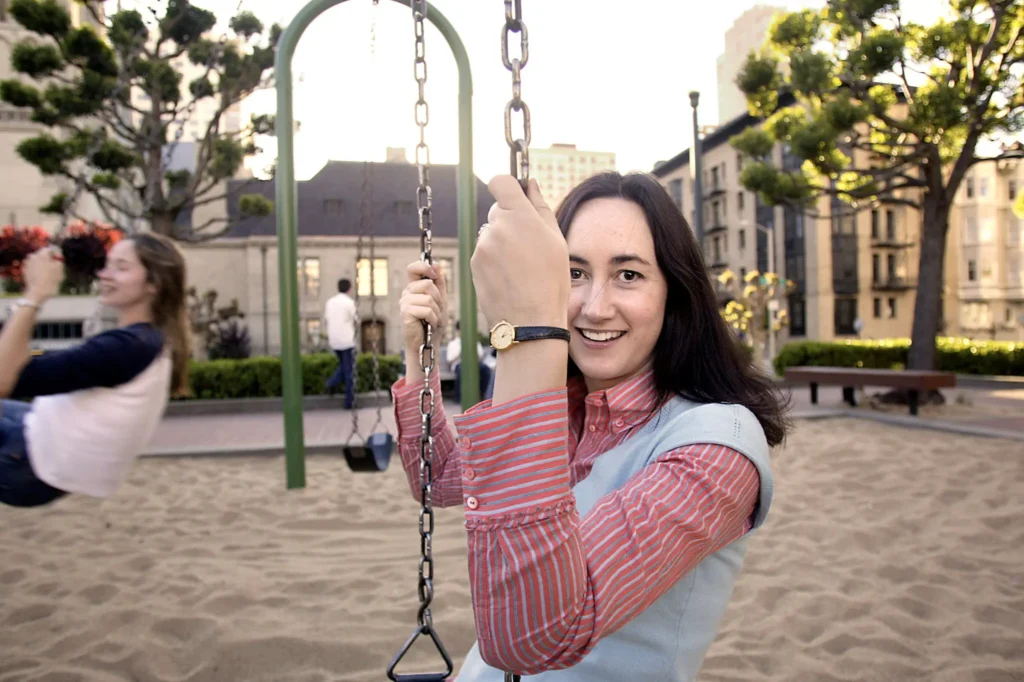
What this means for her back catalogue and future readers
Kinsella’s books are likely to see renewed attention in the short term as readers revisit the Shopaholic novels, her standalones, and her YA work.
Publishers typically respond to an author’s death with commemorative editions, reprints and curated collections — steps that both honour the writer and help new readers discover her work.
Libraries, book clubs and retailers often create reading lists that contextualise an author’s career, and Kinsella’s accessible, character-driven fiction is well-suited to that format.
Expect discussions about the social themes in her work — consumerism, parenting, and female friendship — to resurface as part of her legacy.
For readers coping with the news — a short guide
If Kinsella’s books were meaningful to you, permit yourself to grieve; readers develop emotional ties to authors in ways that are real and valid.
Revisit a favourite passage, share the book with a friend, or consider contributing to a literacy or brain-tumour charity in her memory.
Public statements from family emphasise private mourning; respect for that privacy is the appropriate response even as public tributes multiply.
Quick FAQ — short answers to the common questions
Q: How did Sophie Kinsella die?
A: The family confirmed she died of glioblastoma, an aggressive brain tumour.
Q: Was Sophie Kinsella the same person as Madeleine Wickham?
A: Yes — Madeleine Wickham wrote both under her birth name and the pen name Sophie Kinsella.
Q: Which book should a new reader start with?
A: Confessions of a Shopaholic remains the most famous entry point, but her standalones like Can You Keep a Secret? also showcase her style.
Which Sophie Kinsella book first drew you in?
How we reported this
This article synthesises contemporaneous obituaries and family statements from major outlets and charitable organisations that track brain-tumour research.
Disclaimer: This article summarises public reporting and family statements available at the time of publication for informational purposes.
It is not a medical source; for clinical information on glioblastoma consult licensed medical professionals or trusted health organisations.