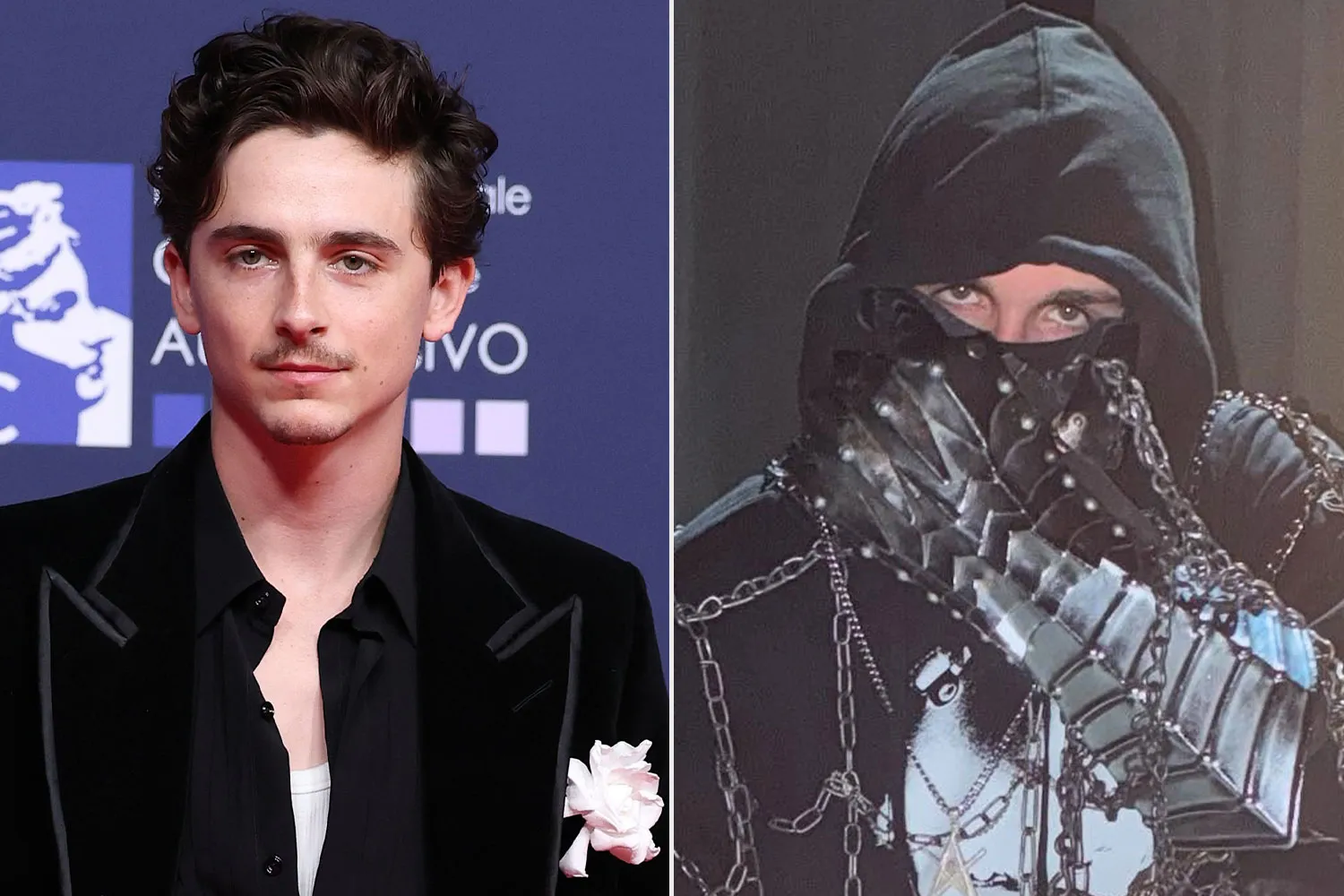
An online swirl has linked actor Timothée Chalamet to the masked Liverpool rapper EsDeeKid, and the story—part sleuthing, part meme—has become one of December’s biggest pop-culture rabbit holes.
This article separates what’s verified from what’s conjecture, explains why the theory spread, and walks readers through the evidence and the gaps.
Short answers up front: Timothée Chalamet has been asked about the rumor and gave a coy response; EsDeeKid is a real, anonymous UK rapper with hit songs; and no authoritative source has confirmed they’re the same person.
Below you’ll find background on EsDeeKid’s music, why people suspect Chalamet, what the actor actually said, and a practical checklist if you want to evaluate the claims yourself.
Who is EsDeeKid — the basics
EsDeeKid is a masked rapper from Liverpool who emerged rapidly in 2024–25 with viral singles and the short, high-energy debut album Rebel.
Critics have noted his Scouse accent, raw delivery and anthemic tracks that helped him amass millions of monthly listeners.
His persona is deliberately anonymous: videos and appearances emphasize balaclavas, bandanas and obscured faces, which fuels discussion about identity.
Key tracks cited by sleuths include “Phantom” and “4 Raws,” both widely available on streaming services and lyric sites.
What people noticed that sparked the rumor
Internet sleuths pointed to visual and performative similarities—shared scarf styles, a certain jawline silhouette in promo clips, and a theatrical stage presence—and amplified the theory on TikTok and Reddit.
Platforms like Reddit show threads comparing vocal clips, social sightings and timing coincidences; those crowd-driven threads tend to escalate quickly.
Another driver: Chalamet’s past flirtations with rap (school-era performances and comedic sketches) and his spontaneous interest in underground music make the notion feel superficially plausible to some fans.
Still, plausibility among fans is not evidence—online comparisons can be misleading and are often amplified by pattern-seeking.
What Timothée Chalamet actually said
When directly asked in a recent radio interview about being EsDeeKid, Chalamet responded evasively: “I got no comment,” adding, ambiguously, “All will be revealed in due time.”
That coy line has been played as fuel for both believers and sceptics; it is not a confirmation.
Responsible reporting treats that exchange as a public remark that stokes speculation—nothing more. Actors frequently use teasing answers to maintain mystique or humour.
Until a clear, verified admission arrives from Chalamet, EsDeeKid, or an authoritative intermediary, the claim remains unproven.
Musical evidence: songs, accent and studio details
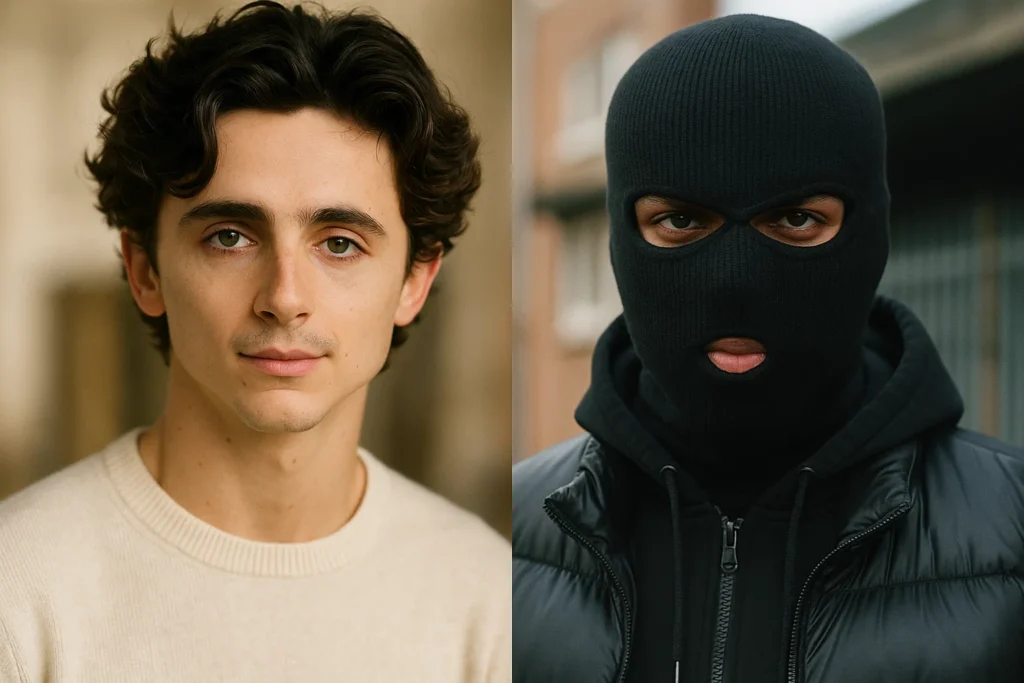
EsDeeKid’s songs (“Phantom,” “4 Raws,” and others) display a distinctly Liverpudlian pronunciation, slang and cadence that many regional listeners identify as Scouse.
Music critics and outlets have emphasised that regional accent as a core part of EsDeeKid’s sonic identity—an important point when assessing identity claims.
Audio-forensic comparisons circulated online are anecdotal and not the same as authenticated studio records.
Music metadata, recording credits and label filings are the reliable sources for studio attribution; none of those publicly confirm a link to Chalamet.
Why celebrity-identity conspiracy stories spread so fast
The internet rewards pattern recognition and viral twists—anonymity plus a famous face equals virality.
When a masked musician breaks through, fans often fill the gap with theories; the social-media economy then monetises clicks and speculation.
Confirmation bias and selective listening (hearing similarities you expect to hear) are common pitfalls; they make crowd-sourced audio comparisons persuasive but fragile.
Good verification requires corroborating documents—studio records, legal filings, a public statement or photographic proof—not just similarities.
The Guardian, Pitchfork and other outlets weigh in
Serious outlets have reported the phenomenon as a cultural story—why the rumor matters to fandom dynamics—rather than as a factual claim that Chalamet is EsDeeKid.
Pitchfork and other music outlets contextualised EsDeeKid’s rise musically, while mainstream press noted the rumor as an internet sensation, not as established fact.
That framing—profile plus skepticism—is the responsible way for newsrooms to cover identity rumors: document the buzz, show the evidence, and clearly label what is unverified.
Readers should treat sensational social claims cautiously until primary-source verification emerges.
Checklist: how to assess the rumor yourself
- Look for primary confirmation: direct statements from Chalamet, EsDeeKid or the artist’s label—those are decisive.
- Check recording credits and label releases on official streaming pages and physical credits; metadata can contradict speculation.
- Beware bite-sized comparisons on social clips—audio can be pitched, EQ’d or context-shifted to sound similar.
- Read reputable music coverage (Pitchfork, major newspapers) for analysis of voice, accent and scene context rather than viral posts alone.
Cultural notes: why the mystery appeals
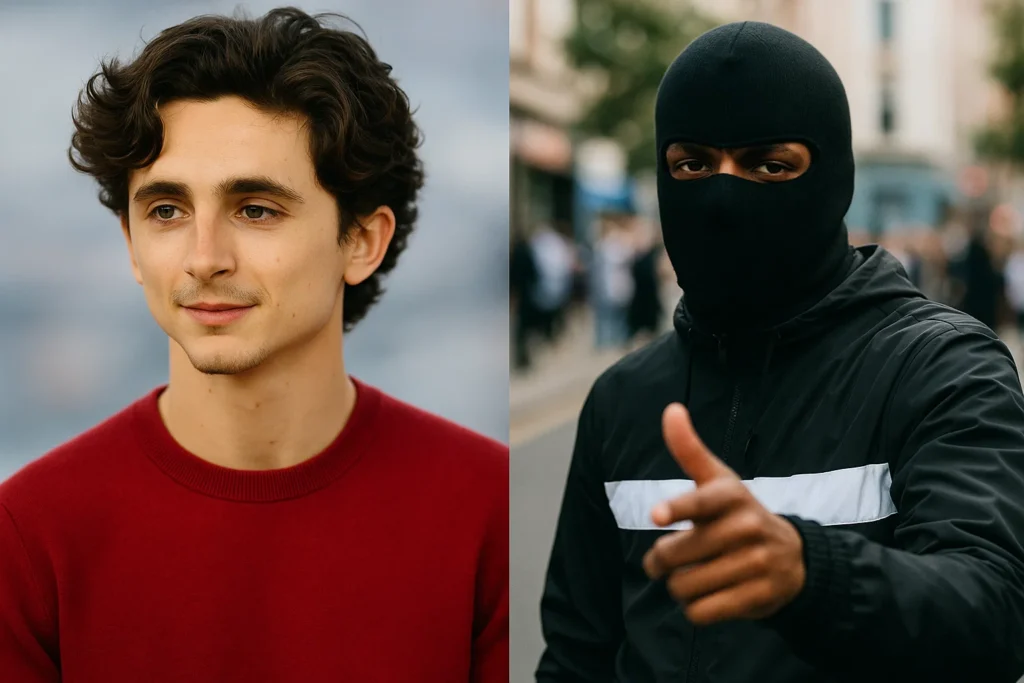
People enjoy the thrill of “unmasking” a celebrity. The narrative of Hollywood glamour secretly moonlighting in underground culture is inherently compelling.
That human appetite for surprise is why these stories gain traction even when evidence is thin.
For EsDeeKid, the mystique is the act: anonymous musicians often create art that invites identification games—sometimes intentionally to protect privacy or to generate buzz.
The ethical line is clear: speculation is fine, but asserting identity without proof risks misattribution and harm.
What would count as definitive proof
A verified label credit naming Timothée Chalamet, a public confirmation from EsDeeKid, or authenticated studio documents would resolve the question.
Otherwise, keep the claim in the “unverified rumor” category—fun to discuss, but not factual reporting.
Do you think Timothée Chalamet is secretly EsDeeKid?
Bottom line
The Timothée–EsDeeKid story is a modern folklore case: strong social-media momentum plus some suggestive parallels, but no verified proof.
Chalamet’s coy reply—“no comment” and “All will be revealed in due time”—keeps the mystery alive, but responsible readers should maintain skepticism until primary evidence appears.
Disclaimer: This article summarises public reporting and internet discussion as of the update date.
It does not assert the identity of EsDeeKid and is not intended to defame; for definitive confirmation await direct statements from involved parties or authenticated official records.