By Staff Reporter | Trenbuzz.com | April 2, 2026 | 6 Min Read
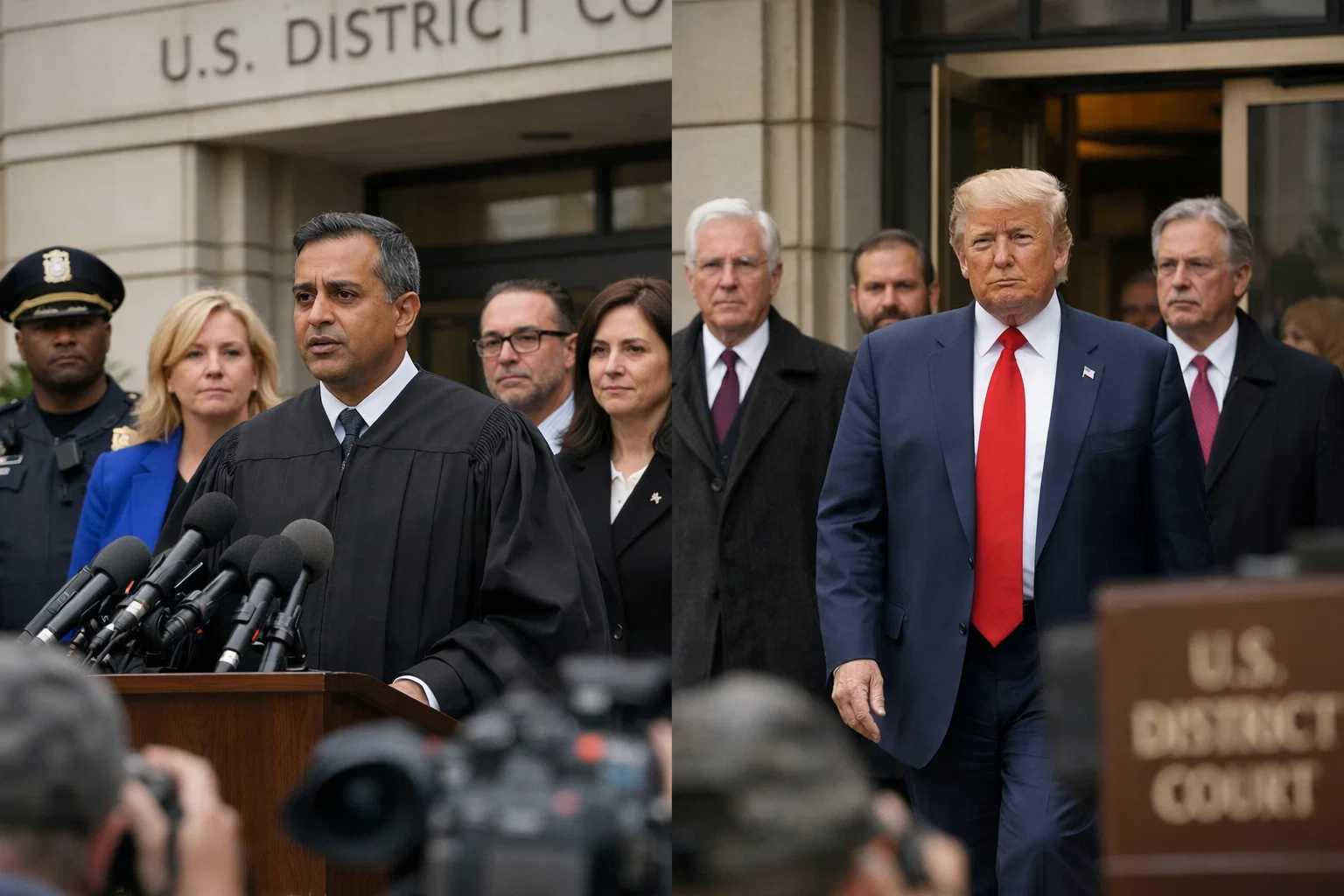
A federal judge has just handed down one of the most consequential legal decisions tied to January 6 — and it’s a direct hit to Trump’s immunity shield.
Key Points
- U.S. District Judge Amit Mehta ruled on Tuesday, April 1, 2026, that President Donald Trump is not immune from civil claims that his “Stop the Steal” rally speech incited the January 6, 2021, Capitol attack.
- The judge found Trump’s Ellipse speech “plausibly” constituted incitement and is not protected by the First Amendment or presidential immunity doctrine.
- The ruling also covers many of Trump’s social media posts on January 6 and his phone call to Georgia Secretary of State Brad Raffensperger, asking him to “find” votes.
- Trump can still assert official-acts immunity as a defense at trial — but the burden of proof will be higher.
- The civil lawsuit was brought by Democratic lawmakers and Capitol Police officers. The ACLU is also supporting the plaintiffs.
- The ruling sets the stage for a potential civil trial in the same federal courthouse where Trump once faced criminal charges for his Jan. 6 conduct — before his 2024 re-election ended that prosecution.
Five Years Later, the Legal Battle Over January 6 Isn’t Over
Most Americans assumed the legal fallout from January 6, 2021 had wound down after Trump’s criminal case collapsed following his return to the White House. But courts don’t always move on presidential timelines — and on Tuesday, a significant piece of unfinished business landed squarely on the sitting president’s desk.
U.S. District Judge Amit Mehta issued a sweeping 79-page ruling finding that Donald Trump is not shielded from civil liability for what he said on the Ellipse on January 6, 2021. The case — one of the last unresolved legal battles stemming from the Capitol riot — was brought by Democratic members of Congress and Capitol Police officers who were on the front lines that day.
The ruling is being called a landmark moment in the long and winding legal fight over presidential accountability. And it’s far from over.
What Judge Mehta Actually Said — And What It Means
Let’s cut through the legal language and break it down plainly.
Judge Mehta ruled that Trump’s remarks at the “Stop the Steal” rally — held at the Ellipse near the White House just hours before rioters breached the Capitol — “plausibly” crossed the line from political speech into incitement. The judge found those words do not fall under the protection of either the First Amendment or the presidential immunity doctrine established by the Supreme Court in 2024.
The judge’s language was direct: “The content of the Ellipse Speech confirms that it is not covered by official-acts immunity.”
Trump ended his rally speech by saying, “We fight. We fight like hell and if you don’t fight like hell, you’re not going to have a country anymore.” Mehta found this and other remarks to be potentially inciting language — language tied not to Trump’s presidential duties but to his role as a candidate fighting to stay in power.
“President Trump has not shown that the Speech reasonably can be understood as falling within the outer perimeter of his Presidential duties,” Mehta wrote.
The Georgia Phone Call Is Back in the Spotlight Too
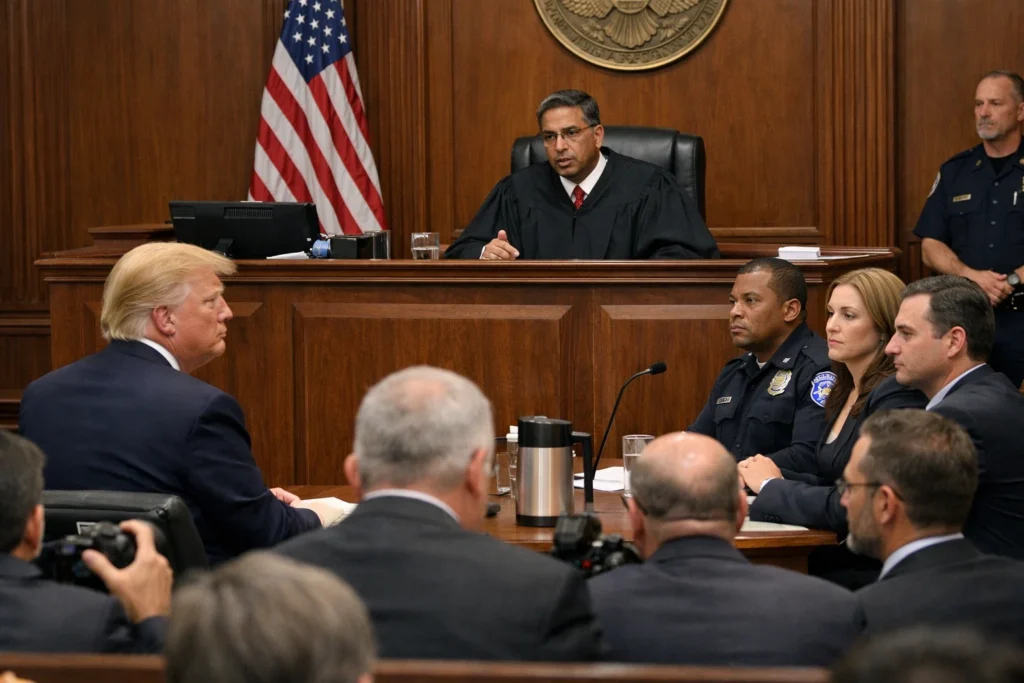
The ruling doesn’t stop at the Ellipse speech. Judge Mehta also found that Trump’s January 2, 2021 phone call to Georgia Secretary of State Brad Raffensperger — in which Trump pressured him to “find” 11,780 votes — was clearly “an effort to alter the outcome of Georgia’s election.” That call, the judge ruled, falls outside the scope of presidential immunity as well.
This is significant. It means the civil case against Trump now encompasses not just what he said in public to the crowd, but what he did privately behind the scenes in the weeks leading up to the attack — including coordination tied to campaign officials, not the White House.
Court documents revealed that nearly all the key organizers of the January 6 rally were former campaign officials, paid staff, or consultants — not government employees acting in an official capacity. In fact, on January 4, Trump met with rally production advisor Katrina Pierson at the White House just two days before the event. Mehta cited this as evidence the rally was a campaign operation, not an official presidential function.
Trump’s Legal Team Fires Back
Trump’s lawyers pushed back hard on the ruling, releasing a statement defending his actions that day.
“The facts show that on January 6, 2021, President Trump was acting on behalf of the American people, carrying out his official duties as President of the United States,” the statement read. “President Trump will continue to fight back against the Democrat Witch Hoaxes and keep delivering historic results for the American People.”
The White House has not commented directly, and an appeal is widely expected. Mehta himself acknowledged as much, noting that Trump remains free to reassert official-acts immunity as a formal defense when the case proceeds to trial — but the burden of proof will rest on Trump’s legal team, and it will be a high bar to clear.
What Happens Next (Trump Not Immune From Civil Claims)
This ruling doesn’t mean Trump is going to prison or paying damages tomorrow. What it means is the case moves forward — toward discovery, pre-trial motions, and potentially a jury trial in the very same federal courthouse in Washington D.C. where Trump was once indicted on criminal charges by Special Counsel Jack Smith.
The plaintiffs’ attorney Bakari Sellers was measured but firm: “We’re very pleased that the court recognized that President Trump cannot avoid accountability for his conduct on Jan. 6, 2021. This decision, if it holds up, is going to pave the way to a trial in federal district court on these claims.”
Rep. Eric Swalwell (D-Calif.), one of the plaintiffs in the case, was blunter: “Donald Trump thinks he can get away with murder. This lawsuit is long overdue for his hand in the destruction of our Capitol and the attack on our democracy on January 6.”
Whether or not this case ever reaches a verdict, it sends a message that no matter who sits in the Oval Office, the courts — at least some of them — are still willing to ask hard questions about what happened on that January afternoon five years ago.
Quick Reference: What Is and Isn’t Protected
| Action | Covered by Immunity? |
|---|---|
| Ellipse “Stop the Steal” speech | ❌ No — Not a presidential act |
| Social media posts on Jan. 6 | ❌ No — Campaign behavior |
| Georgia “find the votes” call | ❌ No — Election interference |
| Rose Garden remarks during riot | ✅ Yes — Official presidential act |
| DOJ interactions that day | ✅ Yes — Core presidential duties |
| Reasserting immunity at trial | ✅ Allowed — But higher burden of proof |
Disclaimer: This article is based on verified reporting from the Associated Press, The Hill, PBS NewsHour, Euronews, and UPI as of April 1–2, 2026. All quotes are sourced from official court documents and official statements.