By TrenBuzz — Special report
Key points
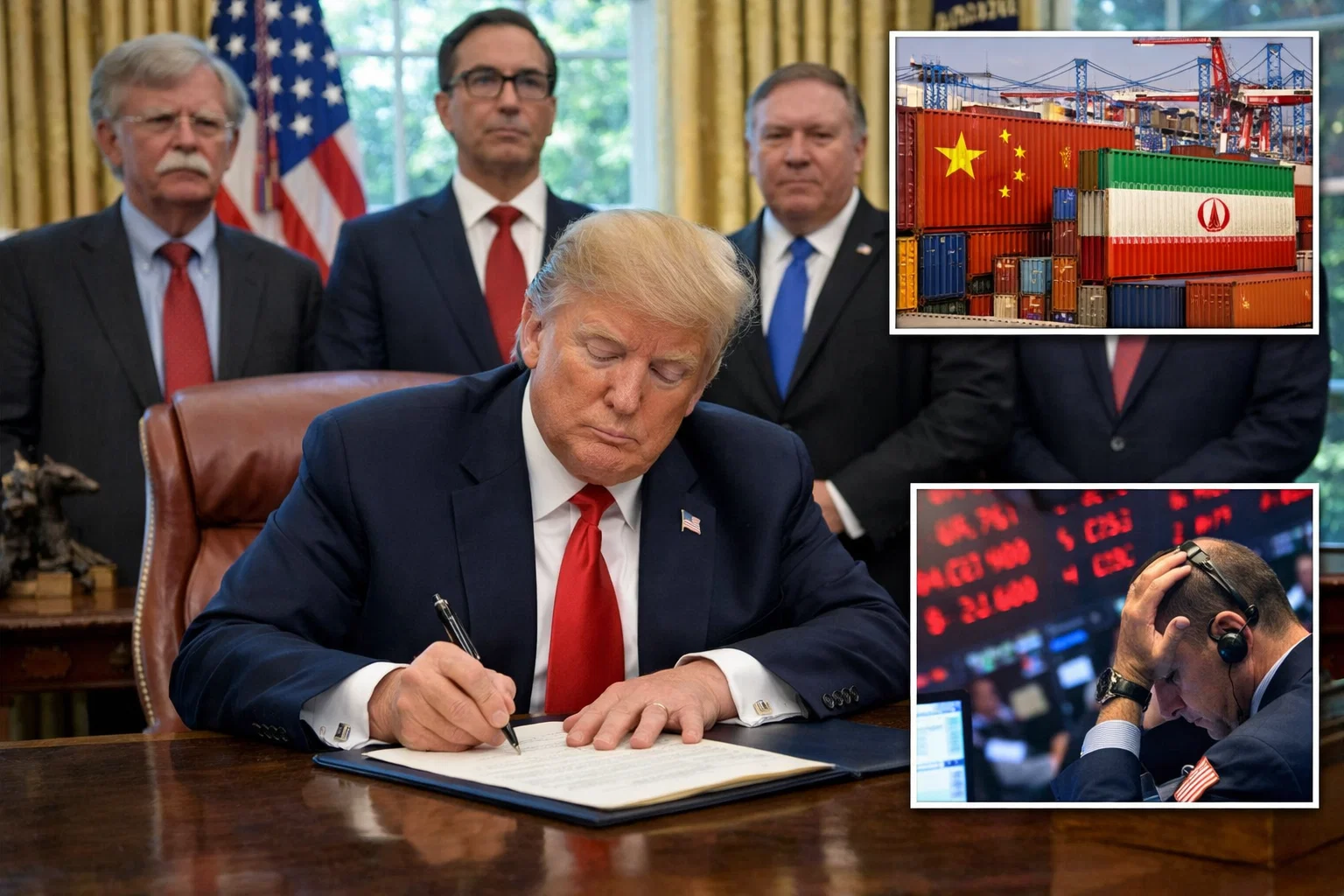
- President Donald Trump signed an executive order that threatens to impose a 25% tariff on goods from countries that continue to do business with Iran — a sharp escalation in U.S. economic pressure aimed at isolating Tehran.
- The announcement follows earlier public threats and social-media posts by the president; legal and constitutional questions about the authority to impose such secondary tariffs are already drawing scrutiny and may prompt court challenges.
- Major trading partners — notably China, India, Turkey, the UAE and others — would be most exposed, and some have publicly warned of retaliation or called the move illegal. Markets and supply chains could be disrupted if tariffs are implemented.
- Policy watchers say this measure mixes national-security tools with blunt economic coercion; its real effect will depend on how the administration defines “doing business” with Iran and how the Secretary of State and Treasury implement the order.
Trump signs executive order— what happened and why it matters
President Trump has signed an executive order authorizing up to a 25% tariff on imports from any country that does business with Iran. The move is intended to squeeze Tehran economically by making trade with Iran more costly — but it also risks widening trade wars, provoking diplomatic retaliation, and triggering legal challenges about presidential power to impose such broad “secondary” tariffs. The signals are immediate: governments that trade with Iran now face a stark choice between the U.S. market and continuity with Tehran.
The order in plain language
- What it does: The executive order directs U.S. trade and national-security agencies to prepare to impose an additional 25% duty on imports from any jurisdiction the administration determines is “doing business” with Iran. The White House says the tariff is meant to deter countries from supporting Iran’s economy while Tehran faces intense domestic unrest and international pressure.
- What it doesn’t yet do: Announcing an order is not the same as immediately collecting duties — implementation requires regulatory steps, a legal basis (often argued under emergency statutes such as IEEPA or trade laws), and interagency coordination to identify targeted goods and countries. That implementation window is where diplomats and courts will fight.
Legal and procedural questions
- Presidential authority: The U.S. has tools (the International Emergency Economic Powers Act and other statutes) that have been used for secondary sanctions before, but using an across-the-board 25% tariff on countries raises unsettled constitutional and statutory questions. Legal observers expect rapid litigation.
- Definitional problems: How does the administration define “doing business” with Iran — direct oil purchases, humanitarian trade, intermediary transactions, or even third-party financing? The scope will determine diplomatic fallout.
- WTO and international law: Tariffs of this sort will almost certainly be challenged at the World Trade Organization and in bilateral disputes; affected countries may claim violations of trade agreements or of customary international norms.
International reaction — flashpoints to watch
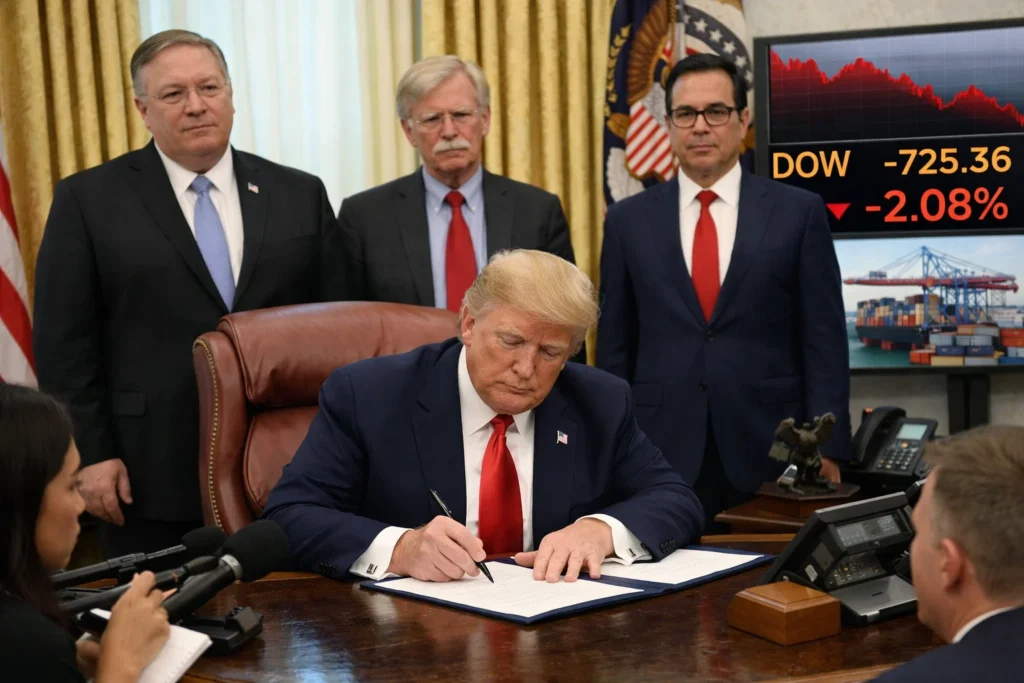
- China: Beijing is Iran’s largest trading partner and has already warned of “necessary countermeasures.” Any U.S. tariff that hits Chinese goods will deepen the friction between the world’s two largest economies.
- India, Turkey, UAE and others: These economies maintain trade ties to Iran (energy, petrochemicals, and other goods). Officials in affected capitals will weigh economic pain against diplomatic and security calculations — and may push back through trade or diplomatic channels.
- Allies and partners: Even U.S. allies with limited Iran trade will be watching legal details closely; sudden tariffs create unpredictability for supply chains and investment decisions.
Economic and market effects (short and medium term)
- Trade disruption: A 25% tariff raises the price of imported goods for U.S. businesses and consumers and can provoke retaliation — meaning higher costs, inventory re-routing, and volatility in trade-dependent sectors.
- Energy markets: If the order chills oil flows from Iran or complicates shipments through intermediaries, oil price volatility could spike, with knock-on inflation effects. Major buyers that source Iranian oil indirectly will be under pressure.
- Investor reaction: Markets hate uncertainty. Currency swings, bond yields and equity risk premiums can jump while traders price diplomatic fallout and the odds of broader trade conflict.
Practical implications for businesses and governments
- Private-sector checklist: Companies that import goods from likely-affected countries should map exposure, review contracts for force-majeure and tariff clauses, and consider temporary hedges or alternative sourcing. Logistics teams should pre-identify alternate suppliers.
- Government options: Affected governments can pursue diplomatic negotiation, appeal to the WTO, prepare retaliatory tariffs, or seek carve-outs for humanitarian trade. Multilateral coordination (EU, ASEAN, others) could blunt Washington’s pressure.
Political calculus — why the White House did this now
Officials in Washington frame the order as part of a campaign to increase pressure on Tehran during a period of domestic unrest in Iran; they argue that broad penalties will force countries to choose between business with Iran and access to the U.S. market. Critics reply that unilateral economic coercion risks alienating allies and overreaches executive power. The timing — amid ongoing diplomatic talks and with some U.S. partners still buying Iranian oil indirectly — magnifies the stakes.
What happens next — an action timeline
- Regulatory drafting: Treasury, Commerce and State will write implementing rules and identify goods/countries. That process can take weeks and offers a window for diplomacy.
- Legal suits and WTO filings: Expect affected countries and trade groups to file fast legal challenges in U.S. courts and to prepare WTO complaints. Litigation could delay or block enforcement.
- Diplomatic responses: Early phone calls and emergency meetings — especially with China, India and Gulf partners — will determine whether carve-outs or de-escalation are possible.
Bottom line
The executive order is a high-stakes attempt to weaponize U.S. market access against Iran’s international partners. Its effectiveness depends on legal defensibility, definitional clarity, and how far affected countries are willing to push back — diplomatically, legally and economically. If implemented, the order would reshape short-term trade calculations and deepen geopolitical fractures; if blocked by courts or diluted by diplomacy, it may remain mainly a political signal. Either way, companies, traders and foreign capitals should treat the next few weeks as critical for contingency planning.