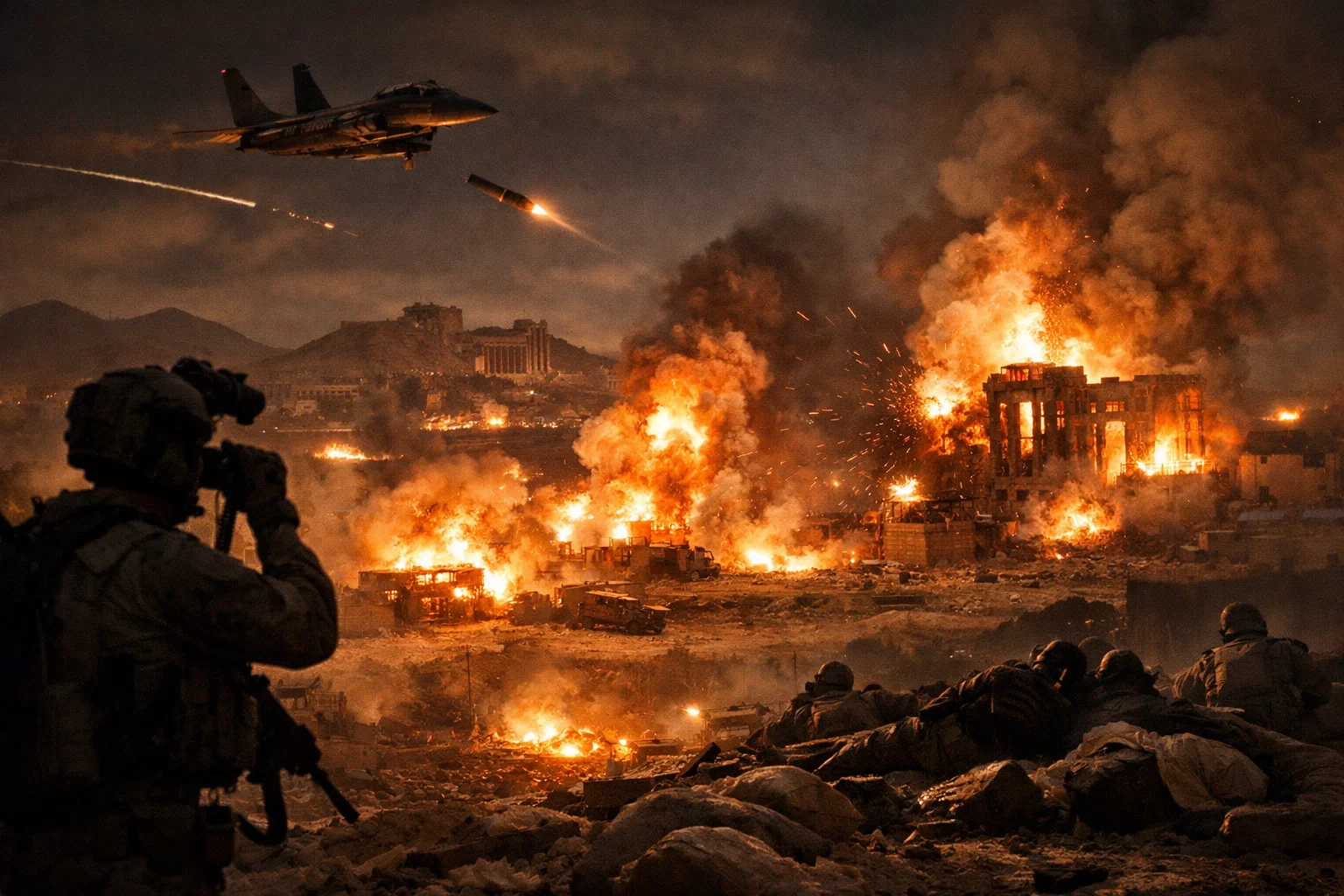
Key points
- U.S. forces carried out a series of airstrikes in Syria between 3–12 February 2026, striking more than 30 ISIS targets as part of an ongoing campaign named Operation Hawkeye Strike. U.S. Central Command
- The strikes were launched in retaliation for a December ambush near Palmyra that killed two U.S. service members and an American interpreter — and to sustain pressure on remnants of the Islamic State. Palmyra Islamic State
- CENTCOM says the operations targeted command-and-control, weapons depots and logistics nodes and resulted in militants killed or captured; independent monitors and humanitarian groups warn of civilian risk and the need for verification on casualties.
USA strikes ISIS in Syria — short timeline
Between 3 and 12 February 2026, U.S. forces carried out ten airstrikes across central and eastern Syria that CENTCOM says hit more than 30 ISIS infrastructure sites — including weapons storage, logistics nodes and communication hubs. The strikes form part of an expanded response that began after a deadly ambush on December 13, 2025, near Palmyra, which U.S. officials say killed two soldiers and an interpreter. CENTCOM described the sequence of strikes as “sustaining relentless military pressure” on ISIS remnants.
Why the U.S. acted now
The immediate trigger was the December ambush that prompted a larger retaliation campaign. U.S. officials have stated two operational goals: (1) disrupt ISIS command-and-control and weapons caches that enable attacks, and (2) degrade the group’s ability to plan and execute future ambushes against U.S. and partner forces. The campaign has been carried out with precision munitions and a mix of manned and unmanned platforms, according to military releases.
What CENTCOM says (official line)
CENTCOM’s press material describes the strikes as targeted, intelligence-driven, and aimed at military infrastructure used by ISIS. The command reported that recent operations have killed or captured dozens of suspected militants and destroyed weapons and logistics facilities — a message intended to show continued U.S. commitment to counter-terrorism missions in the region.
Independent and regional perspectives
International media outlets and local monitors confirm U.S. strikes occurred, while cautioning that casualty counts and secondary effects can be hard to verify in the short term. Human-rights and humanitarian organizations routinely stress the need for independent verification of civilian harm and for safe access to affected areas to assess damage and displacement. State-run Syrian outlets also publish official accounts that emphasize sovereignty and civilian impacts — these accounts sometimes diverge sharply from U.S. statements, so cross-checking multiple reputable sources is essential.
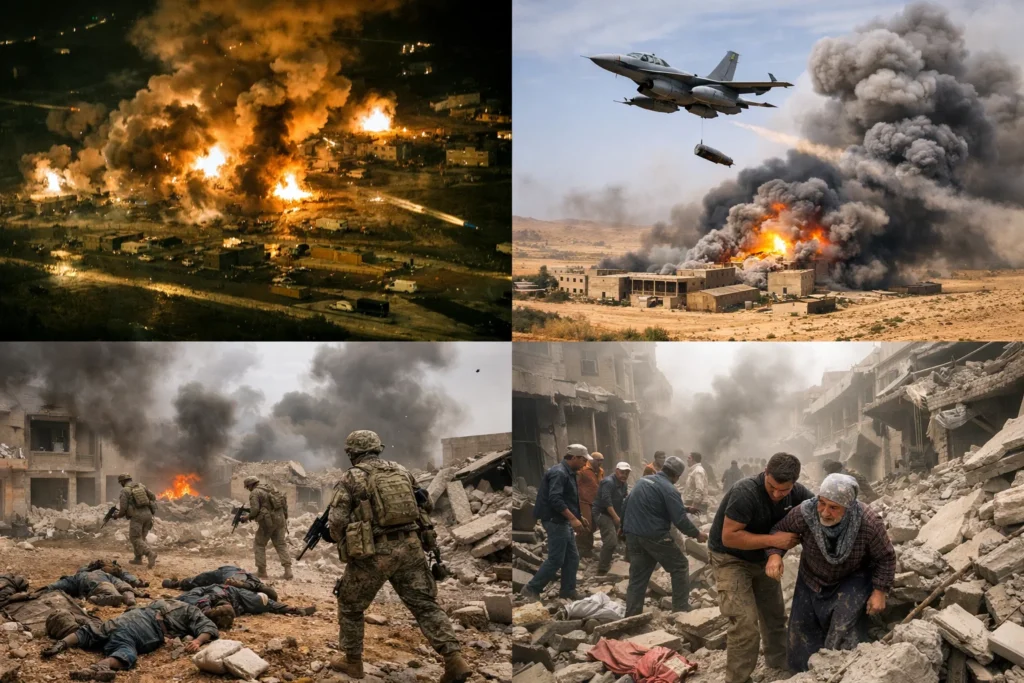
What this means on the ground
- For ISIS remnants: The strikes aim to degrade planning nodes and logistics, making large-scale or coordinated attacks harder. CENTCOM says pressure will continue.
- For local civilians: Air campaigns risk displacement and collateral damage, especially where armed groups and population centers are intermingled. Humanitarian organizations call for transparency, civilian-protection measures and rapid post-strike assessments.
- For regional politics: The strikes occur amid shifting local control and broader regional maneuvering; some states may publicly welcome counter-ISIS action while privately urging de-escalation and respect for sovereignty.
Quick Q&A — what readers usually want to know
Q: Were U.S. troops on the ground?
A: The reported operations were primarily air and stand-off strikes directed by CENTCOM and supported by intelligence; U.S. partners in the region have also conducted parallel operations. CENTCOM and local partners coordinate such missions.
Q: How many ISIS fighters were killed?
A: CENTCOM reported that dozens of suspected militants were killed or captured during the recent campaign; independent verification takes time and relies on multiple sources. Expect numbers to be updated as assessments continue.
Q: Is this part of a wider war?
A: These strikes are a component of the ongoing counter-ISIS campaign that has continued in various forms since 2014. This recent surge — called Operation Hawkeye Strike in some reports — is framed as retaliation and suppression rather than a full-scale new war.
Responsible reporting note & sources
This article summarizes official CENTCOM releases and reporting by major wire services and international press. Because the security situation and casualty counts can change quickly, readers should treat early figures as provisional and rely on multiple reputable sources for confirmation. Primary sources used for this article include CENTCOM press releases and reporting by AP, The Guardian, CBS and defense outlets.
Disclaimer: This post is informational and not a substitute for official statements or legal/foreign-policy advice. For safety-critical guidance (travel, evacuation, family safety), consult government advisories and local authorities.