Published by TrenBuzz.com | May 25, 2026
Key Points at a Glance – Boston’s Cuban Americans Are Torn Apart by Trump’s Cuba Escalation
- Federal prosecutors indicted former Cuban president Raúl Castro on May 22, 2026 — for his alleged role in the 1996 shootdown of two civilian planes.
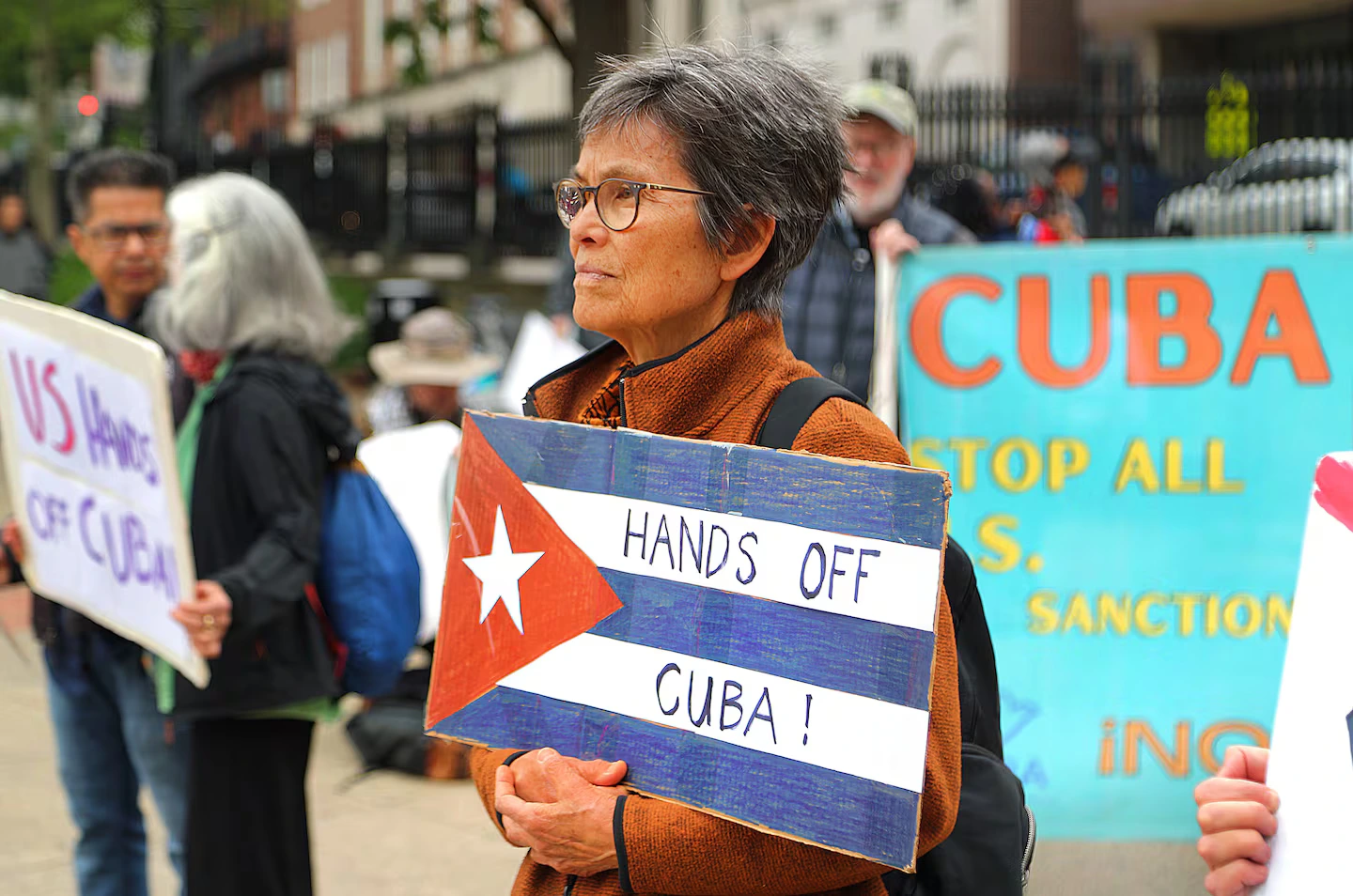
- Boston’s Cuban diaspora is sharply divided — between those celebrating the crackdown and those worried it will worsen suffering on the island.
- Cuba faces rolling blackouts lasting up to 22 hours, deepening food shortages, and an oil blockade that has left hospitals struggling.
- A 78-year-old Boston professor who fled Havana in 1961 said simply: “The time has come — it has to stop.”
- Others worry it’s impossible to separate US sanctions damage from the Cuban government’s own failures.
- Boston’s Cuban community spans first-generation exiles who support maximum pressure and younger diaspora members who fear for family still on the island.
She’s been living in Boston for over six decades. She left behind a Havana she loved and a system she despised. When news broke this week that Raúl Castro had been indicted by US federal prosecutors, Miriam Gorriaran felt something she hadn’t felt in years.
“The whole system has been a complete failure,” said Gorriaran, 78, a retired professor who left Havana for the United States in 1961. “The time has come that it has to stop.”
The Raúl Castro Indictment — A Historic Escalation
On Wednesday, federal prosecutors announced criminal charges against former Cuban president Raúl Castro for his alleged role in the 1996 shootdown of two civilian planes operated by a Miami-based exile group. The indictment marked a major escalation in the Trump administration’s increasingly aggressive posture toward Cuba’s socialist government.
For Boston’s older Cuban exiles, the indictment represents justice they have waited 30 years to see. For others, it deepens an already dangerous standoff.
The Human Reality — Blackouts, Hunger, and Family Separated by Policy
The move comes as Cuba faces deepening economic turmoil that has left many Cuban Americans in the Boston area anxiously trying to support relatives and friends still on the island.
Families who regularly send remittances now do so knowing that money buys less every week. With electricity rationed, food scarce, and hospitals operating under emergency protocols. The people bearing the heaviest cost of US sanctions are not the regime’s leaders. They are ordinary Cubans.
A Community Torn — The Generation Divide
“I don’t think the system should remain in place,” said Ruben Salinas Stern, former director of Tufts University’s Latino Center. “But it’s very difficult to say what’s the embargo’s fault and what’s incompetence on the part of the Cuban government.”
Across New England, members of the Cuban diaspora are grappling with how to separate the effects of decades of US sanctions from the Cuban government’s own political repression and economic mismanagement.
The older generation overwhelmingly supports Trump’s Cuba strategy. Many younger Cuban Americans, with family still living through the blackouts, are far less certain that maximum pressure will bring the change the island needs — without first causing unbearable suffering.
The fight over Cuba’s future isn’t just happening 90 miles off Florida’s coast. It’s happening in living rooms, church halls, and community centers from Boston to Miami — and this week, it got a lot more personal.
Disclaimer: This article is for general informational and news reporting purposes only. All quotes and community perspectives are sourced from The Boston Globe as of May 24, 2026. TrenBuzz.com does not represent any government, political position, or Cuban diaspora organization. Readers are encouraged to follow credible news sources for the latest developments in US-Cuba relations.